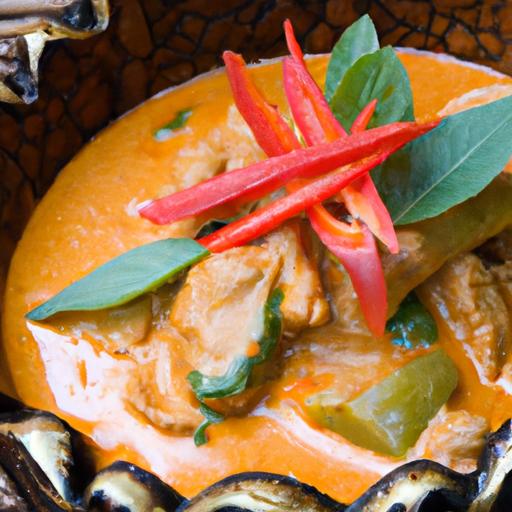

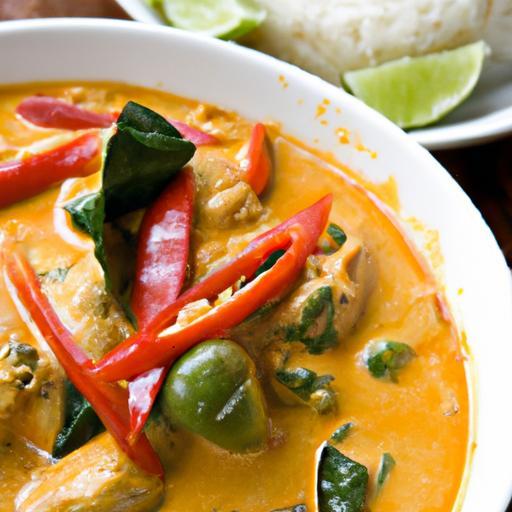
Immerse yourself in the vibrant world of Thai cuisine, where every dish tells a story of tradition, culture, and bold flavors. Among the many treasures of this culinary heritage, Thai red curry stands out as a captivating symphony of spicy, sweet, and aromatic notes. Unlocking the flavors of authentic Thai red curry delight is more than just a cooking endeavor, it’s a journey into the heart of Thailand’s rich gastronomic tapestry.
In this article, we’ll unravel the secrets behind this beloved dish, exploring its key ingredients, cooking techniques, and the cultural essence that makes every bite an unforgettable experience. Prepare to awaken your senses and bring the warmth of Thailand’s kitchens right to your table.
Discovering the Rich History Behind Thai Red Curry
Unlocking the Flavors of Authentic Thai Red Curry Delight begins with appreciating its deep rooted history that has enchanted palates for centuries. Originating in the central plains of Thailand, this vibrant curry reflects the country’s mastery of balancing bold spices with creamy textures. Inspired by indigenous ingredients and centuries old Thai royal cuisine, red curry paste was traditionally crafted from fresh herbs and sun-dried chilies, blending fiery heat and aromatic complexity. My first encounter with this dish was in a bustling Bangkok street market, where its intoxicating aroma of lemongrass, galangal, and kaffir lime captivated me instantly, this recipe invites you to recreate that sensory magic in your own kitchen.
Prep and Cook Time
- Readiness: 20 minutes
- Cooking: 25 minutes
- Total Time: 45 minutes
Yield
Serves 4 generous portions, perfect for a family dinner or sharing with friends.
Difficulty Level
Medium – Perfect for cooks eager to deepen their Thai cuisine skills.
Essential Ingredients for Crafting the Perfect Red Curry Paste
- 8 dried red chilies, soaked and deseeded
- 1 tablespoon coriander seeds, toasted
- 1 teaspoon cumin seeds, toasted
- 1 teaspoon white peppercorns, toasted
- 1 stalk lemongrass, finely sliced (white part only)
- 3 cloves garlic, peeled
- 1 shallot, peeled and chopped
- 1-inch piece galangal, peeled and sliced
- 1 teaspoon shrimp paste (optional), substitute with fermented soybean paste for vegetarian version
- 1 teaspoon salt
- 1 teaspoon Kaffir lime zest
Mastering the Balance of Spice Heat and Creamy coconut
Crafting the curry involves frying the freshly pounded paste until its fragrance blooms an indicator of depth and balance. Adding 1 can (14 oz) full-fat coconut milk gradually blends silky sweetness with the paste’s smoky heat, tempering the spice without masking it. Incorporating crisp vegetables like bamboo shoots and fresh Thai basil leaves lifts the dish with herbal freshness. Adjust the heat by tuning the quantity of dried chilies; remember, the right balance makes this curry glow on your palate rather of overpowering it.
Ingredients for the Curry
- 3 tablespoons red curry paste (homemade or store bought)
- 1 can (14 oz) full-fat coconut milk
- 300g boneless chicken thighs or firm tofu, cut into bite sized pieces
- 1 cup bamboo shoots, drained
- 1 red bell pepper, thinly sliced
- 2 teaspoons palm sugar or brown sugar
- 2 tablespoons fish sauce (use soy sauce for vegetarian/vegan option)
- Fresh Thai basil leaves for garnish
- Lime wedges, to serve
Instructions
- Prepare the red curry paste: Using a mortar and pestle or food processor, combine soaked chilies, toasted coriander, cumin, white peppercorns, lemongrass, garlic, shallot, galangal, shrimp paste (or fermented soybean paste), kaffir lime zest, and salt. Pound or pulse until a smooth, aromatic paste forms.
- Heat a large skillet or wok over medium heat. Add 1 tablespoon of coconut cream from the can, stirring until it thickens and oils begin to release, about 2-3 minutes. This step unlocks the essential oils of the spices, deepening flavor.
- Add the red curry paste and sauté, stirring continuously, for 3-4 minutes until the paste is fragrant and slightly darker.
- Pour in the remaining coconut milk and bring to a gentle simmer.
- Add chicken pieces or tofu, stirring to coat them well. Simmer for 10-12 minutes, or until chicken is cooked through or tofu is heated and infused with flavor.
- Mix in bamboo shoots and red bell pepper. Cook for another 3-5 minutes to retain their crisp texture.
- Season the curry with palm sugar and fish sauce (or soy sauce). Adjust to taste balancing salty, sweet, and spicy notes for the perfect harmony.
- Remove from heat and stir in fresh Thai basil leaves just before serving for a burst of herbal aroma.
Expert Tips for Serving and pairing Your Thai red Curry Delight
Serve your luscious red curry steaming hot alongside perfectly steamed jasmine rice to soak up every drop of the rich sauce. For an elevated presentation, garnish with additional Thai basil, thin slices of fresh red chili, and a few torn kaffir lime leaves. To balance the richness, accompany the meal with a crisp cucumber salad or a refreshing green papaya salad. Light, aromatic beers or a chilled coconut water serve as perfect drinks to complement the spicy creaminess.
Chef’s Notes
- For vegan options, substitute fish sauce with tamari or soy sauce and replace the chicken with tofu or hearty vegetables like eggplant.
- To make curry paste ahead, freeze in portions for up to 3 months freshness guaranteed with each batch.
- If you prefer milder curry, reduce the number of dried chilies or remove seeds entirely before soaking.
- Enhance flavor depth by adding a splash of tamarind paste or a squeeze of fresh lime juice at the end.
| Nutrient | Per Serving |
|---|---|
| Calories | 415 kcal |
| Protein | 28 g |
| carbohydrates | 12 g |
| Fat | 28 g |

For those curious to explore more fragrant Thai pasta recipes, check out our detailed guide on Thai Green Curry. Additionally, learn more about the cultural importance of Thai spices from Encyclopedia Britannica.
Q&A
Q&A: Unlocking the Flavors of authentic Thai Red Curry Delight
Q1: What makes Thai red curry unique compared to other curries?
A1: Thai red curry dazzles with its vibrant balance of spicy, sweet, and aromatic flavors. Unlike heavier, creamier curries, red curry combines rich coconut milk with the intense heat of red chilies, fragrant herbs like lemongrass and kaffir lime leaves, and the subtle warmth of galangal. This harmony creates a shining, complex taste that dances on the palate.
Q2: What are the key ingredients that define authentic Thai red curry?
A2: At its heart, authentic Thai red curry relies on a homemade or quality red curry paste, made from dried red chilies, garlic, shallots, lemongrass, galangal, coriander roots, and shrimp paste (or a suitable seafood based substitute for depth). Coconut milk provides the creamy base, while fresh vegetables such as eggplant and bamboo shoots add texture and vitality. Finish with Thai basil and a splash of fish sauce for that unmistakable umami punch.
Q3: Can you customize the protein in Thai red curry?
A3: Absolutely! Thai red curry is wonderfully versatile. Chicken, beef, tofu, or seafood like shrimp and fish all soak up the luscious sauce beautifully. For plant-based options, firm tofu or tempeh are excellent choices, absorbing the curry’s rich flavors while adding satisfying texture.
Q4: How do you achieve the perfect balance of heat and sweetness in red curry?
A4: The secret is layering flavors. The red curry paste brings heat, but the sweetness of coconut milk smooths the fiery notes. Adding a touch of palm sugar or brown sugar rounds out the taste, while fresh lime juice or kaffir lime leaves inject a lively citrus brightness. Tasting as you go ensures the curry hits your ideal harmony.
Q5: What cooking tips can elevate my red curry from ordinary to exceptional?
A5: Start by frying the curry paste gently in a bit of oil to release its fragrant oils before adding coconut milk. simmer slowly to marry the flavors without boiling vigorously, which can separate the coconut milk. Incorporate vegetables in stages denser ones like eggplant first, delicate ones like bell peppers later to preserve their texture. Lastly, finish with fresh herbs right before serving for an aromatic lift.
Q6: Which side dishes pair best with Thai red curry?
A6: Steamed jasmine rice is the classic companion, its fragrant grains providing a perfect canvas for soaking up the curry’s rich sauce. For added contrast, a crunchy Thai cucumber salad or a simple fresh herb platter with cilantro and Thai basil can brighten the meal wonderfully.
Q7: How can I store and reheat Thai red curry without losing its flavor?
A7: Store your red curry in an airtight container in the refrigerator for up to three days. When reheating, do so gently on the stove using low heat, stirring occasionally to prevent the coconut milk from separating. If the curry thickens too much, add a splash of water or coconut milk to restore its luscious consistency.
Q8: What’s a little known fact about the history or cultural significance of Thai red curry?
A8: Thai red curry is believed to have royal origins, named after the prominent red chilies introduced from the Americas centuries ago. It reflects Thailand’s culinary genius: adapting foreign ingredients to local tastes, layering spicy, sweet, sour, and savory elements into a dish that celebrates both history and harmony in every bite.
In Retrospect
As the rich, vibrant notes of Thai red curry linger on your palate, you begin to understand why this dish transcends mere sustenance to become a festivity of culture, tradition, and culinary artistry. Unlocking the flavors of authentic Thai red curry is more than just following a recipe, it’s an invitation to explore a harmonious blend of spicy, sweet, and savory elements that dance together in perfect balance.
Whether you’re a seasoned cook or a curious foodie, embracing this fiery, fragrant delight opens a gateway to Thailand’s heart and soul, transforming every meal into an unforgettable experience. So gather your ingredients, ignite your senses, and let the journey into the warmth of authentic Thai red curry begin.