
There’s something undeniably comforting about a warm bowl of classic tomato soup, a timeless blend of tangy tomatoes, fragrant herbs, and velvety texture that soothes the soul and ignites the senses. Whether enjoyed on a chilly afternoon or as a nostalgic reminder of childhood, this humble yet exquisite dish holds a special place in kitchens around the world.
In “Tomato Soup: The Ultimate and Delicious Guide to Crafting a Timeless Classic” we’ll journey through the secrets of selecting the ripest tomatoes, mastering the perfect simmer, and achieving that irresistible balance of flavors. Prepare to transform simple ingredients into a luscious masterpiece that’s both wholesome and unforgettable.
Selecting the finest tomatoes is the cornerstone of crafting a tomato soup that bursts with rich, vibrant flavor. Opt for ripe, in season heirloom tomatoes or Roma tomatoes, they offer a perfect balance of sweetness and acidity that transforms a simple soup into a classic delight. Look for tomatoes that feel heavy for their size, with smooth, unblemished skin, and a deep, uniform color. These tomatoes carry the natural sugars and depth which simulate sunshine in every spoonful.
Once you’ve gathered your tomatoes, mastering the art of simmering is essential to develop a deep, balanced taste. Gently cooking the tomatoes and aromatics over low heat allows the flavors to meld without the harshness of overcooking. Gradual simmering intensifies the natural sweetness while mellowing out any acidity, resulting in a velvety, luscious texture that caresses the palate.
Enhancing your tomato soup with fresh herbs and warming spices creates layers of aroma and complexity. Shining herbs like fresh basil, thyme, or oregano bring an herbaceous brightness that complements the tomatoes perfectly. A touch of smoked paprika or a hint of freshly cracked black pepper can elevate the soup with subtle depth and warmth. Incorporating garlic and a bay leaf during simmering will impart an inviting earthiness that rounds out the soup’s character.
Perfect Pairings and Serving suggestions to Elevate Your Classic Delight
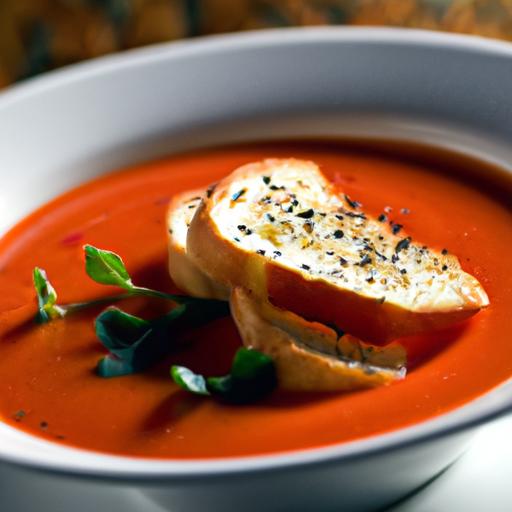
the ultimate tomato soup beckons to be served alongside comforting textures and vibrant flavors. Crunchy, golden grilled cheese sandwiches bring a buttery contrast that beautifully enhances the soup’s silky consistency. For a lighter pairing, a crisp mixed green salad with a lemon vinaigrette adds a refreshing counterpoint.
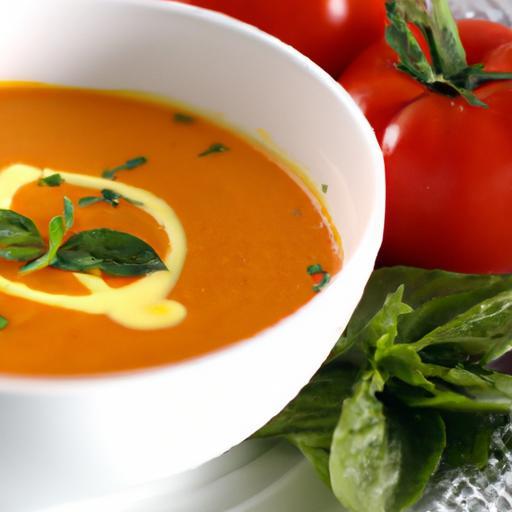
Garnish your bowl with a swirl of rich cream, a sprinkle of fresh chopped basil, or toasted pine nuts for added texture and visual appeal. A drizzle of good-quality extra virgin olive oil and a pinch of flaky sea salt can turn a simple serving into a gourmet experience. For a modern twist, add a dollop of pesto or a sprinkle of shaved Parmesan cheese, each option turning your classic tomato soup into a memorable meal.

Prep and Cook Time
- prep Time: 15 minutes
- Cook Time: 45 minutes
Yield
- Serves 4-6 generously
Difficulty Level
- Easy – Perfect for home cooks of any experience
Ingredients
- 3 lbs fresh ripe tomatoes (heirloom or Roma), quartered
- 1 large yellow onion, finely chopped
- 4 cloves garlic, minced
- 2 tbsp extra virgin olive oil
- 2 cups vegetable broth (low sodium)
- 1 tbsp tomato paste
- 1 bay leaf
- 1 tsp sugar (optional, to balance acidity)
- Fresh basil leaves (about ¼ cup, chopped)
- Salt and freshly ground black pepper, to taste
- ½ tsp smoked paprika (optional)
- Heavy cream or coconut cream (for garnish, optional)
Instructions
- Prepare the tomatoes: Wash tomatoes well, then quarter them, leaving skins on for maximum flavor and texture.
- Sauté aromatics: In a large heavy bottomed pot, heat olive oil over medium heat. Add chopped onions and sauté until translucent, about 5 minutes. Add minced garlic and cook for 1 more minute, stirring frequently to avoid burning.
- Add tomato paste and spices: Stir in the tomato paste and smoked paprika, cooking for 2 minutes to deepen their flavors.
- Add tomatoes and broth: Add the quartered tomatoes, vegetable broth, bay leaf, and sugar if using. Season with salt and pepper.
- Simmer gently: Bring to a gentle boil, then reduce heat to low. Cover and simmer for at least 30 minutes, stirring occasionally to prevent sticking. This slow simmer melds the flavors beautifully.
- Blend the soup: Remove the bay leaf. Use an immersion blender to puree the soup until smooth and velvety. Alternatively, blend in batches in a countertop blender, taking care with the hot liquid.
- Adjust seasoning: Taste and adjust salt, pepper, or sugar as needed. Stir in fresh chopped basil just before serving.
- Serve and garnish: Ladle soup into bowls and optionally drizzle with cream or coconut cream and a few torn basil leaves for a fresh finish.
Tips for Success
- Tomato variety matters: If heirlooms aren’t available, Roma tomatoes are an excellent substitute due to their concentrated flavor and low moisture content.
- For a thicker soup: Simmer uncovered for the last 10 minutes to reduce liquid.
- Make-ahead pleasant: Tomato soup flavors deepen after a day in the fridge. Reheat gently and stir in fresh herbs for brightness.
- Vegan option: Use coconut cream for garnish instead of dairy cream.
- Freeze leftovers: Tomato soup freezes well for up to 3 months. thaw overnight in the fridge before reheating.
Nutrition Facts
| Nutrient | Per Serving (1 cup) |
|---|---|
| Calories | 120 |
| Protein | 3 g |
| Carbohydrates | 20 g |
| Fat | 4 g |
For more inspiration on vegetable soups and fresh tomato recipes, explore our Fresh Vegetable Soups Collection. To deepen your understanding of tomato varieties and their flavor profiles, check this highly informative resource from UC Davis Tomato Growing Tips.
Q&A
Q&A: The Ultimate Guide to Crafting Classic tomato Soup Delight
Q1: What makes a tomato soup “classic”?
A classic tomato soup is all about simplicity, balance, and comfort. It typically combines ripe tomatoes, aromatic onions and garlic, a touch of herbs, and a perfect creamy or broth base that brings out the vibrant, tangy sweetness of the tomatoes. The magic lies in letting fresh, quality ingredients shine without overpowering additives.
Q2: Which tomatoes work best for a rich, flavorful soup?
Roma or plum tomatoes are the stars for their firm texture and concentrated flavor, but vine ripened or heirloom varieties shine too when in season. Using a mix of tomatoes can heighten complexity think sweet Cherry tomatoes blended with San Marzano for that classic Italian touch.
Q3: How can I enhance the depth of flavor in my tomato soup without heavy cream?
Roasting your tomatoes and aromatics before simmering them develops intense, caramelized notes. Adding a pinch of smoked paprika or a dash of balsamic vinegar can introduce subtle layers. Also, sweat onions and garlic gently to bring their natural sweetness forward without browning.
Q4: What’s the secret to a perfectly smooth and velvety texture?
Once your soup simmers and all the flavors meld, blend it until silky using a high-speed blender or an immersion blender. For extra smoothness, strain the soup through a fine sieve. Stirring in a little pureed cooked potato or cauliflower can add creaminess without dairy.
Q5: Can I make tomato soup ahead of time?
Absolutely! Tomato soup actually tastes better the next day as the flavors intensify. store it in an airtight container in the fridge for up to three days, or freeze in portions for up to three months. Reheat gently to preserve that fresh tomato brightness.
Q6: What herbs and spices complement classic tomato soup?
Fresh basil is a timeless topping, bringing a sweet herbal note. Thyme or oregano works wonderfully in the cooking process, infusing subtle earthiness. A bay leaf simmered while cooking adds gentle aromatic depth. Don’t forget freshly ground black pepper for a subtle kick.
Q7: Are there clever ways to serve or garnish tomato soup?
Classic grilled cheese dippers are a crowd pleaser without complicating the flavors. For a fresh twist, try a dollop of herbed yogurt or a swirl of pesto. Crispy croutons or toasted seeds add satisfying texture contrasts. A sprinkle of freshly grated Parmesan or a drizzle of good olive oil elevates presentation and taste.
Q8: How do I adapt tomato soup for a vegan or dairy-free diet?
Stick to vegetable broth and use coconut milk, cashew cream, or oat cream for richness instead of dairy. Nutritional yeast lends a cheesy, savory touch if you wont to mimic customary creaminess while keeping it plant-based.
Q9: Is it possible to make tomato soup without canned tomatoes?
Definitely! Fresh tomatoes are a superb choice when they’re in season and ripe. Just adjust cooking time fresh tomatoes might need longer to break down and concentrate flavors. roasting enhances sweetness and reduces acidity, mimicking canned tomato depth.
Q10: How can I balance acidity if my soup tastes too tart?
Adding a pinch of sugar or a small carrot while cooking naturally balances acidity. A splash of mild plant-based milk or a pat of butter can smooth sharp edges too. Taste frequently and adjust gradually, it’s all about harmony.
Embrace these tips and watch your classic tomato soup transform into a luscious, heartwarming delight whether it’s a quiet night in or a highlight at your next dinner. Enjoy every spoonful!
Concluding Remarks
As the comforting aroma of simmered tomatoes fades into memory, your journey through the art of crafting classic tomato soup has only just begun. Armed with the knowledge of balancing acidity, coaxing out natural sweetness, and achieving that perfect velvety texture, you’re ready to transform humble ingredients into a timeless delight. Whether served piping hot on a chilly evening or chilled for a refreshing twist, your homemade tomato soup will not only nourish the body but also warm the soul.
So, tie on your apron, embrace the simple joy of simmering, and let every spoonful remind you why this beloved classic continues to captivate hearts and palates alike.