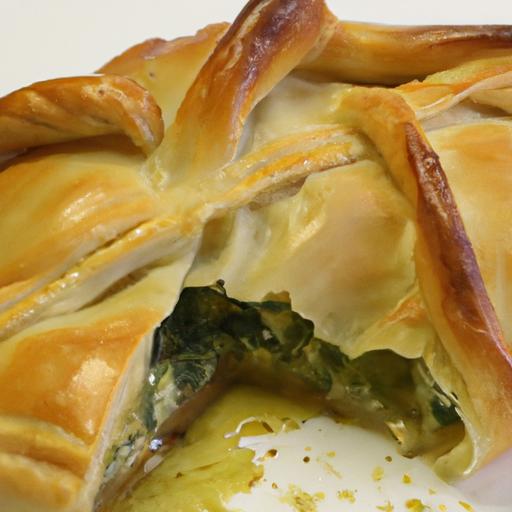

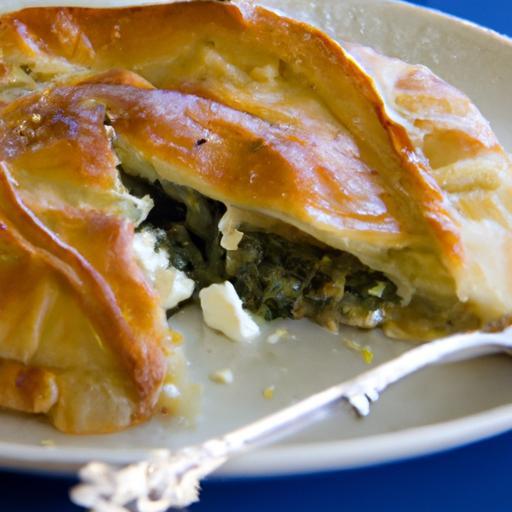
Beneath the golden, flaky layers of spanakopita lies more than just a appetizing Greek spinach pie; it holds centuries of tradition, culture, and culinary artistry.
Often hailed as a humble comfort food, spanakopita is a vibrant tapestry woven from fresh spinach, tangy feta, aromatic herbs, and delicate sheets of phyllo dough. But beyond its enticing flavors and crisp textures, this iconic dish tells a story of Greece’s rich history and the enduring love of family kitchens.
In “Spanakopita Uncovered: The Art of Greece’s Spinach Pie,” we peel back the layers to explore how this beloved pastry became a symbol of Greek identity, the secrets behind its perfect balance of ingredients, and the timeless techniques that elevate it from a simple pie to a culinary masterpiece.
Join us as we embark on a savory journey that celebrates the heart and soul baked into every bite of spanakopita.
From modest village kitchens to grand family feasts, its presence reflects the heart of Greek hospitality and an enduring connection to the earth.
Achieving the ideal filling demands a mastery of freshness and balance. Spinach, the star ingredient, must be washed thoroughly and wilted just right to avoid excess moisture that would sog the pastry.
Complementing the greens with herbs such as dill and parsley breathes life into every bite, while a mix of creamy feta and tangy ricotta yields the perfect tang. Flavor combinations can be creatively enhanced with a touch of nutmeg or a pinch of black pepper to awaken the palate.
For optimal zest and texture, consider:
- Using young, tender spinach for a sweeter taste and gentler texture
- Blotting cooked greens to remove excess liquid before mixing
- Incorporating fresh herbs finely chopped for an aromatic finish
- Balancing saltiness by taste-testing feta before adding
These tips ensure a filling that supports the phyllo’s crisp layers without overwhelming them, creating a symphony of freshness and flavor that is both authentic and irresistible.
Q&A
Q&A: Spanakopita Uncovered - The Art of Greece’s Spinach Pie
Q1: What exactly is Spanakopita?
A1: Spanakopita is a traditional Greek savory pie made primarily with spinach, feta cheese, onions or leeks, eggs, and herbs, all enveloped in flaky layers of phyllo dough. It’s a beloved comfort food that beautifully marries fresh, earthy flavors with crispy, buttery pastry.
Q2: Where did Spanakopita originate?
A2: Spanakopita’s roots trace back to ancient Greece, where wild greens and cheeses were frequently enough baked in simple flatbreads. Over centuries, this humble practice evolved into the refined phyllo pie we enjoy today, symbolizing the rich culinary heritage of the Greek countryside.
Q3: What makes the filling of Spanakopita so special?
A3: the magic lies in the harmonious blend of tender spinach, creamy feta, and fragrant herbs like dill and parsley. The filling is balanced with onions or leeks for sweetness and moisture, while eggs bind everything together, resulting in a luscious yet light texture.
Q4: why is phyllo dough essential to Spanakopita?
A4: Phyllo dough, with its paper thin sheets, creates Spanakopita’s signature flaky crust. When layered generously with butter or olive oil between sheets, it bakes into a golden, crisp shell that contrasts perfectly with the soft, savory filling inside. Without phyllo, the iconic texture and delicate crunch of Spanakopita would be lost.
Q5: are there variations of Spanakopita?
A5: Absolutely! While spinach and feta are classic, some recipes incorporate other greens like chard or nettles. Additions like ricotta, different herbs, or even nuts can appear depending on regional traditions or personal twists. Some versions are baked as large pies and sliced, while others are crafted into bite-sized triangles or rolls for easy snacking.
Q6: What’s the best way to enjoy Spanakopita?
A6: Spanakopita shines warm or at room temperature, making it a versatile dish for any occasion from festive celebrations to casual picnics. Paired with a crisp salad or a dollop of tzatziki, each bite offers an inviting journey through Greek flavors.
Q7: Can Spanakopita be made gluten-free or vegan?
A7: With some creativity, yes. Gluten-free phyllo alternatives or homemade filo like doughs can replace traditional wheat-based sheets. Vegans swap feta for plant-based cheeses or tofu mixtures, and use olive oil instead of butter. Though these variations shift the classic profile, they honor the spirit of the dish and expand its accessibility.
Q8: Why has Spanakopita become more than just a dish in Greek culture?
A8: Spanakopita is more than food it’s a symbol of Greek hospitality, tradition, and the celebration of simple, wholesome ingredients. It connects families across generations, evokes memories of festive gatherings, and embodies the Mediterranean way of life that values flavor, freshness, and convivial sharing.
Delving into Spanakopita reveals not just a recipe but a cultural masterpiece a testament to Greece’s timeless dedication to culinary artistry and the joy of eating well.
insights and Conclusions
As the golden, flaky layers of spanakopita reveal their verdant, herb-infused heart, we glimpse more than just a beloved Greek pastry we uncover a tapestry of history, culture, and culinary artistry rolled into every crisp bite. From humble village kitchens to bustling city bistros, spanakopita invites us to savor the timeless marriage of simple ingredients and masterful technique.
Whether enjoyed hot from the oven or savored as a cool snack, this spinach pie remains a delicious testament to Greece’s enduring love for food that nurtures both body and soul. So next time you encounter this savory treasure, remember: with spanakopita, you’re not just tasting a dish you’re partaking in a legacy shaped by generations, crafted with passion, and celebrated around the world.