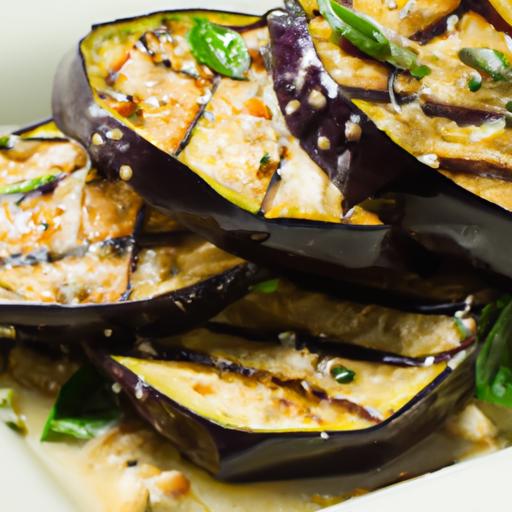

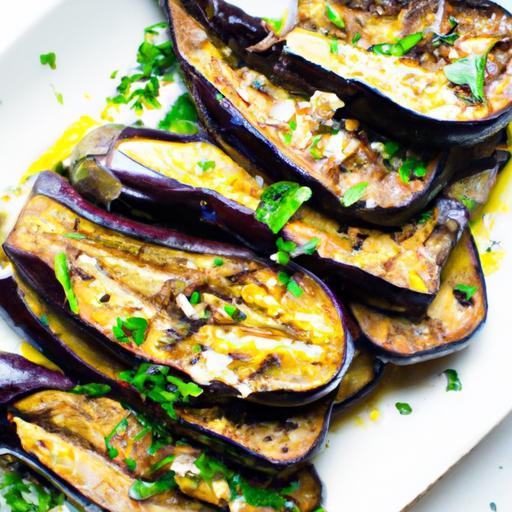
There’s a certain magic in the way eggplant transforms when it meets a hot pan the glossy purple skin yielding to tender, caramelized flesh that brims with rich, savory depth.
Sautéed eggplant is more then just a side dish; it’s a celebration of texture and flavor that elevates humble ingredients into a culinary delight.
In this article, we’ll explore the art of savoring sautéed eggplant, uncovering techniques, flavor pairings, and cultural inspirations that make this simple vegetable a star on the plate.
Whether you’re a seasoned cook or a curious foodie, prepare to discover how sautéed eggplant can awaken yoru senses and enrich your cooking repertoire.
When selecting eggplants for sautéing, seek out those that are firm to the touch with smooth, glossy skin and a vibrant deep purple hue. Smaller varieties tend to have fewer seeds and a sweeter flavor, lending themselves perfectly to tender, melt-in-your-mouth results.
Avoid any with blemishes or soft spots, as freshness directly influences texture and taste. Before cooking, slice the eggplant uniformly to ensure even heat distribution and consistent tenderness throughout your pan seared masterpiece. To truly lift the natural flavors, embrace the magic of aromatic herbs and spices.
A sprinkle of crushed garlic, fragrant thyme or a pinch of smoked paprika can transform your sauté into a sensory experience. Incorporate fresh basil or oregano at the final stage to add brightness without overpowering the eggplant’s subtle earthiness.
Achieving that coveted golden brown involves patience allow the eggplant slices to cook undisturbed on medium high heat, developing a caramelized crust that seals in moisture and layers of complex flavor.
| Herb/spice | Flavor Profile | Pairing Tip |
|---|---|---|
| Rosemary | Earthy, pine like | Add early for infusion |
| smoked Paprika | Sweet, smoky | Use sparingly to avoid bitterness |
| Basil | sweet, peppery | Stir in last minute fresh |
| Thyme | Subtle, minty | Good with garlic |
- Top your sautéed eggplant with crumbled feta or toasted pine nuts for contrast and added texture.
- Serve alongside creamy polenta or garlic-rubbed crusty bread for a comforting bite.
- Drizzle with a tangy balsamic reduction or a fresh lemon herb vinaigrette to brighten the plate.
Q&A
Q&A: Savoring Sautéed Eggplant – A Flavorful Culinary Delight
Q1: What makes sautéed eggplant such a beloved dish in the culinary world?
A1: Sautéed eggplant is a true testament to the magic of simple ingredients transformed by technique. its tender, creamy texture combined with a slightly smoky, caramelized flavor profile makes it irresistibly comforting. The beauty lies in its versatility absorbing spices, herbs, and oils like a flavorful sponge making it a canvas for countless global dishes.
Q2: How should one select the perfect eggplant for sautéing?
A2: When choosing eggplants, look for firm, glossy skin without blemishes or soft spots. Smaller varieties tend to be less bitter and have fewer seeds, which translates to a smoother texture. The freshest eggplants yield a more delicate flavor and better sauté results.
Q3: Is there a secret to preparing eggplant before cooking to enhance its flavor?
A3: Absolutely! Manny chefs recommend salting sliced eggplant and letting it sit for about 30 minutes. This draws out moisture and any residual bitterness, ensuring each bite is perfectly tender and rich. Remember to rinse and pat dry before sautéing to avoid excess saltiness.
Q4: What oils and seasonings complement sautéed eggplant best?
A4: olive oil is a classic match, imparting a fruity warmth that melds beautifully with eggplant’s mildness. Garlic, fresh herbs like basil and oregano, and a pinch of chili flakes can elevate the dish, adding layers of aromatic depth. A squeeze of lemon juice at the end can brighten the overall flavor.
Q5: Can sautéed eggplant be part of different cuisines?
A5: Definitely! From Mediterranean ratatouille and Middle Eastern baba Ganoush to Asian stir-fries and Indian curries, sautéed eggplant adapts seamlessly. Its ability to take on diverse spices and ingredients makes it a global culinary delight.
Q6: Any tips for achieving the perfect sautéed eggplant texture?
A6: Cook over medium high heat to get that lovely golden caramelization without turning mushy. Stir frequently but gently, allowing pieces to brown evenly. Avoid overcrowding the pan it’s better to sauté in batches to maintain crisp edges and tender centers.
Q7: How can sautéed eggplant be served to impress guests?
A7: Serve it as a vibrant side dish accented with fresh herbs and a drizzle of balsamic reduction, or layer it in lasagnas and casseroles for smoky richness. It also shines atop warm crusty bread as a rustic bruschetta or mixed into grain bowls for hearty, flavorful nourishment.
Q8: What are some creative pairings to try with sautéed eggplant?
A8: Pair it with tangy feta or creamy goat cheese for contrast, roasted cherry tomatoes for sweetness, or toasted pine nuts for crunch. For a protein boost, add chickpeas or grilled chicken. The possibilities are endless, limited only by your culinary inventiveness.
Sautéed eggplant is more than just a dish; it’s an invitation to savor the artistry of transformation from humble vegetable to savory masterpiece. Embrace the flavors, textures, and aromas, and let every bite tell a story of culinary delight.
To Wrap It Up
As the final sizzle fades and the rich aroma of sautéed eggplant lingers in the air, it’s clear that this humble vegetable holds a world of flavor and versatility within its tender flesh. Whether embraced in a rustic Mediterranean dish or elevated with bold spices in an innovative recipe, sautéed eggplant invites both home cooks and seasoned chefs to savor its unique texture and savory depth.
Let each bite remind you that sometimes, the simplest ingredients when treated with care and creativity can transform into truly delightful culinary experiences. So next time you reach for a vegetable to star on your plate, consider the enchanting allure of sautéed eggplant, and let your taste buds embark on a flavorful journey worth savoring.