
In the sun-drenched heart of Andalusia, where summer heat lingers long into the evening, a culinary gem has quietly kept locals cool for generations. Meet salmorejo: Spain’s luscious, creamy tomato treat that’s as simple as it is sublime.
This chilled soup, with its velvety texture and vibrant flavors, offers a refreshing escape from the heat, inviting food lovers to savor the essence of ripe tomatoes, fragrant olive oil, and rustic bread in every spoonful. Join us as we unveil the story behind salmorejo exploring its origins, its cultural significance, and why this humble dish has become an enduring symbol of Spanish summertime.
The creamy texture that defines salmorejo stems from the perfect harmony of ingredients and technique. Achieving this involves using high-quality, extra-virgin olive oil which emulsifies with stale bread soaked in fresh tomatoes, creating a luscious base that balances tanginess and richness.
Readiness tips include peeling ripe tomatoes to avoid bitterness, allowing the mixture to rest for flavors to meld, and blending slowly to create that signature smooth consistency.
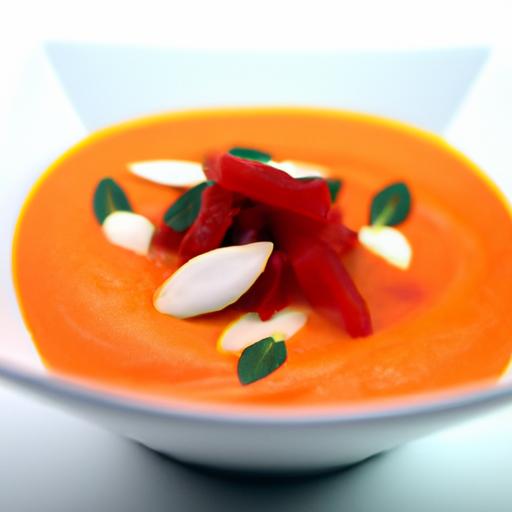
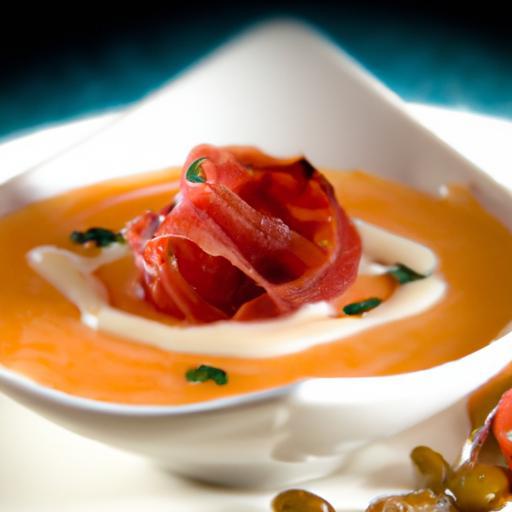
For an elevated experience, consider serving salmorejo chilled with toppings such as diced cured ham, hard boiled eggs, or a drizzle of sherry vinegar, each element adding depth while celebrating the essence of Andalusian flavors.
- Traditional Ingredients: Tomatoes, stale bread, garlic, olive oil, vinegar
- Texture Tip: Blend slowly for silkiness, rest before serving
- Popular Garnishes: Cured ham, boiled eggs, olive oil drizzle
- Serving Style: Always chilled, perfect for hot climates
| Nutrient | Amount per Serving | benefit |
|---|---|---|
| Vitamin C | 25 mg | Boosts immunity |
| Dietary Fiber | 4 g | Supports digestion |
| Healthy Fats | 8 g | Promotes heart health |
| Antioxidants | High | Fights inflammation |
Q&A
Q&A: Salmorejo Unveiled – Spain’s Creamy, Cooling tomato Treat
Q1: What exactly is Salmorejo?
A1: Salmorejo is a luscious, velvety Spanish cold soup that hails from Córdoba, Andalusia. Think of it as a creamy cousin to gazpacho but richer and silkier, made primarily from ripe tomatoes, day-old bread, olive oil, garlic, and a pinch of salt. It’s the ultimate summer refresher cool, smooth, and deeply flavorful.
Q2: How does Salmorejo differ from gazpacho?
A2: While both are chilled tomato-based soups from Spain, gazpacho leans lighter and tangier, often featuring cucumbers, peppers, and vinegar for a zestier zing. Salmorejo, conversely, boasts a thicker, creamier texture thanks to a higher ratio of bread and olive oil. It’s richer, more indulgent, and wonderfully velvety on the palate.
Q3: What’s the secret behind Salmorejo’s creamy texture?
A3: The magic lies in the humble slice of stale bread. Traditionally, day-old white bread is soaked and blended with fresh tomatoes and olive oil until it forms a thick, smooth consistency – almost like a luscious tomato custard. This technique not only adds body but also transforms simple ingredients into a silken masterpiece.
Q4: How is salmorejo typically served in Spain?
A4: Salmorejo is frequently enough garnished with classic toppings like diced Spanish ham (jamón ibérico) and hard-boiled eggs, adding a savory, protein-rich contrast to its creamy base. Sometimes, a drizzle of extra virgin olive oil or a sprinkle of chopped fresh herbs elevate the flavors further, making it both visually appealing and mouthwateringly good.
Q5: Can I customize Salmorejo to suit my taste?
A5: Absolutely! While the traditional recipe is wonderfully satisfying, feel free to experiment. Add a touch of sherry vinegar for brightness, a hint of smoked paprika for warmth, or swap the bread for gluten-free alternatives. Some even enjoy a splash of fresh lemon juice or a spicy kick with a pinch of cayenne. The essence is a luscious, chilled tomato blend the rest is your canvas.
Q6: Why is Salmorejo considered a quintessential Andalusian dish?
A6: Andalusia’s sunny climate and bountiful tomato harvests make it the perfect birthplace for this dish. Salmorejo reflects the region’s love for simple, fresh ingredients transformed by care and tradition. It’s a culinary hug from southern Spain comforting, cooling, and utterly delicious embodying the spirit and flavors of Andalusian summer.
Q7: Is Salmorejo healthy?
A7: Definitely! Packed with ripe tomatoes, garlic, and olive oil, Salmorejo offers antioxidants like lycopene, heart-healthy fats, and vitamins A and C. Its chilled, refreshing nature makes it a light yet nourishing choice, perfect for hot days when you want to feel revitalized without heaviness.
Q8: When and how should I enjoy Salmorejo?
A8: Salmorejo shines brightest on warm afternoons, served as a starter at a leisurely lunch or as a light dinner under the stars. Pair it with crusty bread and a chilled glass of Spanish white wine or sherry, and you’ve got a slice of Andalusian sunshine on your table. Whether you’re at a bustling tapas bar or your kitchen counter, it’s pure summer bliss in a bowl.
Insights and Conclusions
As the vibrant flavors of salmorejo linger on your palate, it’s clear this humble Andalusian creation is much more than just a chilled tomato soup. It’s a creamy, cooling testament to Spain’s rich culinary heritage-where simplicity meets sophistication in every velvety spoonful. Whether enjoyed as a refreshing appetizer on a hot summer day or as a canvas for bold toppings, salmorejo invites you to savor the sun-soaked essence of southern Spain with each bite. So next time you seek a taste of authentic Spanish comfort, remember: sometimes, the coolest dishes tell the warmest stories.