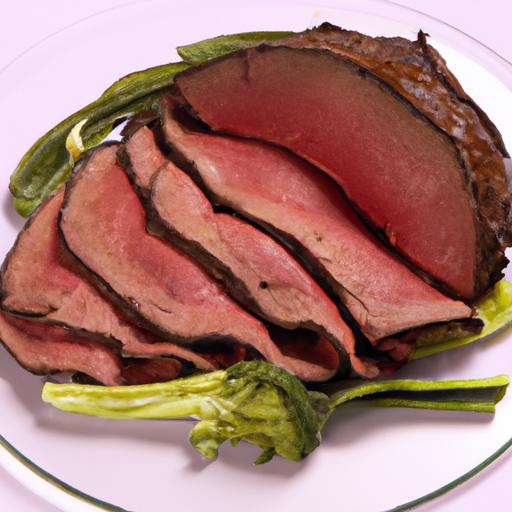

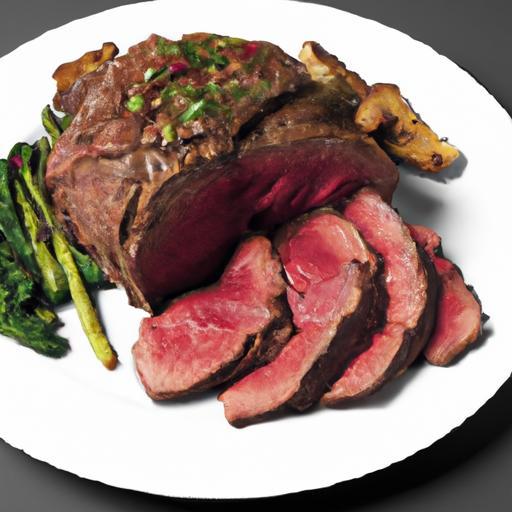
Few dishes evoke the comforting warmth of a family gathering or the hearty satisfaction of a well crafted meal quite like roast beef. With its succulent slices and rich, savory aroma, roast beef has secured a place not only at our tables but also in the annals of culinary history.
In “Roast Beef revealed: History, Tips, and Tasty Traditions,” we embark on a flavorful journey from the origins of this timeless dish to expert techniques that unlock its perfect roast, and the diverse customs that celebrate it across cultures.
Whether you’re a kitchen novice or a seasoned cook, prepare to uncover the secrets behind roast beef’s enduring appeal and discover how to elevate this classic feast to new heights.
This tradition spread across continents, evolving with regional ingredients and cultural influences, transforming simple cuts of meat into sumptuous feasts. From the smoky hints of an open hearth in Yorkshire to the aromatic herbs of Provence, roast beef has always been a canvas for local tastes and time honored methods.
Understanding the roots of these preparations sheds light on why specific cuts and cooking approaches matter so much. Consider the classic sirloin roast popular in England contrasted with America’s top round roast each offers a distinct texture and flavor profile, shaped by climate, cattle breeds, and culinary values.
Below is a glimpse into some regional favorites that exemplify this rich tapestry:
| Region | Signature Cut | Key Flavor Notes |
|---|---|---|
| England (Yorkshire) | sirloin | Herbal, robust, slightly charred crust |
| USA (Midwest) | Top Round | Lean, earthy, full-bodied |
| France (Provence) | Rib Roast | Garlic, rosemary, subtle wine infusion |
| Australia | Blade Roast | Rich, tender, with peppercorn accents |
Q&A
Q&A: Roast Beef Revealed – History, Tips, and Tasty Traditions
Q1: Where did roast beef originate?
A1: Roast beef’s roots stretch deep into the British Isles, especially England, where it became a culinary cornerstone by the 18th century. The iconic “Sunday roast,” featuring succulent roast beef, emerged as a hearty family tradition, symbolizing warmth, celebration, and togetherness.
Q2: Why is roast beef often called “the national dish” of England?
A2: The moniker comes from its deep cultural meaning and ubiquity on British tables, especially during Sunday dinners. Roast beef became so emblematic of English cuisine that the French humorously dubbed the English “les Rosbifs”, showcasing its symbolic power beyond borders.
Q3: What are the best cuts of beef for roasting?
A3: Prime selections include rib roast (standing rib), sirloin, and tenderloin. These cuts strike a perfect balance between marbling for flavor and tenderness for mouthwatering texture. Each offers a unique personality from the richness of rib roast to the lean elegance of tenderloin.
Q4: How do you achieve the perfect roast beef crust?
A4: The secret lies in high heat and patience. Start by patting the beef dry, seasoning generously with salt and pepper, and searing the meat in a scorching hot pan or oven for a few minutes to caramelize the exterior. This Maillard reaction creates that irresistible crust, locking in juices beneath.
Q5: What’s the ideal internal temperature for roast beef?
A5: It depends on preferred doneness, but generally: 125°F (52°C) for rare, 135°F (57°C) for medium rare, and 145°F (63°C) for medium. Resting the roast post oven for 15-20 minutes lets juices redistribute, ensuring every slice sings with tenderness.
Q6: Are there traditional sides that pair perfectly with roast beef?
A6: Absolutely! Classic companions include crispy roast potatoes, Yorkshire pudding (the quintessential British pop over), buttered vegetables like carrots and parsnips, and a robust gravy made from pan drippings. Together, they create a harmonious symphony of flavors and textures.
Q7: Can roast beef be enjoyed beyond Sunday dinners?
A7: Definitely! Leftovers transform into delectable sandwiches, hearty stews, or savory hash breakfasts. Its versatility makes roast beef a star for casual lunches and festive feasts alike, proving its timeless appeal.
Q8: Any final tips for roasting success?
A8: Yes invest in a reliable meat thermometer, don’t rush the resting period, and remember that quality beef breeds remarkable results. Experiment with herbs like rosemary and thyme for aromatic depth. Most importantly, savor the process: roasting beef is both art and joy!
This Q&A unravels roast beef’s flavorful story and offers practical wisdom to elevate your next roast. Whether a curious cook or seasoned chef, may these insights inspire your kitchen adventures!
Future Outlook
As the last succulent slice of roast beef is savored and the aromas linger like a cherished memory, we come full circle in uncovering this timeless dish’s story. From ancient feasts to modern family dinners, roast beef has carved its place not only on our tables but in our hearts. Armed with history, handy tips, and a few tasty traditions, you’re now ready to elevate your next roast to legendary status. So whether you carve it thin or serve it thick, remember: every roast tells a story and yours is waiting to be shared. Cheers to beef, to flavor, and to the warm moments roast beef brings to the table.