
Nestled within the sun-drenched landscapes of Spain lies a culinary treasure that bursts with color, flavor, and tradition: Pisto. Often described as Spain’s vibrant answer to the beloved French ratatouille, Pisto is far more than just a medley of vegetables simmered to perfection.
This humble yet soul stirring dish captures the essence of Spanish culture simple ingredients transformed through time honored techniques into a festivity of rustic charm and nourishing comfort.
In this article, we’ll uncover the origins, variations and cultural significance of Pisto, inviting you to dive into a world where fresh produce meets passionate cooking, and every bite tells a story of heritage and heart.
Each region adds its subtle twist, but the essence remains the same a vibrant, hearty dish that tells a story of harvest, seasonality, and simplicity elevated by patience.
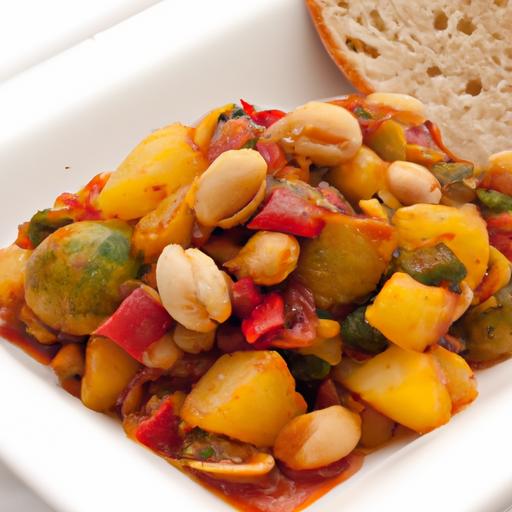
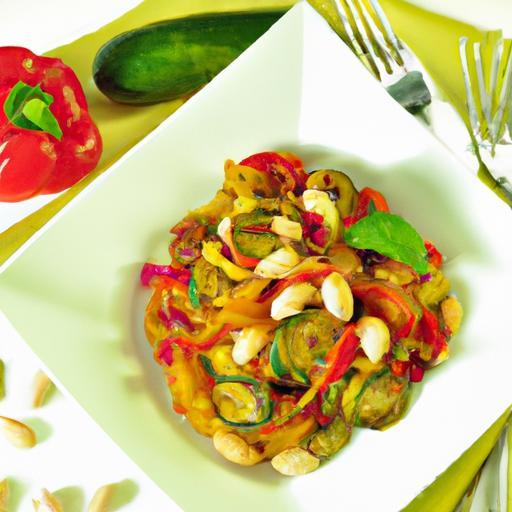
The magic of pisto lies in its melting pot of bold yet balanced ingredients. Classic components include ripe tomatoes, zucchinis, eggplants, and sweet bell peppers, all gently sautéed with onions and garlic to draw out their natural sweetness. The use of olive oil, a cornerstone of Spanish gastronomy, infuses the dish with a lush, fruity undertone.
Fresh herbs like thyme or bay leaves often join the mix, while a pinch of smoked paprika can introduce a subtle warmth that lingers on the palate.
This harmonious blend creates a flavor profile both comforting and vibrant, offering a appetizing canvas for endless personal and regional reinterpretations.
Q&A
Q&A: Pisto Uncovered - Spain’s Vibrant Take on Ratatouille Delight
Q1: What exactly is Pisto, and how does it differ from ratatouille?
A1: Pisto is a classic Spanish dish hailing primarily from the region of Castilla La Mancha. Like ratatouille, it’s a medley of summer vegetables think tomatoes, zucchini, eggplant, peppers, and onions simmered into a luscious stew. But while ratatouille frequently enough takes a French Provençal flair with herbs like thyme and rosemary, Pisto embraces the robust, sun-soaked flavors of Spain, often enriched with smoky paprika and garlic, delivering a deeper, earthier taste. It’s Spain’s vibrant ode to garden bounty, served with its own spirited soul.
Q2: How is Pisto traditionally prepared?
A2: Readiness is an artful layering of flavors. Each vegetable is typically sautéed separately to coax out its unique character before coming together in a slow simmer with ripe tomatoes. Olive oil, the golden elixir of Spanish cuisine, bathes every ingredient. A pinch of smoked paprika frequently enough adds a subtle, smoky warmth. This slow, mindful cooking transforms simple vegetables into a harmonious mosaic bursting with flavor and color a true celebration of rustic simplicity.
Q3: Which vegetables are essential in authentic Pisto?
A3: The star players are juicy tomatoes, tender zucchini, earthy eggplants, sweet bell peppers (red and green),and pungent onions. Garlic is also key to infuse aromatic depth. While regional and seasonal variations exist, these core ingredients create the signature texture and taste that make Pisto unmistakably Spanish.
Q4: How is Pisto traditionally served?
A4: Pisto is deliciously versatile. It can be enjoyed hot as a comforting main dish, frequently enough topped with a fried egg (known as huevo frito) for an indulgent touch. Alternatively, it serves beautifully as a side or tapa, paired with crusty bread or Manchego cheese. Some like it chilled as a refreshing summer salad, showcasing its versatility. Whether humble or celebratory, Pisto fits seamlessly into any Spanish table.
Q5: What cultural significance does Pisto hold in Spain?
A5: More than just a dish, Pisto reflects Spain’s agricultural heart and communal spirit. It embodies the joy of harvesting seasonal vegetables and sharing them with loved ones. In many Spanish homes, making Pisto is a generational ritual each family adding their own twist, preserving traditions while honoring local terroir. It’s a flavorful reminder of Spain’s rich culinary heritage and the simple pleasures of gathering around food.
Q6: Can Pisto be adapted for modern dietary preferences?
A6: Absolutely! pisto is inherently vegetarian and vegan pleasant, relying on fresh produce rather than meat or dairy. For gluten-free diets, it poses no issue since its base is vegetables and olive oil. To add protein, some enjoy it alongside grilled fish, chicken, or beans. It’s a wonderfully adaptable dish that warmly embraces contemporary lifestyles without losing its spirited essence.
Q7: why should food lovers around the world discover pisto?
A7: Pisto invites you to experience Spain’s vibrant flavors in a humble yet profound way. It’s comfort and celebration all in one: a dish that honors the seasons, the land and the art of simple, slow cooking. For anyone enchanted by ratatouille’s charm, Pisto offers a interesting, fiery cousin with its own sunny attitude ready to brighten your palate and inspire your kitchen adventures.
In Retrospect
As the final spoonful of this vibrant Spanish dish lingers on the palate, it’s clear that it’s much more than a humble vegetable stew. Rooted in tradition yet bursting with fresh, sun-kissed flavors, it offers a delightful glimpse into the heart of Spain’s culinary landscape. Whether enjoyed as a comforting main course or a colorful tapa, its layers of tender tomatoes, peppers, zucchini, and onions tell a story of Mediterranean warmth and simplicity.
Much like ratatouille, this dish celebrates the beauty of seasonal ingredients but with a spirited Spanish twist that makes every bite an invitation to savor life’s colorful abundance. So next time you crave something wholesome and luminous, let it uncover a new favorite on your table one that’s as rich in history as it is in taste.