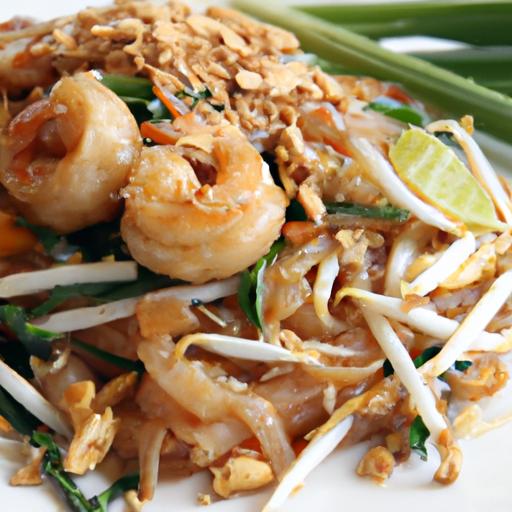

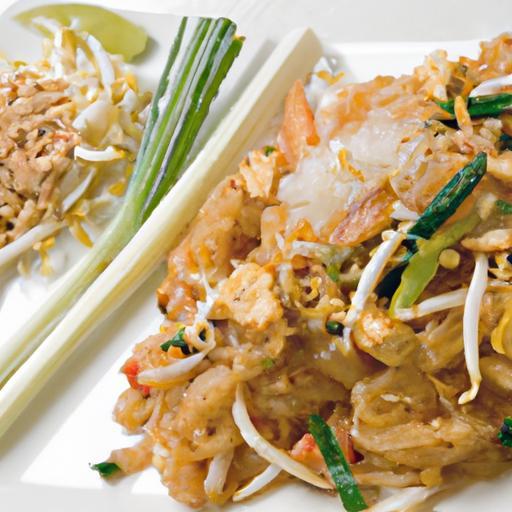
In the vibrant tapestry of global cuisine, few dishes capture the heart and palate quite like Pad Thai. More than just a popular street food, this beloved Thai stir-fried noodle dish is a symphony of flavors-tangy tamarind, nutty peanuts, fresh herbs, and a hint of fiery chili-that dance together in perfect harmony. But behind its irresistible taste lies a rich cultural narrative and a culinary artistry passed down through generations. In “pad Thai Unveiled: The Art and Flavor of Thai Stir-Fried Noodles,” we delve into the origins, ingredients, and techniques that transform simple noodles into a national treasure, inviting you to explore the story and science behind every savory bite.
Pad Thai Unveiled: The Art and Flavor of Thai Stir-Fried Noodles draws you into a culinary tradition that blends history, culture, and masterful technique. This iconic dish, beloved by millions worldwide, originated as a street-food marvel in mid-20th century Thailand, designed to create a nourishing yet affordable meal amid economic reform. Its vibrant interplay of sweet, sour, and savory flavors tells a story of balance-the quintessence of Thai cuisine. Preparing Pad Thai is not merely cooking; it’s an invitation to experience a dance of tastes and textures, where crisp peanuts, tender noodles, piquant tamarind, and fresh herbs unite in perfect harmony.
Prep and Cook Time
- Preparation: 20 minutes
- Cooking: 10 minutes
- Total Time: 30 minutes
Yield
Serves 4 generous portions – ideal for sharing or a nourishing family dinner.
Difficulty Level
Medium – requires attention to timing and layering of flavors, but rewarding wiht practice.
Essential Ingredients for Authentic Pad Thai
- 200g dried flat rice noodles (soaked in warm water for 30 minutes until pliable)
- 2 tablespoons tamarind paste (key for that tangy sourness)
- 3 tablespoons palm sugar (or light brown sugar as a substitute)
- 3 tablespoons fish sauce (for umami depth)
- 2 tablespoons vegetable oil (neutral flavor for stir-frying)
- 2 cloves garlic, minced
- 200g peeled shrimp (or firm tofu for a vegetarian option)
- 2 large eggs
- 1 cup bean sprouts, rinsed and drained
- 3 scallions, cut into 1-inch pieces
- 1/4 cup chopped roasted peanuts (adds irresistible crunch)
- 1 lime, cut into wedges for garnish
- A handful of fresh cilantro, chopped (optional)
- Dried chili flakes, to taste
Step-by-Step Instructions
- soak the noodles: Place dried flat rice noodles in warm water for 30 minutes or until flexible but still firm. Drain and set aside.
- Prepare the Pad Thai sauce: In a small bowl, combine tamarind paste, palm sugar, and fish sauce. Stir well until sugar dissolves completely for that perfect sweet-sour-savory harmony.
- Heat your wok: Add vegetable oil over medium-high heat until shimmering. Toss in minced garlic and sauté until fragrant, about 30 seconds.
- Cook the protein: Add shrimp or tofu, stir-frying until shrimp turn opaque or tofu gets golden edges, about 2-3 minutes.
- Push ingredients aside: Make space in the wok’s center and crack in eggs. Lightly scramble until just set.
- Add noodles and sauce: Incorporate soaked noodles and pour over the prepared sauce. Toss vigorously with tongs to coat noodles evenly and heat through, about 3 minutes.
- Add freshness and crunch: Fold in bean sprouts and scallions, cooking for just another minute to keep crispness intact.
- Plate artfully: Transfer noodles to serving plates. Sprinkle generously with roasted peanuts, a dash of dried chili flakes, and fresh cilantro. Serve with lime wedges on the side.
Tips for Success When Cooking Pad Thai
- Control the heat: Cooking on high heat ensures searing flavors but be vigilant to avoid burning.
- Tamarind paste: Adjust acidity by tasting the sauce before adding to noodles, balancing with extra sugar or fish sauce to suit your palate.
- Noodles texture: Soaked, not boiled, for that chewy bite. Over-soaking or simmering can lead to mushiness.
- Protein substitutions: Firm tofu offers a vegetarian-friendly variant with delightful texture; chicken breast also works well.
- Make-ahead tip: prep sauce and chop ingredients prior to cooking to streamline the stir-fry process.
serving Suggestions
Present your Pad Thai with a vibrant garnish of chopped peanuts and fresh cilantro to enhance its luscious texture and aroma.A wedge of lime on the side invites diners to brighten each bite. Pair it with a crisp cucumber salad or a light Thai iced tea for cooling contrast. for an authentic dining experience, serve with small plates of additional chili flakes and crushed peanuts, empowering guests to customize their heat and crunch.
| Nutrition | Per Serving |
|---|---|
| Calories | 420 kcal |
| Protein | 28 g |
| Carbohydrates | 45 g |
| Fat | 14 g |
For a deeper dive into the fascinating world of Southeast Asian noodles and their cultural roots, check out our comprehensive guide to Thai noodle dishes. To learn more about the nutritional and historical aspects of tamarind pulp, visit Britannica’s tamarind overview.

Q&A
Q&A: Pad Thai Unveiled – The Art and Flavor of Thai Stir-Fried Noodles
Q1: What makes Pad Thai one of the most iconic Thai dishes?
A1: Pad Thai is a lovely harmony of textures and tastes, blending stir-fried rice noodles with a savory-sweet tamarind sauce, crunchy crushed peanuts, fresh bean sprouts, and a hint of zesty lime. Its balance of salty, sweet, sour, and umami flavors, paired with vibrant colors and contrasting textures, makes it a true signature of Thai culinary art.
Q2: What are the essential ingredients to create an authentic Pad Thai?
A2: At its core,Pad Thai features rice noodles,tamarind paste,fish sauce,palm sugar,eggs,garlic,and tofu or chicken for protein. Fresh bean sprouts, chopped scallions, crushed peanuts, and wedges of lime finish the dish, bringing freshness and crunch. The magic comes from skillfully stir-frying these elements so they marry perfectly.
Q3: How does tamarind influence the flavor profile of Pad Thai?
A3: Tamarind paste injects that characteristic tangy and slightly sweet note, creating the signature balance that distinguishes pad Thai from other noodle dishes. It brightens the savory depth of fish sauce and the caramelized sweetness of palm sugar,resulting in a complex,layered sauce that sings on the palate.
Q4: can Pad Thai be made vegetarian or vegan without losing authenticity?
A4: Absolutely! Simply substitute fish sauce with soy sauce or tamari and replace eggs with silken tofu or additional vegetables such as mushrooms and bell peppers.While the traditional Pad Thai often includes seafood or chicken, its core lies in the combination of noodles and sauce, which can be authentically preserved in vegan renditions too.
Q5: What’s the secret technique to achieve the perfect texture in Pad Thai noodles?
A5: Timing and temperature are everything. The rice noodles should be soaked just until pliable, not mushy, then stir-fried vigorously over high heat. This ensures they stay slightly chewy with a tender bite-not sticky or soggy. Adding ingredients in the right sequence, like eggs first blending with noodles before proteins and sauce, builds layers of flavor and texture.
Q6: How important are the garnishes in the final presentation and taste of Pad Thai?
A6: Garnishes like fresh lime wedges, crushed roasted peanuts, and crisp bean sprouts are essential-they add brightness, crunch, and a citrusy punch that enliven every mouthful. A sprinkle of chili flakes or fresh herbs like cilantro can also elevate the sensory experience, making the dish as visually inviting as it is indeed tasty.
Q7: why is Pad Thai more than just a street food dish in Thailand?
A7: Pad Thai is a cultural emblem-a reflection of Thai ingenuity in balancing flavor and resourcefulness in everyday cooking. while it rose to fame as a popular street food, it symbolizes thailand’s culinary identity, embodying centuries of tradition, family recipes, and national pride served one steaming plate at a time.
Q8: What role does the wok play in preparing Pad Thai?
A8: The wok’s unique shape and high, even heat enable rapid stir-frying that seals in flavors and creates slight caramelization, key for Pad Thai’s signature taste. This hot, fast sear is tough to replicate in other cookware, making the wok an essential tool for achieving that authentic smoky “wok hei” essence.
With these answers,your journey through Pad Thai reveals not only its mouthwatering flavors but also the artistry and cultural passion simmering behind every stir-fried noodle strand.
In Conclusion
As we’ve unraveled the layers of Pad Thai-from its humble street food origins to its revered place on global menus-we see more than just a dish; we witness a culinary symphony where tradition and innovation dance in every bite. The balance of tangy tamarind, nutty peanuts, fresh herbs, and perfectly stir-fried noodles tells a story of Thailand’s rich cultural tapestry and its devotion to flavor harmony. Whether your a seasoned chef or a curious food lover, embracing the art of Pad Thai invites you to savor not just a meal, but a flavorful journey that celebrates creativity, heritage, and the timeless joy of sharing good food. So next time you twirl your fork or chopsticks around those vibrant noodles, remember the craft and culture nestled in every mouthful-Pad Thai, truly, is a dish worth unveiling again and again.