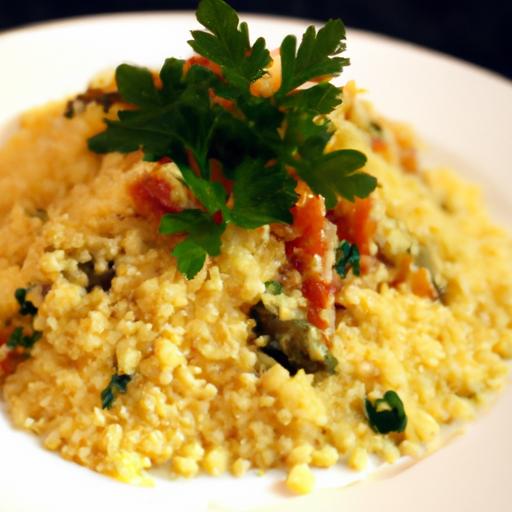

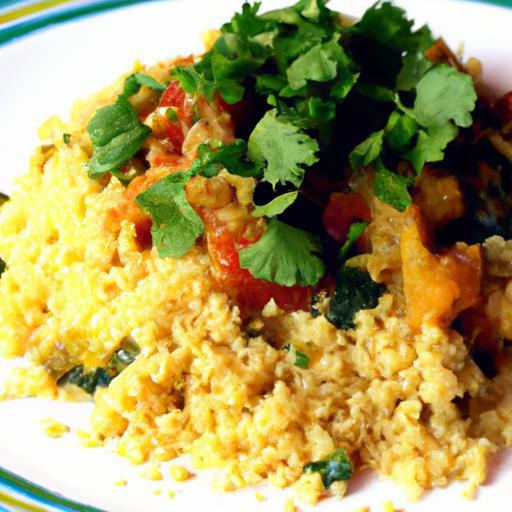
In the bustling markets of Marrakech and the sun-drenched plains of the Atlas Mountains, Moroccan couscous is more than just a dish-it is a party of culture, history, and community. This humble grain, steamed to fluffy perfection and crowned with a colorful medley of vegetables, tender meats and fragrant spices, embodies centuries of culinary tradition passed down through generations.
Join us on a flavorful journey through Moroccan couscous, where each bite tells a story of ancient trade routes, familial bonds, and the vibrant spirit of a nation. Whether savored at a festive gathering or a quiet family meal, Moroccan couscous invites you to experience a timeless blend of taste and tradition.
Central to Moroccan feasts, it carries a ritualistic importance, often presented on a large communal platter to be shared among family and friends. Its humble yet versatile ingredients reflect the diversity of Morocco’s landscape and history, bridging Arab, Berber, and Mediterranean influences through every grain.
The essence of a perfect couscous lies in its ingredients and readiness. At the heart are the tiny granules of semolina wheat, steamed multiple times to achieve a light, fluffy texture.
This labor intensive process is accompanied by a rich medley of vegetables such as carrots, chickpeas, and zucchini and tender meats like lamb or chicken, slow-cooked in aromatic spices including saffron, cinnamon, and Ras el Hanout.
Regional distinctions blossom around these foundations; for example, in the Atlas Mountains, dried fruits and nuts add a sweet dimension, while coastal areas favor seafood-infused variations.
- Key Ingredients: Semolina, lamb/chicken, chickpeas, root vegetables.
- Conventional Spices: saffron, cumin, coriander, Ras el Hanout.
- Preparation Techniques: Multiple steaming sessions, slow simmering of the stew.
| Region | Unique Twist | Flavor Profile |
|---|---|---|
| Fes | Almond and raisin garnish | Sweet and nutty |
| Essaouira | Inclusion of fresh seafood | Briny and savory |
| Atlas Mountains | Dried apricots and honey drizzle | Sweet and earthy |
To unlock couscous perfection at home, start with quality semolina and embrace the traditional steaming process patience is key. Lightly fluff the couscous with a fork between steams to keep grains separate and airy. Serving this culinary masterpiece alongside a vibrant harissa sauce or a cool cucumber and mint salad can balance the warmth of spices and elevate the meal experience. Whether used as a base for hearty tagines or as a festive showstopper, Moroccan couscous invites you to savor history one bite at a time.
Q&A
Q&A: Moroccan Couscous – A Flavorful Journey Through Tradition
Q1: What makes Moroccan couscous so special compared to other types of couscous?
A1: Moroccan couscous stands out not just as of its tiny, delicate grains but due to the centuries-old traditions that surround its preparation and serving. Unlike instant couscous varieties, Moroccan couscous is steamed multiple times to achieve that signature fluffy, light texture. The dish is often accompanied by a rich, aromatic stew of slow-cooked meats and vegetables, flavored with spices like saffron, cinnamon, and cumin, making every bite a dance of textures and tastes deeply rooted in Moroccan culture.
Q2: can you explain the cultural significance of couscous in Moroccan life?
A2: In Morocco, couscous is more than just food-it’s a symbol of community and celebration. Traditionally served on Fridays after the midday prayer, couscous gatherings bring families and friends together, creating moments of shared joy and connection. It’s also central during religious festivals, weddings, and harvest celebrations, embodying hospitality and the warmth of Moroccan spirit.
Q3: What are some traditional ingredients that define authentic Moroccan couscous?
A3: Authentic Moroccan couscous typically features semolina grains steamed to perfection, paired with a savory blend of seasonal vegetables like carrots, zucchini, pumpkins, and chickpeas. Meat options-often lamb, chicken, or beef-are simmered in a fragrant broth infused with a complex mixture of spices such as Ras El Hanout (a Moroccan spice blend), turmeric, ginger, and preserved lemon. Fresh herbs like cilantro and parsley add freshness, while a drizzle of spicy harissa can awaken the palate.
Q4: how has Moroccan couscous evolved with modern culinary trends?
A4: While tradition remains at its heart, Moroccan couscous has welcomed creativity. Chefs now experiment with quinoa or pearl couscous for different textures, incorporate unexpected ingredients like roasted nuts or dried fruits, and present couscous salads for lighter, contemporary meals. Fusion recipes blend flavors from other cuisines, yet always respect the essence-celebrating couscous as a versatile canvas rooted in Moroccan heritage.
Q5: What are some tips for preparing authentic Moroccan couscous at home?
A5: Patience is key-steaming your couscous at least twice ensures fluffy grains. Don’t rush to add water; sprinkle it gently and fluff continuously with a fork. Layer your vegetables and meat in a tagine or deep pot with rich broth and spices for slow cooking that builds deep flavors. Finish with a scatter of fresh herbs and a touch of olive oil or butter to elevate the dish. And remember, savoring couscous isn’t just about taste-it’s about embracing a tradition of communal dining and storytelling.
Q6: Where can travelers experience the most authentic Moroccan couscous?
A6: The most authentic couscous is often found in family-run riads and traditional homes across cities like Marrakech, Fes, and Chefchaouen. Local markets buzz with fresh produce and spices, and street vendors offer hearty, affordable versions. For a truly immersive experience, visitors might join a Moroccan cooking class or a countryside meal, where the preparation of couscous is a ritual shared among generations.
Embark on your own flavorful journey with Moroccan couscous-each bite a warm invitation into a rich cultural tapestry woven through time, spice, and togetherness.
Wrapping up
As the aromatic steam rises from a freshly prepared Moroccan couscous, it carries with it centuries of tradition, culture and a symphony of flavors that invite both curiosity and celebration. This humble grain, transformed through time honored techniques and vibrant spices, tells a story far richer than its simple ingredients suggest. Whether shared at a bustling family gathering or savored quietly at home, Moroccan couscous remains a flavorful testament to the country’s culinary heritage a flavorful journey that continues to inspire and connect people around the world. So the next time you dish up this iconic meal, remember: you’re not just tasting food, but embracing a living tradition that has seasoned the hearts and tables of Morocco for generations.