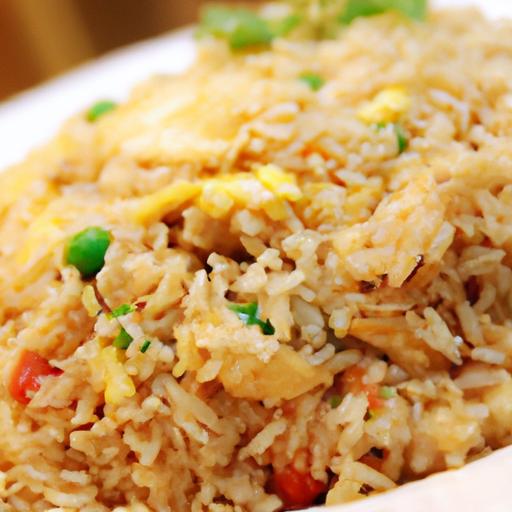

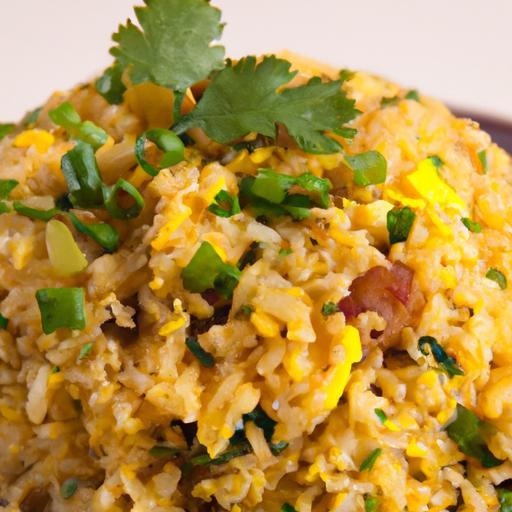
There’s something undeniably magical about a bowl of perfectly fluffy fried rice each grain separate yet harmoniously united, bursting with flavor and texture. But achieving that elusive balance can often feel like an art form reserved for seasoned chefs. Fear not: mastering the art of perfectly fluffy fried rice every time is within your reach.
In this article, we’ll unravel the secrets behind that ideal stir-fry texture, explore essential techniques, and share expert tips that transform humble leftover rice into a dish worthy of culinary applause. Get ready to elevate your fried rice game and impress taste buds with every bite!
Choosing the Ideal Rice for Ultimate Fluffiness
Master the art of perfectly fluffy fried rice every time begins with selecting the right rice variety. Long-grain rice, especially jasmine rice, is the preferred choice due to its delicate floral aroma and naturally separate grains after cooking. Avoid short-grain rice that tends to clump and become sticky,detracting from that coveted fluffy texture. For best results, use rice that is a day old or at least cooled fully, as freshly steamed rice will be too moist and can turn mushy when stir-fried.
Mastering the Technique of Proper Rice Preparation
The secret behind that signature fluffy fried rice texture lies in how the rice is prepared before it hits the wok. Rinse your rice thoroughly until the water runs clear to eliminate excess starch, preventing clumping. Cook it with slightly less water than usual use a 1:1.25 rice to water ratio for jasmine rice to keep the grains firm. Spread out the freshly cooked rice on a large tray or shallow pan, and let it cool completely, ideally overnight in the refrigerator. This drying step helps the grains separate beautifully, ensuring each bite boasts lightness and airiness.
Secrets to Achieving the Perfect stir Fry Texture
Achieving the perfect stir fry texture is an art form where timing and technique unite. Use a hot wok or skillet with a high smoke point oil like vegetable or grapeseed oil for a swift sear without steaming the rice. Add your aromatics first garlic, ginger, and scallions to infuse the oil. Then, add rice sparingly, stirring constantly to prevent sticking and to evenly distribute heat. The key is a quick toss to coat the grains in the flavorful oil and keep them separate. Avoid overcrowding your pan, as this will cause the rice to steam rather than fry, losing its ideal fluffy crispness.
Flavor Enhancements that Elevate Your Fried Rice experience
Elevate your fried rice with a balance of umami and fresh elements. Soy sauce or tamari is classic, but adding a splash of toasted sesame oil at the end gives a deeply nutty aroma that captivates the senses. Freshly ground white pepper adds subtle heat without overpowering, while a hint of grated ginger brightens the dish.Incorporate finely diced vegetables like peas, carrots, and bell peppers for color and texture, complemented by protein options such as diced chicken, shrimp, or firm tofu. Finish with a handful of sliced scallions and a sprinkle of toasted sesame seeds to add crunch and vibrant freshness.
Prep and Cook Time
- Prep Time: 15 minutes (plus rice cooling time)
- Cook Time: 10 minutes
Yield
- Serves 4 generously
Difficulty Level
- Easy to Medium
Ingredients
- 2 cups jasmine rice (uncooked, rinsed and cooked a day prior)
- 3 tablespoons vegetable oil or grapeseed oil
- 3 cloves garlic, finely minced
- 1 teaspoon fresh ginger, grated
- 2 large eggs, lightly beaten
- 1 cup cooked, diced chicken or cooked shrimp (optional)
- 1/2 cup carrots, finely diced
- 1/2 cup frozen peas, thawed
- 3 scallions, thinly sliced, whites and greens separated
- 2 tablespoons soy sauce or tamari for gluten-free
- 1 teaspoon toasted sesame oil
- Freshly ground white pepper, to taste
- Salt, as needed
- Toasted sesame seeds (for garnish)
Instructions
- Prep your workspace: Have all ingredients chopped and ready, as stir-frying is fast paced.
- Heat 1 tablespoon oil in a large wok or skillet over high heat until shimmering.
- Add minced garlic, grated ginger, and the scallion whites; stir-fry about 30 seconds until fragrant.
- Push aromatics to the side; pour beaten eggs on the empty side, scramble gently until softly set, then combine with aromatics.
- Add the diced carrots and peas; stir-fry for 2 minutes until just tender but still vibrant.
- Toss in the day-old rice, breaking up any clumps with your spatula; stir continuously, making sure every grain is coated with the oil and aromatics.
- Add cooked chicken or shrimp; stir well and heat through for about 2 minutes.
- Season evenly with soy sauce; stir quickly to avoid uneven coloring or sogginess.
- Drizzle sesame oil over the rice, sprinkle ground white pepper, and mix thoroughly.
- Finish by folding in scallion greens, reserving a few for garnish.
- Remove from heat, plate instantly with a sprinkle of toasted sesame seeds and additional scallions on top for brightness.
Tips for Success
- Use chilled rice for the best fluffiness-freshly cooked rice is too moist and sticky.
- If you don’t have leftover rice, spread cooked rice in a thin layer on a baking sheet and refrigerate for at least 30 minutes before cooking.
- Don’t skip the step of stir-frying eggs separately; it adds richness and texture contrast.
- Keep your wok or skillet hot throughout; a hot pan ensures quick frying, preventing sogginess.
- Feel free to swap proteins with firm tofu or extra vegetables for a vegetarian twist.
Serving Suggestions
Serve your perfectly fluffy fried rice in colorful bowls, garnished with extra scallions and toasted sesame seeds for visual contrast.Pair with a fresh cucumber salad or steamed greens to balance the richness. For an added pop of flavor and texture, offer lime wedges to squeeze on top and a side of chili garlic sauce for heat lovers. A drizzle of extra toasted sesame oil just before serving will brighten aromas and amplify the experience.
| Nutrient | Per Serving (1 cup) |
|---|---|
| Calories | 320 kcal |
| Protein | 18 g |
| Carbohydrates | 38 g |
| Fat | 9 g |

For additional insight on rice varieties and cooking techniques, check out our Complete Guide to perfectly Steamed Rice and explore the Serious Eats fried rice technique for expert culinary advice.
Q&A
Q1: What’s the secret to achieving perfectly fluffy fried rice every time?
A1: The secret lies in using day-old, chilled rice that’s had time to dry out slightly. Freshly cooked rice tends to be too moist and clumps together, but cold rice grains separate easily, allowing them to fry up light and fluffy.
Q2: Can I use any type of rice for fluffy fried rice?
A2: While you can technically use most white rice varieties, medium- to long-grain rice works best for fluffy fried rice because of its lower starch content. Jasmine rice is a popular choice, offering a fragrant aroma and lovely texture when stir-fried.
Q3: How significant is the cooking oil choice in making fluffy fried rice?
A3: Very important! Use oils with a high smoke point like vegetable, canola, or peanut oil. These oils help you stir-fry quickly at high heat, which prevents sogginess and keeps the rice grains separate.
Q4: Should I rinse the rice before cooking it for fried rice?
A4: Absolutely. Rinsing rice removes excess surface starch, reducing stickiness. This step ensures when the rice is cooked, each grain remains tender yet separate perfect for fluffy fried rice.
Q5: How do I prevent my fried rice from becoming mushy?
A5: Key tips include using cold, day-old rice, frying over high heat, and continuously stirring so the rice doesn’t sit and steam. Also, avoid adding too much sauce at once; a splash here and there preserves texture without sogginess.
Q6: What’s the best way to add flavor without overpowering the fluffiness?
A6: Layer subtle flavors through aromatics like garlic, ginger, and scallions. Add soy sauce or tamari sparingly, and finish with a dash of toasted sesame oil for warmth. This balance enhances flavor without compromising fluffy texture.
Q7: Can I add vegetables or plant-based proteins without ruining the fluffiness?
A7: Yes! Just make sure veggies are diced small, lightly cooked or blanched beforehand, and not too watery. For proteins like tofu or tempeh, press out excess moisture and cook separately before folding in gently. This keeps the rice fluffy and well balanced.
Q8: Is it better to use a wok or a regular pan?
A8: A wok’s high, sloped sides and ability to retain very high heat make it ideal for stir-frying and achieving a lovely “wok hei” a smoky char flavor. Though, a heavy bottomed skillet can work well too; just ensure it’s hot and you keep the rice moving!
Q9: Can I make garlic fried rice, egg fried rice, or vegetable fried rice using the same fluffy technique?
A9: Absolutely. The foundational technique remains the same. For garlic fried rice, lightly infuse oil with minced garlic first. For egg fried rice, scramble eggs separately or in the pan before adding rice. For vegetable fried rice, stir-fry veggies first, then combine with rice all using cold rice and high heat for fluffiness.
Q10: How do I store leftover fried rice to keep it fluffy for the next meal?
A10: Cool leftover fried rice quickly, then store in an airtight container in the fridge. When reheating, sprinkle a little water, cover to create steam, and heat through on medium-high this reawakens moisture without making it soggy.
Master these tips, and your fried rice will be the fluffy, flavorful marvel you want it to be every single time!
In summary
With these tips and tricks in your culinary arsenal, achieving perfectly fluffy fried rice is no longer a stroke of luck but a consistent outcome. Remember, the magic lies in the balance of properly cooled rice, the right heat, and just enough seasoning to bring every grain to life. So, roll up your sleeves, embrace the sizzle, and transform simple leftovers into a masterpiece that’s as light and airy as a cloud-fluffy fried rice, mastered every time.