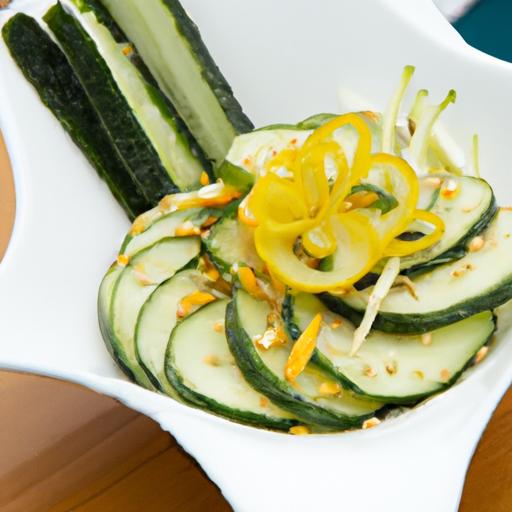

In a symphony of flavors where crispness meets tang, Korean cucumber salad emerges as a vibrant party of freshness and zest. Far beyond a simple side dish, this refreshing salad encapsulates centuries of culinary tradition, balancing bright vinegar, aromatic garlic, and a hint of sweetness to awaken the palate.
Join us as we peel back the layers of this beloved Korean classic, uncovering the secrets that make it irresistibly crisp, delightfully tangy and a perfect companion to any meal. Weather you’re a seasoned foodie or a curious newcomer, prepare to dive into the art and science behind this vivid dish that turns humble cucumbers into a harmonious taste sensation.
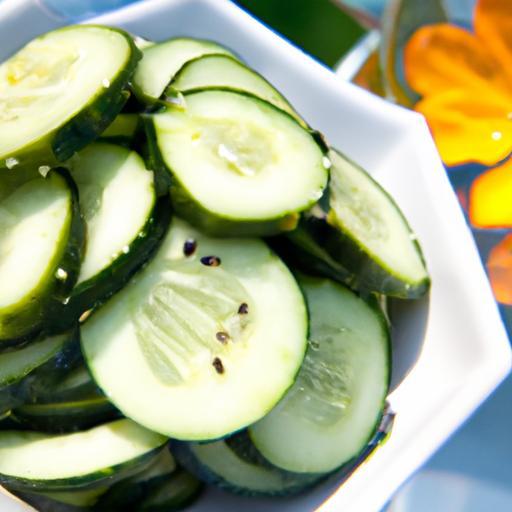
These cucumbers maintain their structure even after marinating, ensuring your salad doesn’t turn soggy. To maximize crispness, slice them uniformly, then sprinkle with a pinch of coarse salt to draw out excess water before rinsing and draining. This simple step locks in a vibrant texture that is the foundation for harmonious flavor melding.
Elevate your salad by layering essential ingredients that awaken every taste bud. A fiery combination of red chili flakes and garlic injects boldness, while a splash of rice vinegar or lemon juice adds a bright, zesty punch that enlivens the palate.
Incorporate a touch of sesame oil for nutty warmth, balanced delicately with sugar or honey to soften acidity and spice. For a tangier, more vivid flavor, try these tips:
- Substitute part of the vinegar with freshly squeezed lime or yuzu juice for citrus complexity.
- Let the salad rest in the fridge for 15-20 minutes to allow flavors to meld.
- Add julienned green onions and toasted sesame seeds for freshness and crunch.
These subtleties transform each spoonful into an exciting burst of crisp, tangy and vibrant flavors that define the iconic Korean cucumber salad experience.
Q&A
Q&A: Crisp & Tangy – Unveiling the Secrets of Korean Cucumber Salad
Q1: What makes Korean cucumber salad so uniquely crisp and tangy?
A1: Korean cucumber salad, or oi muchim is a harmonious dance of textures and flavors. The secret lies in the rapid pickling process combined with the vibrant seasonings. Cucumbers are generously salted to draw out excess moisture, ensuring a satisfying crunch. Then, they’re bathed in a lively dressing of vinegar, garlic, chili flakes, and sesame oil, culminating in that unmistakable tangy kick balanced with a subtle heat and nuttiness.
Q2: Are there specific types of cucumbers that work best for this salad?
A2: Absolutely! Korean short cucumbers are traditionally preferred for their thin skins, firm flesh, and fewer seeds, delivering an ideal texture. Though, Persian or English cucumbers are excellent substitutes both provide crispness without bitterness, making your salad refreshingly perfect.
Q3: How does the seasoning elevate the flavor profile of this salad?
A3: The seasoning is where magic unfolds. Garlic adds pungency; Gochugaru (Korean red pepper flakes) bring mild heat and a smoky undertone; sesame oil lends a toasted aroma; and sugar balances the acidity of the vinegar. Combined with a splash of soy sauce or fish sauce, these ingredients transform simple cucumbers into a symphony of zest and umami.
Q4: Is Korean cucumber salad quick to prepare, or does it need marinating time?
A4: One of the charms of oi muchim is it’s speed. After salting and briefly resting the cucumbers to release water, the seasoned dressing is tossed in immediately. While it can be enjoyed right away for maximum crispness, letting it sit for 15-30 minutes mellows the flavors and deepens the tang, perfect for those who savor a more integrated taste.
Q5: Can this salad be adapted for different dietary needs?
A5: Definitely! The base ingredients are naturally vegan and gluten-free, making it universally friendly. To customize, swap fish sauce with a dash of soy sauce or tamari for a purely plant-based version. Adjust the chili to suit your heat tolerance, and feel free to add sliced onions or radishes to add new layers of crunch and flavor.
Q6: How is Korean cucumber salad traditionally served?
A6: It’s a vibrant sidekick to virtually any Korean meal think alongside smoky grilled meats like bulgogi or spicy stews such as kimchi jjigae. Its refreshing acidity and crisp texture cleanse the palate, balancing rich and hearty dishes beautifully.
Q7: What cultural importance does oi muchim hold in Korean cuisine?
A7: Beyond its role as a banchan (side dish), oi muchim reflects Korean culinary values: harmony in flavor, respect for seasonal ingredients, and communal dining culture. Its simplicity yet depth of taste exemplify how everyday vegetables are elevated in Korean kitchens, turning humble cucumbers into a beloved table staple.
Explore the crisp and tangy world of Korean cucumber salad, and you uncover more than a dish you discover a flavorful tradition imbued with freshness, balance, and a kick of spirited zest.
Insights and Conclusions
As the refreshing crunch of Korean cucumber salad lingers on your palate, it’s clear that this humble dish is more than just a side it’s a vibrant celebration of balance, texture, and tradition. From the crisp cucumbers to the tangy, savory dressing, every bite tells a story steeped in culinary heritage and simple genius. Whether you’re seeking a quick refresher on classic flavors or an inspired addition to your meal, unraveling the secrets behind this iconic salad invites you to experience a symphony of freshness that transcends borders. So next time you crave something bright and bold, remember: sometimes, the simplest ingredients hold the most flavorful tales.