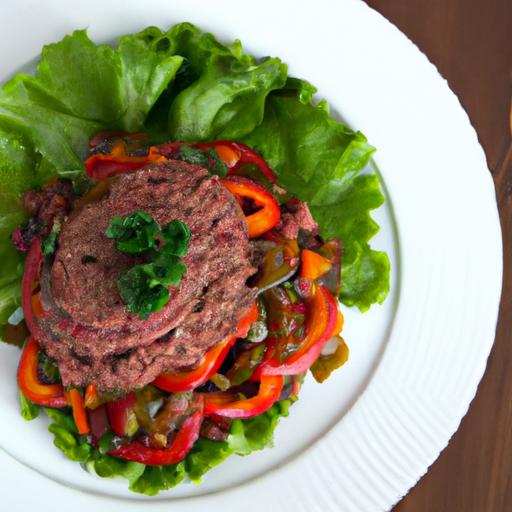

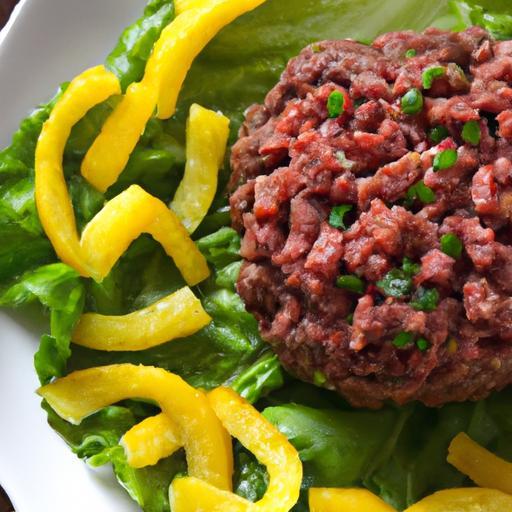
Beneath the sizzle of yoru favorite burger and the rich aroma of a hearty meat sauce lies a story as layered and complex as the flavors themselves.Ground beef, a staple in kitchens around the world, embarks on a fascinating journey from sprawling pastures to bustling butcheries before finally finding its way onto plates as mouthwatering feasts. In “Ground Beef uncovered: From Farm to Flavorful Feasts,” we peel back the curtain on every step of this journey-exploring the care behind cattle raising, the art and science of meat processing, and the culinary creativity that transforms humble ground beef into a centerpiece worthy of any table. Join us as we uncover the origins, craftsmanship, and appetizing possibilities that make ground beef a true culinary cornerstone.
Ground beef uncovered is an invitation to dive deep into the journey of this beloved ingredient-from the farm it’s raised on to the aromatic skillet sizzling in your kitchen. The secret to truly flavorful and tender dishes lies in understanding where your ground beef comes from, how its fat content shapes every bite, and how you preserve its freshness for those perfect meals. Over years of culinary exploration, sourcing ground beef straight from trusted farms has transformed my cooking, bringing rich, authentic textures and tastes that supermarket options rarely match.Let’s uncover these essentials and elevate your everyday recipes into unforgettable feasts.
Prep and Cook Time
Planning: 10 minutes
Cooking: 15 minutes
Total: 25 minutes
Yield
Serves 4 hearty portions
Difficulty Level
Easy
Ingredients
- 1 lb ground beef (80/20 lean-to-fat ratio preferred for flavor and juiciness)
- 1 medium yellow onion, finely diced
- 2 cloves garlic, minced
- 1 tsp smoked paprika
- 1/2 tsp freshly ground black pepper
- 1 tsp kosher salt
- 2 tbsp olive oil or avocado oil
- Fresh parsley for garnish (optional)
Instructions
- Heat the oil over medium heat in a heavy skillet until shimmering.
- Add the finely diced onion and sauté until soft and translucent, about 5 minutes, stirring occasionally to avoid browning excessively.
- Stir in the minced garlic and cook for 30 seconds until fragrant, careful not to burn.
- Add the ground beef, breaking it apart gently with a wooden spoon. Cook until it’s no longer pink, about 7 minutes. Resist over-stirring to allow the beef to develop a golden crust.
- season the beef with smoked paprika,salt,and black pepper. Mix thoroughly to integrate flavors.
- After the beef is cooked through, drain any excess fat if necessary, depending on your pan and fat content preferences.
- Remove from heat and let rest for a minute. garnish with freshly chopped parsley just before serving for a pop of color and freshness.
Tips for Success
- Opt for ground beef labeled 80/20-this balance offers ideal juiciness without excess grease.
- For leaner options (90/10), add a splash of beef broth or a teaspoon of olive oil during cooking to retain moisture.
- When sourcing directly from farms, ask about grass-fed vs. grain-fed beef-grass-fed tends to have a deeper, earthier flavor.
- Store ground beef in airtight containers or vacuum-sealed bags at 32-34°F (0-1°C) to maximize freshness for up to 2 days; freeze if not using within 24 hours.
- Thaw frozen beef slowly in the refrigerator overnight rather than at room temperature for safety and texture preservation.
- Enhance flavor depth by browning the meat over medium-high heat before adding aromatics, but adjust based on your recipe’s needs.
Serving Suggestions
This versatile ground beef base shines in countless dishes. Serve it spooned over a bed of creamy mashed potatoes with a drizzle of pan juices, or toss with al dente pasta, fresh herbs, and grated aged Parmesan for an easy weeknight dinner. For an extra twist, pile it into crispy taco shells with shredded lettuce, diced tomatoes, and a dollop of guacamole. A sprinkle of freshly chopped parsley or cilantro brightens every plate, while a wedge of lemon on the side can add an unexpected zing that elevates the dish.

Nutritional Data (Per Serving)
| Calories | Protein (g) | Carbs (g) | Fat (g) |
|---|---|---|---|
| 290 | 25 | 4 | 20 |
For more tips on how to create mouthwatering ground beef recipes, check out our Ultimate Ground Beef Guide. To learn more about the benefits of buying local beef, visit the USDA Local Food Directories.
Q&A
Q&A: Ground Beef Uncovered: From Farm to Flavorful Feasts
Q1: What exactly is ground beef, and how is it different from other types of beef?
A1: Ground beef is simply beef that has been finely chopped by a grinder or a food processor.Unlike whole cuts like steaks or roasts, ground beef is made from trimmings and less tender parts of the cow that are minced together. This process creates a versatile, flavorful ingredient perfect for dishes ranging from juicy burgers to hearty sauces.
Q2: Where does ground beef come from on the cow?
A2: Ground beef can come from various cuts, but common sources include chuck, round, and sirloin. Each cut offers a different balance of lean meat and fat, which impacts flavor and juiciness. For example, chuck has more fat and is grate for rich, succulent burgers, while leaner cuts like round yield a lighter texture ideal for meat sauces.
Q3: How is the quality of ground beef resolute?
A3: Quality hinges on several factors-cut selection, fat content, and freshness. Ground beef is usually labeled by its lean-to-fat ratio, like 80/20 (meaning 80% lean meat, 20% fat). A higher fat content means more flavor and moisture,while leaner options are healthier but can be drier. Additionally, fresh ground beef should be radiant red and free of any off-putting odors.
Q4: How does ground beef make its journey from farm to table?
A4: The journey starts with cattle raised on farms or ranches, where their diet and living conditions influence the meat’s flavor and quality. Once ready for market, the animals are processed at facilities where the beef is cut, ground, and packaged under strict safety standards. From there,it travels to grocery stores and restaurants,ready to star in your next meal.
Q5: What are some essential tips for cooking ground beef to maximize flavor and texture?
A5: For the best results, never overcrowd the pan to allow even browning-this caramelization brings out deep, savory notes. season early with salt and pepper, and consider adding aromatics like garlic and onions. cooking ground beef to the proper internal temperature (160°F or 71°C) ensures safety without drying out the meat. Drain excess fat if needed, but some fat remains crucial for flavor.
Q6: Are there any creative ways to use ground beef beyond the classic burger or meatloaf?
A6: Absolutely! Ground beef’s adaptability shines in global dishes like spicy chili, rich Bolognese sauce, savory stuffed peppers, or even exotic kebabs.It pairs beautifully with bold spices and fresh herbs, inviting endless culinary exploration beyond the familiar comfort foods.
Q7: how can consumers make more sustainable and ethical choices when buying ground beef?
A7: Look for labels indicating grass-fed, organic, or responsibly raised cattle to support animal welfare and environmentally friendly practices. Buying from local farms or reputable butchers can also increase transparency about sourcing. Reducing overall meat consumption while savoring thoughtfully sourced ground beef can be a delicious step toward sustainability.
Q8: What are some common misconceptions about ground beef?
A8: One myth is that ground beef is always low quality; in reality, it depends on sourcing and handling. Another is fearing that all fat is bad – in moderation, fat enhances flavor and tenderness. Lastly, some think you can’t make gourmet meals with ground beef; however, with creativity and technique, it can be the star of dishes that rival fine dining.
This Q&A peeling back the layers of ground beef reveals not just a staple ingredient,but a culinary canvas connecting farm traditions to flavorful feasts on your table.
Final thoughts
As we close the chapter on this flavorful journey from pasture to plate, it’s clear that ground beef is more than just a pantry staple-it’s a culinary canvas shaped by nature, skill, and tradition. By understanding its origins and the care it takes to transform humble cuts into mouthwatering meals, we not only deepen our appreciation but also make more informed choices every time we savor those juicy bites. So next time you enjoy a sizzling burger or a hearty meat sauce, remember the story behind the flavor-a story as rich and layered as the dish itself.