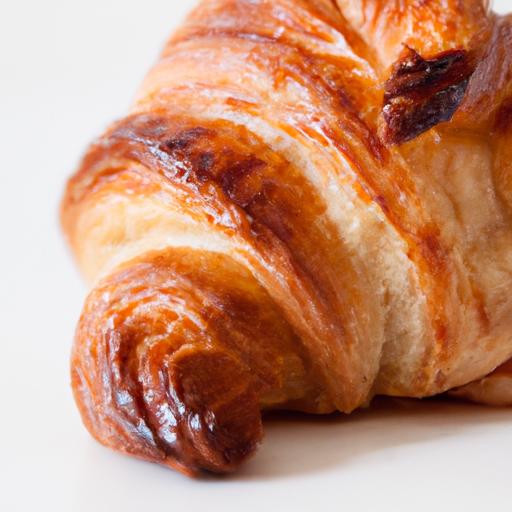

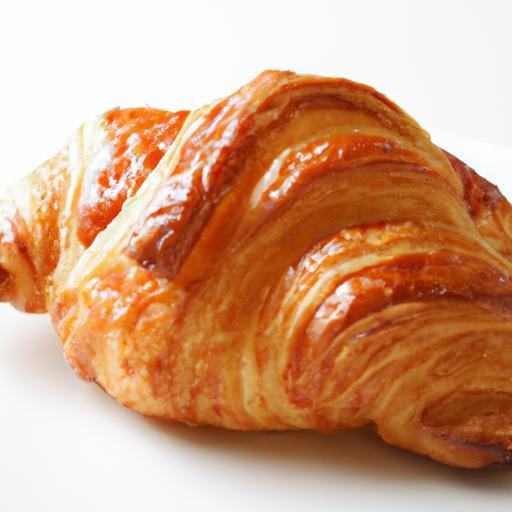
In teh world of baked wonders, few creations captivate the senses quiet like the butter croissant. Its golden, crescent-shaped silhouette hints at layers of delicate, flaky pastry that melt effortlessly on the tongue, leaving behind a whisper of buttery indulgence. But beyond its irresistible taste lies a rich tapestry of history and craftsmanship-a story that stretches from the bustling cafés of Paris to the ancient traditions that inspired its very shape.”Flaky Delight: The Art and History of the Butter Croissant” invites you on a journey through time and technique,exploring how this iconic pastry evolved from humble beginnings into a beloved symbol of culinary artistry and cultural heritage. Whether you’re a devoted foodie or an intrigued newcomer, prepare to discover the secrets behind the croissant’s irresistible allure and the masterful hands that continue to perfect its flaky magic.
Flaky Delight: The Art and History of the Butter Croissant
Flaky Delight starts with the timeless allure of the butter croissant-a pastry steeped in centuries of European tradition, celebrated for its delicate layers and buttery aroma. originating from Viennese kipferl shapes and refined with French technique, the croissant has evolved into a symbol of breakfast indulgence and artisanal pastry craftsmanship worldwide.
Origins and evolution of the Butter Croissant Through the Ages
The journey of the butter croissant is a captivating blend of geography and gastronomy. While its crescent shape pays homage to Ottoman Vienna, the delicate layering and buttery richness reflect French innovation during the 19th century.Over time, bakers perfected the rolling and folding techniques that create the intricate layers seen today. This evolution is what makes the butter croissant a benchmark of flaky perfection-a pastry that balances crispy outer shells with tender, airy interiors.
Mastering the Flake Perfecting Technique for Ultimate Texture
Achieving the quintessential buttery flake requires patience and precision. The secret lies in laminating-an exact method of folding cold butter into dough multiple times to create hundreds of paper-thin layers. Temperature control is key; keeping the dough chilled while ensuring the butter remains pliable prevents breakage or leakage. Rolling evenly and resting the dough at intervals allows gluten to relax, producing croissants that rise with a golden, crackly crust and a light, flaky crumb.
Choosing the Right Ingredients for Authentic Flavor and Aroma
Every ingredient plays a role in crafting croissants worthy of a Parisian café. Use European-style butter with a higher fat content (around 82%) for richer flavor and optimal flaking. Opt for unbleached all-purpose flour with moderate protein to develop just enough gluten without toughness. Fresh, cold whole milk and high-quality granulated sugar balance the dough’s softness and subtle sweetness. A pinch of salt enhances the dough’s overall flavor, while conventional instant yeast yields consistent rise without overpowering aromas.
Baking Tips and Serving Suggestions to Elevate Your Croissant Experience
Bring your croissants to life by preheating your oven to the perfect 375°F (190°C) and baking on a stone or heavy tray to ensure even heat distribution.Brush with an egg wash for that irresistible golden sheen and crisp crust. Serve warm to fully appreciate the layers’ melt-in-your-mouth texture. Pair with artisanal jams, creamy butter, or rich espresso for a sublime breakfast ritual. For an elegant touch, dust with powdered sugar or garnish with fresh berries to brighten the plate visually and flavorfully.
Prep and cook Time
- prep Time: 3 hours (including chilling and resting)
- Cook Time: 15-20 minutes
Yield
Makes 12 classic-size butter croissants
Difficulty Level
Advanced: Requires attention to detail, patience, and proper technique for lamination and proofing.
Ingredients
- 4 cups unbleached all-purpose flour, sifted
- 1/2 cup whole milk, cold
- 1/2 cup cold water
- 1/4 cup granulated sugar
- 2 tsp instant yeast
- 1 1/2 tsp fine sea salt
- 14 tbsp (200g) European-style unsalted butter, chilled (for dough)
- 14 tbsp (200g) European-style unsalted butter, chilled (for laminating block)
- 1 large egg (for egg wash)
instructions
- Prepare the dough: In a large mixing bowl, combine flour, sugar, salt, and instant yeast. Make sure salt and yeast do not directly contact. Add cold milk and water, mixing gently until a shaggy dough forms.
- Knead: Turn dough onto a floured surface and knead for 8-10 minutes until smooth and elastic. Shape into a ball, cover with plastic wrap, and chill for 30 minutes.
- Prepare butter block: Place laminated butter between parchment sheets and pound with a rolling pin into a 7×7 inch square. Chill until firm but pliable.
- Incorporate butter: Roll chilled dough into a 10×10 inch square and place butter block diagonally in center. Fold dough corners over the butter like an envelope, fully encasing it.
- Laminate (folding): Roll dough into a 20×10 inch rectangle. Fold into thirds (like a letter). Chill for 30 minutes. Repeat this rolling and folding two more times, chilling between turns.
- Shape croissants: Roll final dough to 1/4 inch thick and cut into 12 triangles. Stretch base slightly, roll tightly from base to tip, forming a crescent shape.
- Proof: Place croissants on parchment-lined trays, cover lightly, and proof in a warm surroundings (75-80°F) until nearly doubled, about 1.5-2 hours.
- Egg wash and bake: Preheat oven to 375°F (190°C). Whisk egg with a teaspoon of water and brush on croissants. Bake 15-20 minutes until golden and flaky.
- Cool slightly: Remove from oven and cool on racks for 10 minutes before serving to retain crispness and allow layers to set.
Tips for Success
- Keep all ingredients cold to prevent butter from melting prematurely, essential for distinct layering.
- Use a ruler to measure dough thickness and folding dimensions for uniform croissants.
- Don’t rush proofing, but avoid over-proofing; croissants should be just shy of doubling to keep structure.
- Make-ahead: Freeze shaped croissants after proofing and bake from frozen by adding 5 extra minutes to baking time.
- For vegan variations, try using a high-fat plant-based butter and substitute milk with unsweetened almond or oat milk, adjusting proofing times accordingly.
Serving Suggestions
Serve your freshly baked croissants with a small dish of artisan berry preserves or rich clotted cream. A platter of sliced seasonal fruits adds a refreshing contrast. For a savory twist, fill warm croissants with creamy brie and fresh herbs or smoked salmon and lemon-dill crème fraîche. A sprinkle of flaky sea salt atop warm croissants right out of the oven makes a delightful flavor enhancer for purists.

| Nutritional Info (per croissant) | Amount |
|---|---|
| Calories | 320 kcal |
| Protein | 6 g |
| Carbohydrates | 30 g |
| Fat | 19 g |
For more delightful French pastry techniques, explore our guide to the French Pastry Basics.For an authoritative history on croissant origins, visit the Encyclopedia Britannica.
Q&A
Q&A: Flaky Delight – The Art and History of the Butter Croissant
Q: What makes a butter croissant truly distinctive?
A: The hallmark of a butter croissant lies in its unrivaled flakiness and buttery aroma. This delicate balance is achieved through a meticulous lamination process, where layers of butter are folded into the dough multiple times, creating hundreds of paper-thin strata that puff and separate during baking. the result is a pastry that’s crisp on the outside, tender and airy within, and infused with a rich, golden butter flavor.
Q: Where did the croissant originate, and how did it become associated with French pastry?
A: Despite its firm place in French cuisine, the croissant’s roots trace back to Central Europe, inspired by the Austrian kipferl-a crescent-shaped bread dating back to at least the 13th century. The buttery, laminated version famously known today was popularized in France in the 19th century, when bakers adapted and refined the dough into the flaky masterpiece now synonymous with Parisian breakfasts.
Q: Why is the croissant shaped like a crescent?
A: The crescent shape is steeped in legend and symbolism. One popular tale recounts that bakers in Vienna crafted the pastry in the shape of a crescent to celebrate a victory over invading forces, echoing the crescent moon symbol found on the flags of their enemies. Beyond myth, the shape also allows for even cooking and an aesthetically elegant form that invites you to tear it apart layer by layer.
Q: How has the butter croissant evolved over time?
A: From a humble bread roll to a elegant art form, the croissant’s evolution reflects both culinary innovation and cultural shifts. Early versions were simpler yeast doughs, but as butter quality improved and techniques spread, bakers introduced lamination, turning croissants into an indulgence. Today, while the classic butter croissant reigns supreme, variations incorporate fillings like almond cream, chocolate, and fruit preserves-each honoring the original while adding new textures and flavors.
Q: What are the key ingredients and techniques that ensure a perfect croissant?
A: Simplicity belies the complexity here.High-quality flour, fresh yeast, cold butter, water, milk, sugar, and a pinch of salt are the foundations. The magic occurs during lamination: after mixing the dough, a thick slab of butter is enclosed and the dough is folded and rolled multiple times to build those signature layers. Temperature control is essential-keeping everything cool prevents butter from melting prematurely and ensures that flaky texture upon baking.Q: how should one best enjoy a butter croissant?
A: The ideal moment to enjoy a croissant is fresh from the oven, when the crust still crackles beneath your fingertips and the air is filled with buttery warmth. Whether savored plain, paired with a cup of rich coffee or a delicate tea, or lightly spread with jams or honey, the croissant’s layered texture and buttery taste make each bite a little moment of joy.
Q: are there any cultural rituals or traditions tied to eating croissants?
A: In France, croissants are more than food-they’re a daily ritual. Mornings often start at neighborhood boulangeries where locals pick up their croissants alongside fresh baguettes. Sharing croissants at breakfast fosters connection, a quiet moment of pleasure before the day begins. Festivals and markets also celebrate this beloved pastry, highlighting its role as a timeless symbol of French culinary heritage.
Q: Can you recommend a beginner-kind way to try making croissants at home?
A: Absolutely! Start with a reliable recipe that guides you through the lamination steps carefully-patience is key.Use cold ingredients, keep your workspace chilled, and take your time creating layers. Though it may feel daunting, the satisfaction of pulling a golden, flaky croissant from your own oven is worth every fold and turn. Many beginners find success by preparing dough the day before and allowing ample chilling time between folds.
Q: What distinguishes a butter croissant from other pastries like Danish or puff pastry treats?
A: While all involve layered doughs, the butter croissant’s defining feature is its yeast-leavened dough combined with butter lamination, giving it a unique lightness and aroma. danishes frequently enough contain richer fillings and are typically sweeter, while puff pastry lacks yeast and relies solely on steam for lift.The croissant strikes a perfect harmony between crispy layers and a tender, bread-like crumb.
Q: How has the croissant influenced modern baking trends?
A: the croissant’s iconic status has inspired a wave of inventive pastries-croissant sandwiches, “cronuts,” and hybrid treats that blend flaky croissant dough with global flavors. Its technique has elevated pastry arts worldwide, encouraging bakers to master lamination and explore texture interplay. Yet, amidst innovation, the classic butter croissant remains a touchstone of elegance and craftsmanship in baking.
Final Thoughts
From its humble origins in the bustling streets of Vienna to the iconic Parisian cafés where it became a symbol of indulgence, the butter croissant stands as a testament to the enduring allure of flaky perfection. Each delicate layer tells a story-not just of technique and patience, but of a rich cultural tapestry woven through centuries.Whether enjoyed alongside a morning espresso or savored as an afternoon treat, the croissant continues to captivate palates worldwide, inviting us to appreciate the art and history folded into every buttery, golden bite. So next time you unwrap that crescent-shaped marvel, take a moment to savor not just its flavor, but the heritage it carries-truly, a flaky delight worth celebrating.