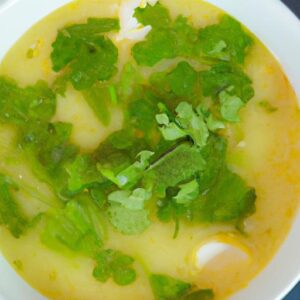

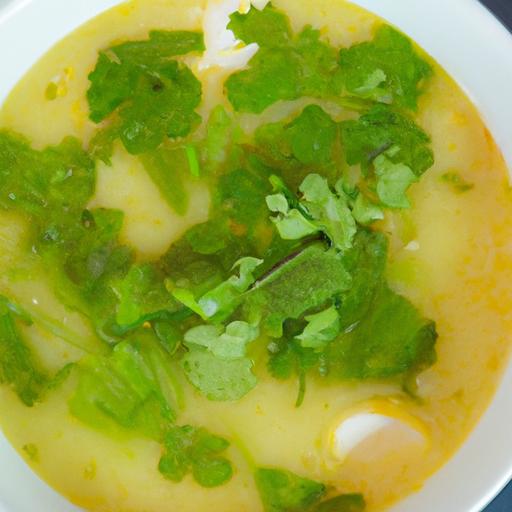
There’s a delicate magic in a bowl of egg drop soup—a dish that seems simple at first glance but unfolds layers of technique, flavor, and tradition with every spoonful.
Behind the silky ribbons of egg and the comforting broth lies a fascinating blend of culinary art and scientific precision. From the choice of stock and seasoning to the timing and temperature of the egg’s incorporation, perfecting this humble soup is a dance between intuition and understanding.
In this article, we dive into the art and science behind egg drop soup recipes, exploring how subtle variations craft vastly different experiences, and revealing the techniques that transform a basic comfort food into a masterpiece of texture and taste.
- Ginger: Adds warmth and subtle spice
- White Pepper: For gentle heat and aromatic lift
- Soy Sauce: Balances sweetness with savory depth
- Sesame Oil: Offers a nutty finish when drizzled sparingly
| Ingredient | Function | Recommended Use |
|---|---|---|
| Egg | Creates signature ribbons | Whisked, poured slowly into simmering broth |
| Chicken Broth | Flavorful base | Lightly simmered to avoid bitterness |
| White Pepper | Subtle heat | Pinch added before pouring eggs |
| Ginger | Brightens flavor | Thin slices or juice simmered briefly |
Q&A
Q&A: The Art and Science Behind Perfect Egg Drop Soup Recipes
Q1: What makes egg drop soup so uniquely simple yet comforting?
A1: Egg drop soup is a beautiful paradox—it’s one of the simplest dishes to make, yet it offers a warm, silky texture and delicate flavors that comfort the soul. The artistry lies in the perfect dance between the broth’s depth and the eggs’ tender ribbons, creating a harmony that feels effortlessly elegant.
Q2: How does the technique of adding the egg affect the final soup texture?
A2: The moment you drizzle beaten eggs into simmering broth is where science meets choreography. Pour the eggs slowly and steadily while stirring gently, and you get thin, ethereal strands that resemble delicate silk threads floating in your bowl. Pour too quickly or in a lump, and the eggs may clump into chunky curds, disrupting that smooth mouthfeel. The key is controlling heat and motion.
Q3: What role does the broth play beyond being a simple base?
A3: The broth is the soul of egg drop soup. Whether it’s a rich chicken stock, a fragrant vegetable broth, or a more nuanced seafood base, the broth dictates the flavor profile and warmth. Its umami depth balances the subtle egg ribbons, turning a modest soup into a memorable experience. A dash of soy sauce or a hint of ginger can add complexity without overpowering the delicate eggs.
Q4: Can variations in eggs themselves impact the soup?
A4: Absolutely! Freshness and quality of eggs matter—fresh eggs provide a clean flavor and create those silky strands perfectly. Some chefs separate the yolk and whites, adding them separately for texture contrast, while others whisk whole eggs for simplicity. Eggs from pasture-raised hens often bring a richer taste and vibrant color, enhancing both flavor and presentation.
Q5: Are there secret ingredients or techniques that elevate egg drop soup from good to great?
A5: The magic touches often include a splash of sesame oil for an aromatic finish, finely chopped scallions or fresh cilantro for brightness, and a whisper of white pepper for gentle heat. Some add corn kernels or tofu cubes for textural play. The science of temperature control—keeping the broth just simmering, not boiling—ensures egg ribbons set softly without toughening.
Q6: How can home cooks master egg drop soup without it turning out watery or flavorless?
A6: The trick is layering flavors—start with a well-seasoned broth, perhaps simmered longer for depth. Use the right egg-to-broth ratio so the eggs don’t overwhelm the liquid. Stir gently while adding the eggs and avoid overcooking by removing the soup from heat as soon as the eggs set. Taste and adjust seasonings patiently. Remember, simplicity is your canvas; finesse is in the details.
Q7: Why has egg drop soup endured as a beloved dish across cultures and generations?
A7: Egg drop soup endures because it embodies comfort, accessibility, and a touch of culinary sophistication all at once. It’s quick to make yet offers limitless room for creativity. Its texture and flavor evoke nostalgia in many, while its subtle elegance appeals to modern palates. It’s a humble yet profound reminder that great cooking often starts with very simple ingredients treated with care.
This Q&A encapsulates both the timeless artistry and the meticulous science behind making the perfect egg drop soup, inspiring culinary enthusiasts to embrace both creativity and technique in their kitchen adventures.
Insights and Conclusions
As we savor the delicate dance of silky egg ribbons swirling in a savory broth, it becomes clear that perfecting egg drop soup is both an art and a science. The precise timing, the balance of flavors, and the gentle technique of pouring the eggs transform a humble bowl into a comforting masterpiece.
Whether you’re a culinary novice or a seasoned chef, understanding these subtle intricacies invites you to recreate this classic with confidence and creativity. So next time you’re stirring a pot of egg drop soup, remember: each swirl holds the legacy of tradition and the promise of a warm, satisfying delight.