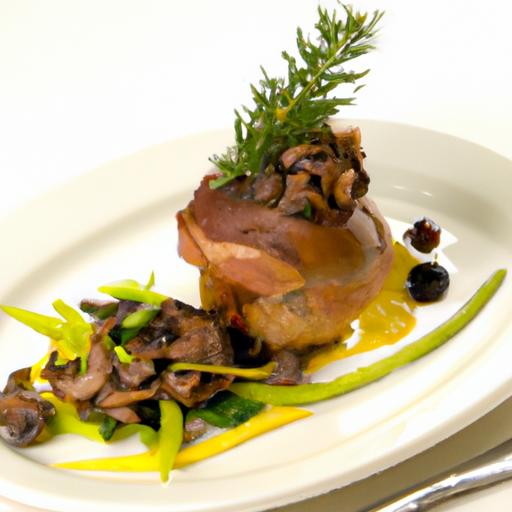

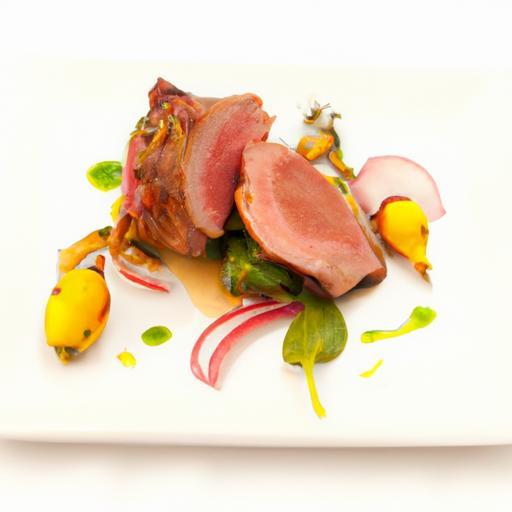
In the vast tapestry of culinary delights, poultry frequently enough takes center stage-think succulent chicken, tender turkey, and the ever-popular duck.
But lurking just beyond the familiar cluck lies a lesser-known gem that’s steadily gaining attention among adventurous food lovers: drake meat. Frequently enough overshadowed and misunderstood, drake, the mature male duck, offers a complex flavor profile that dances between the rich earthiness of game birds and the comforting warmth of customary poultry.
In this savory exploration, we peel back the layers of myth and mystery, inviting you to discover the unique qualities, cooking secrets, and cultural heritage of drake meat. Prepare to embark on a flavorful journey that will forever change your viewpoint on poultry’s untapped potential.
Nutritionally, drake stands out due to its higher fat content that contributes to a moist and tender texture, delivering a flavor profile that is both earthy and subtly sweet. this sets it apart from traditional poultry like chicken or turkey, which tend to be milder and leaner.
When preparing drake, expert chefs recommend careful selection of cuts that balance tenderness with rich fat marbling to unlock optimal taste. Techniques such as slow roasting or confit draw out savors that can only be coaxed from this distinctive meat. Consider these highlights when working with drake:
- Look for well-marbled breast and leg portions to ensure juicy results.
- Use gentle cooking methods like braising or sous-vide to preserve tenderness.
- Pair with bold accompaniments-think orange glazes, berry reductions, or spiced rubs-to complement its natural richness.
| Feature | Drake Meat | Chicken |
|---|---|---|
| Fat Content | Higher, rich and moist | Lower, leaner |
| Flavor Profile | Earthy, gamey, slightly sweet | Mild and delicate |
| Cooking Technique | Slow roasting, braising, confit | Grilling, roasting, frying |
Q&A
Q&A: Drake Meat Demystified – A Savory Look at Unique Poultry
Q1: What exactly is drake meat, and how does it differ from regular duck or chicken?
A1: Drake meat comes specifically from a male duck – hence the term “drake.” Unlike the more common female ducks or standard poultry like chicken, drakes tend to have a richer, more robust flavor and slightly firmer texture. This makes their meat uniquely savory, standing out in the poultry family with a distinctive depth that delights adventurous eaters.
Q2: Why choose drake meat over other types of poultry?
A2: Drake meat offers a flavor profile that’s deeper and more complex than chicken or even typical duck. It’s perfect for those who crave something beyond the everyday roast – think of it as the poultry equivalent of a fine red wine, with its own layered notes and savory intensity that can elevate any dish from simple to spectacular.
Q3: Is drake meat lean or fatty? How does that affect cooking?
A3: Drake meat is relatively lean but carries enough natural fat to keep it tender and moist when cooked properly. The moderate fat content contributes to its rich flavor but requires mindful cooking – slow roasting or braising works wonders, allowing the flavors to develop fully without drying out the meat.
Q4: What traditional cuisines feature drake meat?
A4: While not as widespread as chicken or common duck, drake meat has found a special place in certain cultures’ culinary traditions – especially in some Asian and European dishes. It’s prized in recipes that call for hearty, gamey poultry, frequently enough slow-cooked with aromatic spices and herbs to complement its bold character.
Q5: how can home cooks prepare drake meat to maximize flavor?
A5: Marination is key! Using acidic ingredients like citrus or wine paired with herbs such as rosemary, thyme, or star anise can tenderize and flavor the meat beautifully. cooking methods that retain moisture – like confit, roasting at moderate heat, or braising – bring out the best in drake meat, ensuring each bite is succulent and savory.
Q6: Are there any nutritional benefits to eating drake meat?
A6: Absolutely. Drake meat is rich in protein and contains crucial nutrients like iron, zinc, and B vitamins. Compared to red meat, it’s a leaner option with less saturated fat, making it both a hearty and health-conscious choice for those looking to diversify their protein intake.
Q7: Where can one source drake meat for cooking at home?
A7: Since drake meat isn’t as commonly found as chicken or female duck, specialty butcher shops, gourmet markets, or farms with heritage poultry are your best bet. Online vendors catering to game and specialty meats may also carry drake, making this unique poultry delight more accessible than ever.
Q8: Any final words of wisdom for adventurous eaters curious about drake meat?
A8: Embrace the unique! Drake meat invites you to explore the savory side of poultry with flavors that surprise and satisfy. Approach it with an open palate, thoughtful planning, and a sprinkle of culinary curiosity – you might just discover a new favorite at your table.
In Conclusion
as we close the chapter on our savory exploration of drake meat, it’s clear that this unique poultry offers more than just an unconventional choice-it presents a flavorful journey steeped in tradition and culinary curiosity.
Whether you’re a seasoned chef or an adventurous eater, understanding the nuances of drake meat opens the door to new textures, rich tastes, and imaginative cooking possibilities. So next time you’re seeking something off the beaten path, remember that drake meat is not just poultry; it’s a delicious dialogue between nature and the kitchen, waiting to be discovered bite by bite.