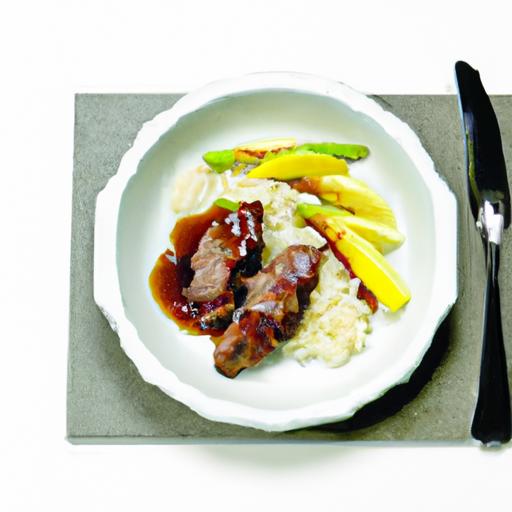

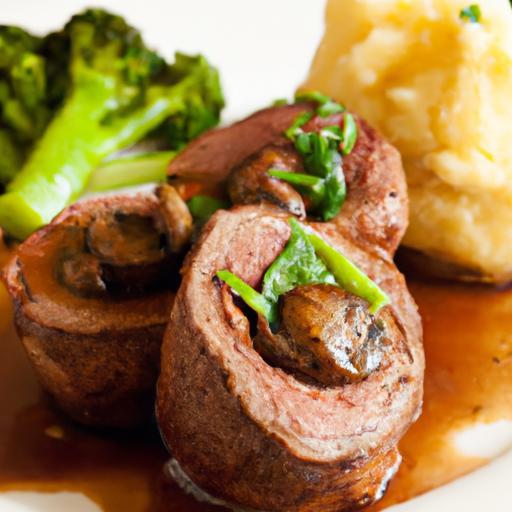
In the vast tapestry of culinary traditions, certain ingredients carry stories as rich as their flavors. drake meat, often overlooked beyond the realm of gourmet circles, beckons adventurous food lovers to discover a unique palette of taste and texture. From rustic farmsteads to contemporary kitchens, drake meat delights offer a captivating journey through history, culture, and gastronomy.
This article delves into the savory world of drake meat, unraveling its distinct flavor profiles and versatile culinary uses that promise to elevate both everyday meals and special occasions. Prepare to embark on a flavorful exploration where tradition meets innovation on your plate.
The Unique Taste Profile of Drake Meat and what Sets It Apart
drake Meat Delights introduce an extraordinary culinary experience prized for its rich, gamey flavor balanced by tender, succulent texture. Derived from mature male ducks, drake meat offers a deeper, more robust taste compared to standard duck breast, characterized by its slightly sweet, earthy undertones and a firm yet juicy mouthfeel that excites the palate. Its distinctive muscular quality demands thoughtful cooking techniques that elevate its natural allure without overwhelming the delicacy inherent to this protein.
What truly sets drake meat delights apart is the complexity of flavor, imagine a harmony of mild gaminess intertwined with subtle hints of wild herbs and natural fats that melt beautifully during cooking, providing a luscious, vibrant taste. Originating from traditional waterfowl hunting regions, this meat represents a taste of seasonal freshness and culinary craftsmanship that is gaining popular acclaim in contemporary kitchens.
Cooking Techniques to Elevate the Natural Flavors of Drake Meat
To fully appreciate the nuances of drake meat, mastering the cooking technique is essential. Slow roasting, sous vide, and pan searing are especially effective methods that coax out its depth of flavor and maintain moisture.
- Slow Roasting: Slow roasting at a moderate temperature allows the fat to render delicately, producing a crispy skin while preserving juicy flesh inside.
- Sous-Vide Cooking: Cooking drake meat sous vide at 135°F for 1.5 hours locks in juices and textures, amplifying tenderness without losing the intricate flavor profile.
- Pan-Searing: A hot, cast iron skillet brings an addictive caramelized crust, sealing in the tender interior, perfect for swift weeknight dinners.
Pair these techniques with thoughtful resting periods and light deglazing sauces to complement rather than mask the essence of drake meat delights.
Pairing Drake Meat with Complementary Herbs, Spices, and Sides
Herbs and spices have a vital role in accentuating drake meat’s bold character. The aromatic notes of fresh thyme, rosemary, and sage work brilliantly, imparting warm, savory layers. Earthy juniper berries and shining pink peppercorns add intriguing accents reminiscent of the wild origins of this dish.
When it comes to sides, roasted root vegetables such as carrots, parsnips, and beets create a natural sweetness that contrasts beautifully with the meat’s richness. A creamy parsnip purée or a tangy apple and endive salad can brighten the plate, balancing texture and flavor harmoniously.
Creative Recipes Showcasing Drake Meat in Contemporary Cuisine
One of the most inspiring dishes to present drake meat delights is a Pan Seared drake Breast with Herb Butter Sauce accompanied by Roasted Root Vegetables. The recipe below guides you through an elegant, yet approachable meal that can be enjoyed seasonally or as a centerpiece for a special occasion.
Prep and Cook Time
- Prep Time: 20 minutes
- Cook Time: 25 minutes
Yield
Serves 4
Difficulty Level
Medium
Ingredients
- 4 drake breasts, skin-on, trimmed
- 2 tbsp olive oil
- 3 tbsp unsalted butter
- 3 sprigs fresh thyme
- 2 sprigs fresh rosemary
- 2 cloves garlic, smashed
- 1 tsp crushed juniper berries
- Salt and freshly ground black pepper, to taste
- 4 medium carrots, peeled and cut into chunks
- 3 parsnips, peeled and cut into chunks
- 2 small beets, peeled and quartered
- 1 tbsp honey
- 1 tbsp apple cider vinegar
- chopped fresh parsley, for garnish
Instructions
- Prepare the root vegetables: Preheat oven to 400°F (200°C).Toss carrots, parsnips, and beets with 1 tbsp olive oil, honey, apple cider vinegar, salt, and pepper on a baking sheet. Roast for 25-30 minutes until tender and caramelized.
- Score the skin of the drake breasts: Using a sharp knife, lightly score the skin in a diamond pattern to encourage even fat rendering and a crispy finish.
- Season the drake breasts: Generously season both sides with salt, pepper, and crushed juniper berries.
- heat a heavy skillet: Warm olive oil over medium-high heat. Place drake breasts skin side down; press gently for even contact. Sear for 6-7 minutes until the skin is crisp and golden.
- flip and add aromatics: Turn the breasts over, add butter, garlic, thyme, and rosemary to the pan. Tilt the pan and spoon melted butter continuously over the meat for 3-4 minutes, basting to infuse herbs and keep it moist.
- Rest the meat: Transfer breasts to a warm plate; tent loosely with foil and rest for 5-7 minutes. This allows juices to redistribute, resulting in tender, flavorful meat.
- Plate and garnish: Arrange drake breasts alongside roasted root vegetables. Drizzle remaining pan butter and sprinkle chopped parsley for a fresh finish.
Tips for success
- Don’t overcrowd the pan: When searing, maintain space around the drake breasts for optimal crust formation and even cooking.
- Use room temperature meat: Remove drake breasts from the fridge 30 minutes before cooking to ensure even temperature and doneness.
- Experiment with spice blends: Add smoked paprika or cinnamon for a subtle exotic twist that pairs beautifully with herbs.
- Make ahead option: Roast the vegetables a day prior and gently rewarm before serving to save time on busy days.
Serving Suggestions
Serve this dish as the shining star of an autumn feast. Accompany with a light, peppery arugula salad dressed in lemon vinaigrette to brighten the plate. Garnish the drake breasts with fresh thyme sprigs and a few cracked pink peppercorns for visual appeal and subtle spice. A side of creamy cauliflower purée or wild mushroom risotto also complements the intensity of the meat perfectly.

| Nutrient | Per Serving |
|---|---|
| Calories | 420 kcal |
| Protein | 38 g |
| Carbohydrates | 18 g |
| Fat | 22 g |
For further inspiration on luxurious game dishes, explore our article on Culinary Uses of Waterfowl Meat. Additionally, for a complete guide on selecting the best fresh herbs to complement your planning, visit Serious Eats Herbs and spices Guide.
Q&A
Q&A: drake Meat Delights – Exploring Flavor and Culinary Uses
Q1: What exactly is drake meat, and how does it differ from other poultry meats?
A1: Drake meat comes from male ducks, often prized for its richer, more robust flavor compared to female ducks or common chicken. Its texture is slightly firmer, with a depth of taste that carries subtle gamey notes, making it a fascinating choice for adventurous cooks looking to elevate their poultry dishes.
Q2: How would you describe the flavor profile of drake meat?
A2: Drake meat is deep and savory, blending a mild earthiness with hints of sweetness. It has a complexity that balances nicely between tender duck breast and the more intense flavors found in wild game, offering a luscious mouthfeel and a satisfying bite.
Q3: What are some popular culinary uses for drake meat?
A3: Drake meat shines in dishes requiring slow roasting, pan searing, or smoking. Its rich flavor pairs beautifully with fruits like cherries, oranges, and figs, and also herbs such as rosemary, thyme, and sage. From hearty stews to elegant salads and crispy confit preparations, drake meat adds a gourmet twist.
Q4: Are there specific cooking techniques that bring out the best in drake meat?
A4: Indeed! To highlight its flavor and maintain tenderness, slow roasting at moderate temperatures or sous-vide cooking work wonders. Pan searing drake breasts to achieve a caramelized crust while keeping the inside juicy is a classic method. Resting the meat after cooking ensures maximum succulence.
Q5: Can drake meat be used in everyday meals, or is it reserved for special occasions?
A5: While drake meat is frequently enough associated with festive or gourmet fare due to its rich flavor, it can absolutely be incorporated into everyday dishes. Try incorporating shredded drake into sandwiches, grain bowls, or hearty soups to infuse your routines with a touch of culinary luxury.
Q6: How should drake meat be stored and handled to maintain freshness?
A6: Like all quality poultry, drake meat should be stored refrigerated at or below 40°F (4°C) and ideally used within two days of purchase. For longer storage, freezing is recommended, tightly wrapped to prevent freezer burn. Always thaw slowly in the refrigerator to keep the texture intact.
Q7: What are some complementary side dishes or flavors to serve alongside drake meat?
A7: Root vegetables like roasted carrots, parsnips, or sweet potatoes make excellent companions, absorbing the meat’s savory juices. Grain sides such as wild rice or barley provide a nutty contrast, while tangy fruit sauces or reductions add a burst of freshness that cuts through the richness.
Q8: Is drake meat a good option for health conscious eaters?
A8: Absolutely. Drake meat is a lean source of high-quality protein, rich in iron and B vitamins, essential for energy and vitality. While richer than chicken, moderate consumption as part of a balanced diet offers both nutritional benefits and indulgent flavor.
Q9: Are there regional or cultural cuisines where drake meat is traditionally used?
A9: Many cultures with a history of duck farming incorporate male duck meat into traditional dishes. For instance, parts of East Asia and Europe celebrate drake meat in festive recipes, often paired with seasonal ingredients to highlight its distinctive taste.
Q10: Any tips for beginners cooking with drake meat for the first time?
A10: Start simple: season with salt, pepper, and your favorite herbs, then pan-sear or roast gently. Keep an eye on internal temperature to avoid overcooking aim for medium rare to medium to preserve tenderness. Experiment with fruit-based sauces or glazes and see how the flavors harmonize. Most importantly, enjoy the process of unlocking something uniquely tasty!
Insights and Conclusions
as we conclude our journey into the savory world of drake meat delights, it’s clear that this unique ingredient offers a flavorful canvas for culinary creativity. From its rich, gamey notes to its tender texture, drake meat invites chefs and home cooks alike to experiment with bold spices, slow-cooked stews, or elegant roasts. Whether you’re seeking to elevate a rustic dish or simply eager to explore new tastes beyond the familiar, drake meat stands as a captivating choice that bridges tradition and innovation. So next time you’re inspired to venture off the beaten path, consider drake meat, a flavorful adventure waiting to unfold on your plate.