
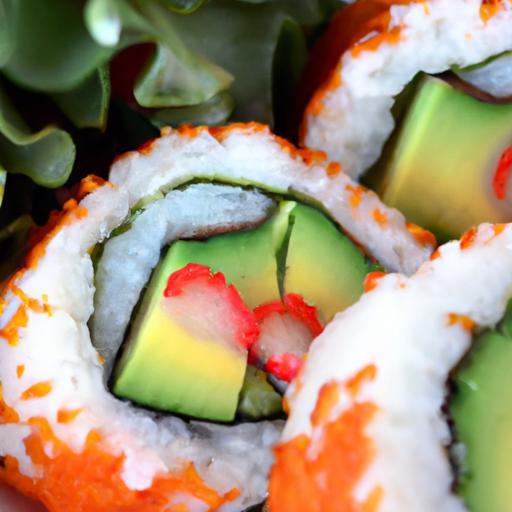
Inside the California Roll: Where Innovation Meets Deliciousness
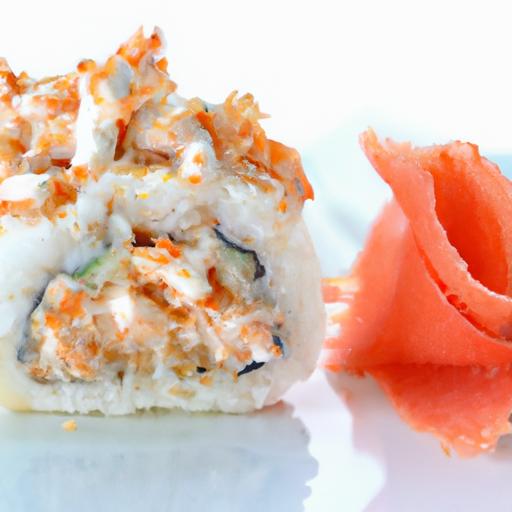
Beneath the delicate layers of vinegared rice and seaweed lies a story as rich and flavorful as the California Roll itself, a sushi creation that didn’t just revolutionize a cuisine but reshaped culinary boundaries across continents. More than a fusion of avocado, crab, and cucumber, it represents a bold, creative departure from tradition, ultimately becoming a symbol of sushi’s delicious global evolution.
This roll is more than a menu item; it’s a culinary bridge. Originating to introduce sushi to new palates, it substitutes traditional raw fish with the sweet, mild flavor of imitation crab and the creamy richness of avocado. Each bite tells a story of cultural collaboration, marrying the umami of nori and rice with the fresh crunch of cucumber and the nutty finish of sesame, proving that innovation can be both approachable and artful.
Selecting Ingredients for Authentic Flavor and Texture
The magic of a great California Roll hinges on the quality and balance of its core components. The foundation is perfectly seasoned sushi rice, short-grain rice cooked to a tender stickiness and balanced with rice vinegar, sugar, and salt. For the fillings, seek out ripe but firm avocados for creamy slices that hold their shape, and an English cucumber for its seedless, crisp texture.
While imitation crab (surimi) is the classic, accessible choice for its sweet flavor and flaky texture, using fresh, real crab meat elevates the roll to a gourmet experience. The nori (seaweed sheet) should be crisp and vibrant green, sealing all the elements together in a neat, sliceable package.
| Key Ingredient | Flavor Profile | Role in the Roll |
|---|---|---|
| Sushi Rice | Slightly sweet, tangy, sticky | The essential foundation & flavor base |
| Imitation Crab | Sweet, mild, savory | Accessible protein & tender texture |
| Avocado | Creamy, rich, buttery | Provides luxurious richness and balance |
| Cucumber | Fresh, crisp, watery | Adds a crucial crunch and refreshing contrast |
| Nori Sheet | Salty, oceanic, crisp | Holds the roll together with umami depth |
Mastering the Technique: Rolling for the Perfect Bite
The art of the roll lies in technique. Begin by spreading a thin, even layer of seasoned rice over the nori, leaving a one-inch border at the top. Arrange your fillings crab, avocado, and cucumber strips in a tight line across the center. Using a bamboo mat (makisu), lift the edge closest to you and roll it over the fillings, applying gentle, even pressure to form a tight cylinder.
Seal the roll with the bare nori border, using a dab of water to help it adhere. For cleaner slicing, let the roll rest for a minute or chill it briefly. Always use a sharp knife moistened with water to cut the roll into even, clean pieces, wiping the blade between each cut.
prep and cook Time
Prep Time: 30 minutes
Cook Time: 20 minutes (for rice)
Total Time: 50 minutes
Yield
Makes 4 rolls (24-32 pieces)
Difficulty Level
Intermediate – a rewarding introduction to sushi craftsmanship
Ingredients
-
2 cups sushi rice, rinsed until water runs clear
-
2 1/2 cups water
-
1/4 cup rice vinegar
-
2 tbsp sugar
-
1 tsp salt
-
4 sheets nori (seaweed)
-
1 ripe avocado, sliced into strips
-
1 English cucumber, julienned (seeds removed)
-
200g imitation crab sticks, or 150g fresh crab meat
-
1 tbsp toasted sesame seeds
-
Soy sauce, pickled ginger, and wasabi, for serving
Instructions
-
Cook the sushi rice according to package directions. Meanwhile, combine rice vinegar, sugar, and salt in a small saucepan over low heat, stirring until dissolved.
-
Transfer the hot cooked rice to a large, non-metallic bowl. Gently fold in the vinegar mixture with a rice paddle or spatula, fanning the rice as you mix to cool it and achieve a glossy finish.
-
Place a sheet of nori, shiny side down, on a bamboo mat. With moistened hands, spread about 3/4 cup of rice evenly over the nori, pressing gently.
-
Sprinkle with sesame seeds. Carefully flip the nori sheet so the rice is facing down on the mat.
-
Arrange crab, avocado strips, and cucumber horizontally along the center of the nori.
-
Using the bamboo mat, lift the edge and roll tightly away from you, squeezing gently to form a firm cylinder.
-
Use a sharp, wet knife to slice the roll into 6 or 8 even pieces. Repeat with remaining ingredients.
-
Serve immediately with soy sauce, pickled ginger, and wasabi.
Tips for Success
-
Moisten your hands frequently with a mix of water and a drop of rice vinegar to prevent the rice from sticking.
-
Do not overfill your roll; a moderate amount of filling ensures it closes neatly and slices cleanly.
-
For an inside-out roll (uramaki), follow step 3 but flip the nori as described in step 4.
-
A brief 10-minute chill in the refrigerator makes the roll firmer and easier to slice neatly.
-
For added flair, roll the outer rice layer in additional sesame seeds or tobiko (flying fish roe) after forming the roll.
Serving Suggestions
Serve your homemade California Rolls as the star of a sushi platter, accompanied by miso soup and a crisp, citrusy salad. For drinks, pair with a dry sake, junmai ginjo, or a light, hoppy Japanese lager. The sweet, creamy notes of the roll also pair beautifully with an off-dry Riesling or sparkling wine.
| Nutrient | Per Serving (6 pieces) |
|---|---|
| Calories | 320 kcal |
| Protein | 9 g |
| Carbohydrates | 55 g |
| Fat | 7 g |
Explore more fusion and classic sushi recipes to expand your home culinary repertoire. For more data on selecting sushi-grade ingredients and rolling techniques, visit the Fresh Food Trust.
Q&A
Q&A: Inside the California Roll – A Appetizing Sushi Revolution
Q1: What exactly is a California roll?
A1: The California roll is a type of sushi that combines vinegared rice, avocado, cucumber, and imitation crab meat, all wrapped inside out with seaweed on the inside and rice on the outside. It’s a playful twist on traditional Japanese sushi that has won hearts worldwide.
Q2: Why is the California roll considered a ”sushi revolution”?
A2: Before the California roll, sushi was frequently enough perceived as exotic and intimidating outside Japan. The roll’s inventive use of familiar ingredients and the inside-out style (uramaki) made sushi approachable and appealing to Western palates, sparking a global craze and transforming sushi culture forever.
Q3: How did the California roll come to be?
A3: While the exact origin story is debated, many credit chefs in Los Angeles during the 1960s and 70s with creating the roll. They cleverly substituted raw fish with cooked crab or imitation crab, making sushi less daunting and introducing avocado as a creamy, buttery substitute for fatty fish.
Q4: What’s so special about the inside-out technique?
A4: The inside-out roll (rice on the outside) was a groundbreaking innovation. By hiding the nori (seaweed) inside, it concealed the seaweed from sushi novices who might have been wary of its texture or taste, making the roll visually inviting and easier to eat.
Q5: How does the California roll reflect cultural fusion?
A5: The roll is a perfect example of culinary fusion blending Japanese technique with North American ingredients and tastes. It’s a delicious symbol of how food evolves, adapts, and unites diverse cultures on a single plate.
Q6: Can you make California rolls at home?
A6: Absolutely! With some sushi rice, nori sheets, fresh avocado, cucumber slices, and crab sticks, you can roll your own. Watching the rice stick to your fingers and mastering the perfect roll might take some practice, but the tasty reward is worth every effort.
Q7: What’s the future of sushi inspired by innovations like the California roll?
A7: The California roll paved the way for countless creative sushi variations think rainbow rolls, tempura rolls, and vegan versions. It taught us that sushi is a canvas, limited only by creativity and flavor curiosity, constantly evolving while honoring tradition.
Q8: Why should everyone try a California roll at least once?
A8: Because it’s more than just sushi it’s a culinary story, a bridge between cultures, and an accessible introduction to the elegant world of Japanese cuisine. Each bite is a delicious revolution that transformed the way the world eats sushi.
Insights and Conclusions
As we unwrap the layers of the California roll, we discover more than just a sushi innovation; we glimpse a cultural bridge that transformed traditional cuisine into a global favorite. This delicious revolution not only redefined what sushi could be but also opened the door to endless creativity in the culinary world. Next time you savor those creamy avocado slices and crisp cucumber wrapped in seaweed and rice, remember you’re tasting a slice of history, a testament to how food can evolve and connect us all in unexpected, flavorful ways.