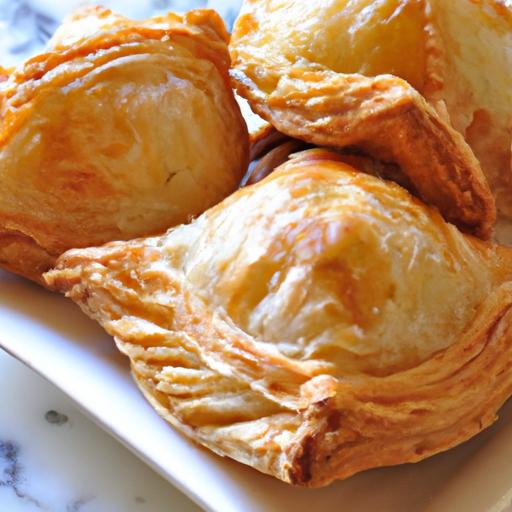

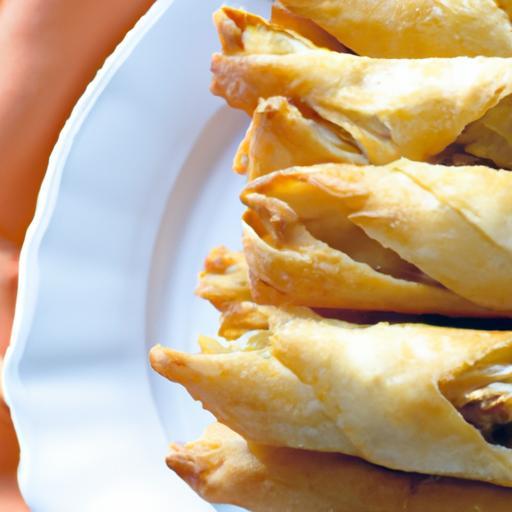
Nestled within the vibrant tapestry of Moroccan cuisine lies a culinary gem that promises a delightful dance of textures and flavors: the briouat. These crispy, golden pastries are much more than just a snack they are bite sized stories wrapped in thin sheets of dough, each filled with a harmonious blend of savory or sweet ingredients that intrigue the palate and celebrate tradition.
From bustling street markets to festive family gatherings, briouats capture the essence of Morocco’s rich cultural heritage, inviting food lovers on a sensory journey that’s as crisp as it is flavorful. In this article, we’ll unwrap the secrets behind these irresistible pastries, exploring their origins, versatile fillings, and the artful techniques that bring every bite to life.
Crafting the flawless briouat starts with mastering the art of the pastry shell a feat requiring patience and precision. The secret lies in using warqa, an ultra-thin moroccan phyllo dough, brushed lightly with olive oil or melted butter, ensuring an irresistible crispness upon frying or baking. This delicate balance creates that signature crackle that contrasts beautifully with the warm, often spiced fillings nestled inside. Achieving this artistry transforms simple ingredients into a dance of texture and flavour that intrigues every bite.
For authentic serving, consider these expert tips working like a local:
- Serve fresh and hot: Highlight that perfect crunch by presenting briouats immediately after cooking.
- Pair with Moroccan tea: The refreshing bitterness of mint tea balances the richness and spices within.
- Accompany with dips: Harissa or a mild yogurt sauce can add a complex flavor dimension.
- Arrange with care: Presentation matters stack or fan the briouats elegantly on customary platters.
| Filling Type | Common Ingredients | Typical Occasion |
|---|---|---|
| Savory Lamb | Ground lamb, almonds, cumin, coriander | Weddings, Eid |
| Vegetarian | Spiced vegetables, preserved lemon, parsley | Everyday meals, family gatherings |
| Sweet Almond | almonds, honey, cinnamon, orange blossom | Festivals, tea time |
Q&A
Q&A: Briouats Unwrapped – Morocco’s Crispy, Flavor-Packed Pastry
Q1: What exactly are briouats?
A1: Briouats are Morocco’s little culinary treasures-delightfully crispy pastries that crinkle and crackle with each bite. Think of them as golden, triangular pockets brimming with a savory or sweet surprise. Wrapped in thin warqa dough (similar to phyllo), these pastries are fried or baked to crispy perfection, delivering layers of texture and bursting with bold, aromatic flavors.
Q2: Where did briouats originate?
A2: Briouats hail from Morocco’s rich culinary landscape, particularly rooted in the coastal city of Essaouira and the vibrant street food culture of Marrakech. They embody centuries of Moroccan heritage, blending Berber, Arab, Andalusian, and Mediterranean influences into a single delicious pastry.
Q3: What fillings are typically used in briouats?
A3: Briouats showcase an notable versatility in fillings. The savory versions often feature spiced ground lamb or beef mixed with fragrant herbs, almonds, and a pinch of cinnamon or cumin. there are also chicken or seafood varieties. On the sweeter side, you might find almond paste or a delicate blend of honey, orange blossom water, and sesame seeds offering a melt in your mouth contrast to the crispy shell.
Q4: How are briouats prepared and cooked?
A4: The magic starts with warqa dough, a paper thin pastry that’s expertly folded to cradle the fillings into neat triangles or cylinders. After sealing, the briouats are traditionally deep-fried until golden and crunchy, but baking is a lighter choice that still achieves that coveted crispiness. The cooking process caramelizes the exterior, enhancing each bite with both texture and flavor.
Q5: What makes briouats different from other pastries like samosas or spring rolls?
A5: While briouats share the concept of filled, fried pastries with samosas and spring rolls, their distinctiveness lies in the Mediterranean spices, the use of warqa dough, and often the inclusion of nuts and subtle sweetness in savory versions. Briouats carry the unmistakable scent of Moroccan spices and the delicate crunch of ultra-thin pastry, setting them apart as a uniquely Moroccan delight.
Q6: When and how are briouats typically enjoyed in Morocco?
A6: Briouats are versatile served as appetizers at festive gatherings, enjoyed with mint tea during social visits, or as street food snacks that punctuate the Moroccan day. They bring peopel together around the table, combining conviviality with a taste experience that is at once humble and luxurious.
Q7: Can you make briouats at home?
A7: Absolutely! While crafting the perfect warqa dough can be an art in itself, many home cooks use phyllo pastry as a convenient substitute. With a little patience and the right blend of aromatic spices and fillings, anyone can unwrap this Moroccan treasure in their own kitchen and savor the crackling, flavor-packed bliss.
Q8: why should food lovers outside Morocco seek out briouats?
A8: Briouats are more than just pastries they’re edible stories of Moroccan culture, history, and spice laden romance. For adventurous palates, trying briouats offers a gateway to the rich tapestry of North African flavors. Crispy, aromatic, and endlessly satisfying, they’re a perfect introduction to the magic that Moroccan cuisine has to offer.
Insights and Conclusions
As the last flaky crumb of a briouat melts away, what remains is more than just an empty plate it’s a lingering invitation to explore Morocco’s rich tapestry of flavors and traditions. These little parcels of delight, crisply golden on the outside and bursting with savory or sweet fillings within, embody the moroccan spirit of hospitality and culinary artistry. Whether enjoyed as a street snack, a festive appetizer, or a comforting homemade treat, briouats offer a delicious gateway into a world where every bite tells a story. So next time you encounter this humble pastry, remember: beneath that crackling crust lies centuries of culture, passion, and flavor waiting to be unwrapped.