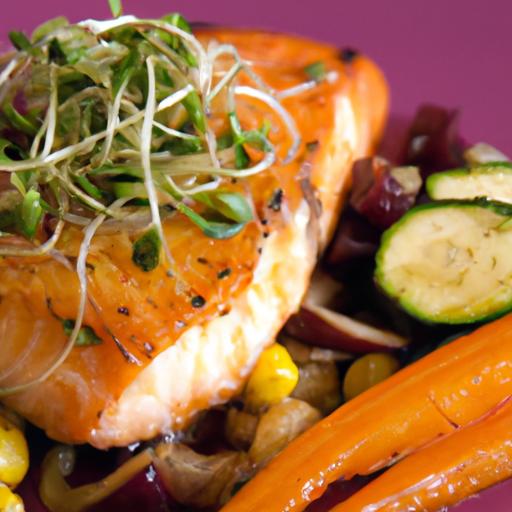

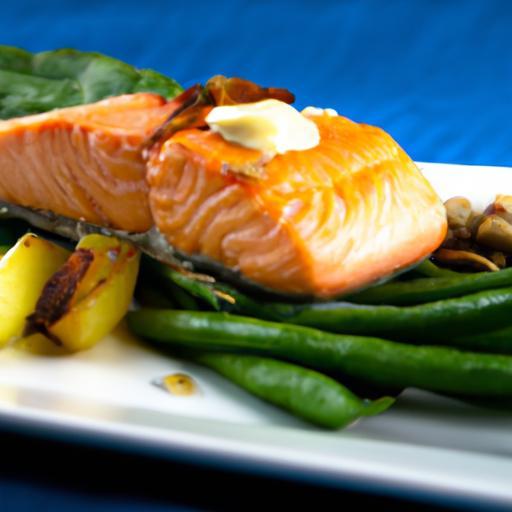
When it comes to wholesome, mouthwatering meals that effortlessly blend nutrition with gourmet flair, few dishes shine as brightly as baked salmon accompanied by a vibrant medley of roasted vegetables.
“Savor the Flavor: Baked Salmon with Roasted Veggies Delight” invites you on a culinary journey where tender, flaky fish meets the caramelized sweetness of garden fresh veggies, creating a symphony of tastes and textures that both delight the palate and nourish the body.
Whether you’re a seasoned home cook or a kitchen newcomer, this recipe promises an inviting, colorful plate that’s as beautiful as it is delicious proving that healthy eating can be an inspired, flavorful adventure.
Root vegetables like carrots and parsnips, along with tender asparagus or bell peppers, respond beautifully to high-heat roasting, developing caramelized edges and a natural sweetness.
Before roasting, toss your veggies in a blend of olive oil, fresh herbs, and a pinch of sea salt this simple seasoning unlocks layers of flavor without overpowering the fish. For seasoning the salmon itself, don’t underestimate the power of citrus zest, garlic and a touch of smoked paprika to brighten and deepen the profile.
| Salmon Variety | Flavor Profile | Recommended Cooking Tip |
|---|---|---|
| King (Chinook) | Buttery, Rich | Ideal for roasting with skin on |
| Sockeye | deep, Robust | Marinate briefly to enhance flavor |
| Coho | Mild, Delicate | Perfect for light seasoning and quick baking |
- Season veggies with rosemary and thyme for earthiness.
- Finish salmon with a squeeze of fresh lemon to brighten flavors.
- Serve on a rustic wooden board for a cozy, inviting presentation.
- Add a dollop of herb – infused crème fraiche for creaminess that contrasts with roasted crispness.
Q&A
Q&A: Savor the Flavor – Baked Salmon with Roasted Veggies Delight
Q1: What makes baked salmon such a popular choice for a healthy meal?
A1: Baked salmon is a nutritional powerhouse packed with omega- 3 fatty acids, high – quality protein, and essential vitamins like B12 and D. Its rich, buttery flavor naturally lingers on the palate without overwhelming, making it perfect for a wholesome, flavor forward dish. Plus, baking retains moisture ensuring a tender, flaky texture every time.
Q2: How do roasted vegetables complement the salmon?
A2: Roasted veggies, with their caramelized edges and earthy sweetness, bring delightful contrast and depth to the meal. Their natural sugars intensify under high heat, balancing the savory richness of the salmon. This harmony of textures and flavors transforms a simple dinner into a sensory experience.
Q3: Which vegetables work best for roasting alongside salmon?
A3: Root vegetables like carrots, sweet potatoes, and parsnips shine when roasted, offering hearty bite and sweetness. Cruciferous vegetables think broccoli, Brussels sprouts, or cauliflower add a crisp tender texture and slight bitterness, creating complexity. A medley of these brings color, nutrition, and a vibrant flavor palette to your plate.
Q4: Any tips for achieving the perfect bake on salmon?
A4: Absolutely! Start with a well seasoned fillet simple salt, pepper, and a drizzle of olive oil go a long way. Bake at around 400°F (205°C) for 12 – 15 minutes depending on thickness, until the flesh is opaque and flakes easily with a fork. Avoid overbaking to keep it moist and luscious.
Q5: Can the seasoning for salmon and veggies be customized?
A5: Definitely! While classic herbs like dill, thyme, and rosemary work beautifully, feel free to experiment with spice blends like smoked paprika, garlic powder, or even a citrus zest punch. The roasted veggies invite bold flavors maybe a sprinkle of chili flakes or a splash of balsamic vinegar to elevate the dish.
Q6: Is this dish suitable for meal prepping or entertaining guests?
A6: yes on both counts! The baked salmon with roasted veggies reheats well, making it ideal for nutritious weekday lunches. For guests, it’s a crowd – pleaser that presents beautifully with colorful veggies and flaky fish, offering an elegant yet effortlessly simple main course.
Q7: What sides or garnishes enhance this baked salmon and veggie combo?
A7: A fresh squeeze of lemon or a dollop of herbed yogurt adds brightness and creaminess. Consider serving with a side of quinoa or wild rice for a complete meal. Fresh herbs sprinkled on top bring a final aromatic flourish that ties all the flavors together.
Q8: How can beginners approach this recipe without feeling overwhelmed?
A8: Keep it simple! Use pre-cut veggies, season everything lightly and bake in one pan to minimize cleanup. Following the temperature and timing guidelines ensures success. As confidence grows, experiment with flavors and veggie combos cooking is an adventure, not a chore!
With these insights, unravel the layers of flavor in your next meal. Baked salmon paired with roasted veggies isn’t just food; it’s an invitation to savor health, comfort, and culinary joy in every bite.
Future Outlook
As the final bite lingers on your palate, the harmonious blend of tender baked salmon and vibrant roasted veggies leaves a lasting impression proof that simplicity and flavor can dance beautifully on your plate. Whether you’re seeking a nutritious weeknight dinner or an elegant dish to impress guests, this recipe invites you to savor every moment and every mouthful. So next time you crave a meal that’s as satisfying as it is indeed wholesome, remember: sometimes, the best delights come from the oven, where fresh ingredients and thoughtful readiness come together to create a symphony of taste. Ready to elevate your dinner routine? Your taste buds will thank you.