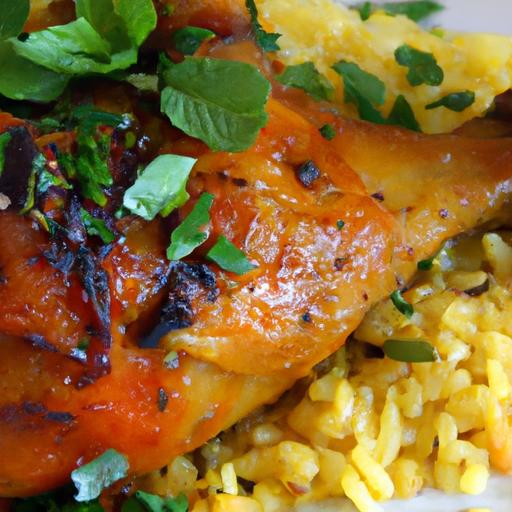

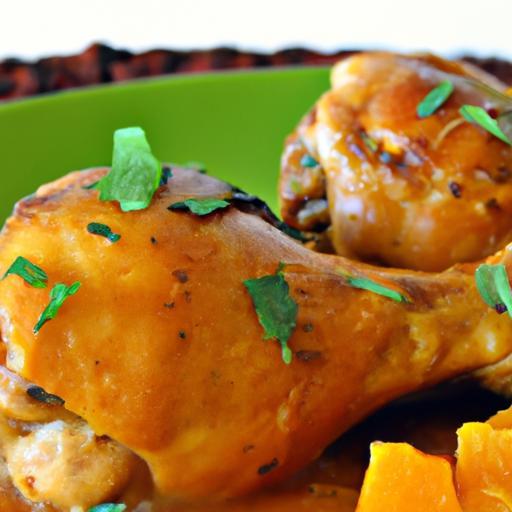
Step into a world where every bite tells a story, and aromas dance through the air like whispers of ancient traditions. Moroccan cuisine, celebrated for its vibrant spices and rich textures, invites food lovers on a culinary journey unlike any other. Among its many treasures, the authentic Moroccan chicken dish stands out, a harmonious blend of flavors that captures the heart and soul of North African cooking. In this guide, we will unravel the secrets behind this iconic recipe, revealing how to transform everyday ingredients into a feast bursting with warmth, zest, and history. Get ready to savor the flavors and bring a taste of Morocco into your kitchen.
Savor the flavors of Moroccan chicken, a dish that captures the essence of North African culinary heritage through its aromatic spices and ancient cooking traditions. This vibrant recipe is a party of jasmine scented blends like cumin, coriander, cinnamon, and smoked paprika that bring warmth and depth to tender, marinated chicken. Originating from the bustling souks and serene riads of Morocco, this dish is more than a meal, it’s an experience that transports you straight to the heart of Marrakech’s spice markets and sun soaked courtyards.
Prep and Cook Time
- Preparation: 20 minutes
- Marination: 4 hours (preferably overnight)
- Cooking: 45 minutes
Yield
Serves 4 hearty portions
Difficulty Level
Medium – Perfect for adventurous home cooks aiming to master authentic Moroccan flavors
Ingredients
- 1.5 lbs bone-in, skin-on chicken thighs
- 3 tbsp extra virgin olive oil
- 1 large onion, finely chopped
- 4 cloves garlic, minced
- 1 tbsp ground cumin
- 1 tbsp ground coriander
- 1 tsp ground cinnamon
- 2 tsp smoked paprika
- 1 tsp ground turmeric
- 1 tsp ground ginger
- 1/2 tsp cayenne pepper (adjust to your spice preference)
- Juice of one lemon (about 2 tbsp)
- 1/4 cup fresh cilantro, chopped
- 1/4 cup fresh flat-leaf parsley, chopped
- 1 cup low-sodium chicken broth
- 1 tbsp honey or date syrup
- Salt and freshly ground black pepper to taste
- Optional: Toasted slivered almonds and preserved lemon slices for garnish
Instructions
- Prepare the Marinade: In a medium bowl, combine olive oil, lemon juice, minced garlic, ground cumin, coriander, cinnamon, smoked paprika, turmeric, ginger, cayenne, salt, and pepper. Whisk until a fragrant, smooth paste forms.
- Marinate the chicken: Pat chicken thighs dry with paper towels. Submerge them thoroughly in the marinade, ensuring each piece is coated evenly. Cover and refrigerate for at least 4 hours, ideally overnight, to allow the spices to deeply infuse the meat.
- Sear the Chicken: Heat a large, heavy bottomed skillet over medium-high heat. Remove chicken from marinade, letting excess drip off (reserve marinade). Place chicken skin side down into the skillet and sauté until skin is crisp and golden brown, about 6-7 minutes. Flip and cook the other side for 3 minutes.
- Sauté Aromatics: Remove chicken briefly and set aside. In the same skillet, lower heat to medium and add chopped onion. Sauté until translucent and soft, about 5 minutes. Stir in reserved marinade and cook for 2 minutes, stirring to release the spices’ aroma.
- Simmer: Return chicken to the pan and pour in chicken broth. Add honey or date syrup for a subtle sweetness balance. Cover and simmer gently on low heat for 30 minutes, basting occasionally and ensuring chicken is cooked through and tender.
- Finish with Fresh Herbs: stir in chopped cilantro and parsley just before removing the pan from heat for a fresh, vibrant pop of color and flavor.
- Rest and Serve: Let the chicken rest for 5 minutes in the pan off the heat. Garnish with toasted almonds and preserved lemon slices if desired to add textural contrast and tangy brightness.
Tips for Success
- For the most pronounced flavor in your Moroccan chicken, marinate overnight and allow the spices to penetrate deeply.
- If you prefer a slightly spicier dish, increase the amount of cayenne pepper incrementally while adjusting to your heat tolerance.
- use bone-in, skin-on chicken thighs as they remain juicy and flavorful during slow cooking skin crisps beautifully when seared.
- Don’t skip the resting period; it helps juices redistribute, keeping the chicken moist.
- Preserved lemons elevate the dish authentically but can be omitted if unavailable use a light squeeze of fresh lemon zest rather.
- make ahead tip: This chicken improves in flavor after a day in the fridge and reheats well gently over low heat or in a covered oven dish.
Serving Suggestions
Present your Moroccan chicken alongside fluffy couscous, where the aromatic grains soak up the nuanced sauce perfectly. A side of roasted root vegetables like carrots and parsnips seasoned with cumin and coriander complements the savory spices. For added freshness, a crisp cucumber and mint yogurt salad offers a cool, tangy balance.
Garnish dramatic platters with chopped cilantro, toasted almonds, and vibrant ribbons of preserved lemon peel for the authentic Moroccan visual flair. Pair the meal with a refreshing Moroccan mint tea or a chilled, unsweetened pomegranate juice to echo the flavors and cleanse the palate.

| Nutrient | Per Serving |
|---|---|
| Calories | 380 kcal |
| Protein | 38 g |
| Carbohydrates | 8 g |
| Fat | 22 g |
For further inspiration on Moroccan cuisine, explore our Moroccan spiced roasted vegetables recipe, a perfect companion to your chicken dish.
Q&A
Q&A: Savor the Flavors: Authentic Moroccan Chicken Recipe Guide
Q1: What makes Moroccan chicken unique compared to other chicken recipes?
A: Moroccan chicken is a vibrant tapestry of bold spices and fresh ingredients. It features a masterful blend of warm spices like cumin, coriander, ginger, and cinnamon, paired with fresh herbs such as cilantro and parsley. This creates a complex, aromatic flavor profile that is both earthy and radiant far beyond your everyday roast chicken.
Q2: What spices are essential for an authentic Moroccan chicken dish?
A: The cornerstone spices include cumin, coriander, turmeric, paprika, ginger, cinnamon, and sometimes a pinch of saffron. These are often combined with fresh garlic and preserved lemons to add depth and a distinctive tang. Together, these ingredients paint the rich signature flavor Moroccan cuisine is famous for.
Q3: How do preserved lemons enhance the recipe?
A: Preserved lemons are a Moroccan pantry treasure. They offer a salty, slightly fermented citrus zing that’s unlike anything fresh lemons provide. When finely chopped and added to the chicken, they elevate the dish with a subtle brightness and a savory complexity that balances the warm spices beautifully.
Q4: Can this Moroccan chicken be cooked in different ways?
A: Absolutely! Conventional methods include slow-cooking in a tagine, which allows the flavors to meld and the chicken to become incredibly tender. Though, you can also bake, grill, or stovetop sear the chicken with the spice blend and sauce. Each method creates a slightly different texture but always keeps the essence of Moroccan flavor.
Q5: What side dishes complement Moroccan chicken best?
A: Moroccan chicken pairs wonderfully with fluffy couscous, roasted vegetables, and fresh salads with tangy dressings. For an extra touch, serve it alongside warm flatbreads that help soak up the flavorful sauce. A bowl of harissa spiced chickpeas or a simple carrot and orange salad can also add tasty contrast.
Q6: Is this recipe suitable for weeknight dinners or special occasions?
A: Both! The recipe’s flexibility and simple ingredient list make it ideal for an impressive yet manageable weeknight meal. Conversely, its exotic flavors and gorgeous presentation also make it a perfect dish to showcase at dinner parties or festive gatherings.
Q7: How can I ensure the chicken remains juicy and flavorful?
A: Marinating the chicken in the spice blend with olive oil, garlic, and lemon juice for at least an hour (or overnight if possible) is key. Slow cooking methods like using a tagine or braising help retain moisture. Additionally, basting the chicken periodically during cooking locks in juices and enriches the flavor.
Q8: Are there vegetarian alternatives inspired by this Moroccan chicken recipe?
A: Yes! You can use hearty vegetables like cauliflower, chickpeas, or sweet potatoes in place of chicken, seasoning them with the same aromatic spice blend. Roasting or slow-cooking these vegetables will infuse them with the rich Moroccan flavors, creating a delicious plant-based choice.
Q9: What kitchen tools are helpful for preparing Moroccan chicken authentically?
A: A traditional tagine is ideal but not essential. A heavy bottomed Dutch oven or deep skillet works well for slow cooking. A sharp knife for chopping preserved lemons and herbs, along with measuring spoons for spices, will help you balance the flavors just right.
With these tips and insights, you’re ready to embark on a flavorful journey through Moroccan cuisine one tender, spiced chicken dish at a time!
In Retrospect
as the last fragrant notes of cumin and saffron linger in your kitchen, you’ve not only prepared a meal, you’ve embarked on a culinary journey through the heart of Morocco. This authentic Moroccan chicken recipe invites you to savor a symphony of spices, textures, and traditions that transform simple ingredients into something remarkable. Whether you’re a seasoned cook or a curious foodie, let these flavors inspire your next dinner and bring a touch of Moroccan magic to your table.
So gather your loved ones, pour some mint tea, and relish every bite of a dish that tells a story centuries in the making. Your adventure in Moroccan cuisine has only just begun.