
Few dishes capture the vibrant spirit of Spain quite like paella, a symphony of colors, aromas, and textures that together create a feast for the senses. Whether its the briny allure of fresh seafood or the comforting heartiness of tender chicken, paella offers a flavorful journey that celebrates tradition and regional flair.
In this exploration of “Paella Perfection: Ultimate Authentic Spanish Recipe for a Delicious Flavor Feast”, we dive into the origins, cooking techniques, and distinct taste profiles that make each version a beloved masterpiece. Prepare to uncover the secrets behind this iconic dish and decide for yourself which flavorful path leads to paella perfection.
Discovering the Rich History Behind Paella’s Iconic Flavors
Paella perfection: seafood or chicken, a flavor feast originates from the sun-kissed coasts of Valencia, Spain, where humble farmers and fishermen combined local ingredients into a dish that captures the essence of Spanish culture. This vibrant recipe is more than just a meal; it’s a celebration of regional pride and culinary ingenuity. Traditionally cooked over an open fire, paella brings together a symphony of flavors, Safran’s golden allure, smoky paprika, and the briny sweetness of fresh seafood or the hearty warmth of tender chicken. Every bite evokes the bustling seaside markets and the slow, convivial meals shared under warm Mediterranean skies.
Choosing Between Seafood and Chicken Paella Ingredients for Authentic Taste
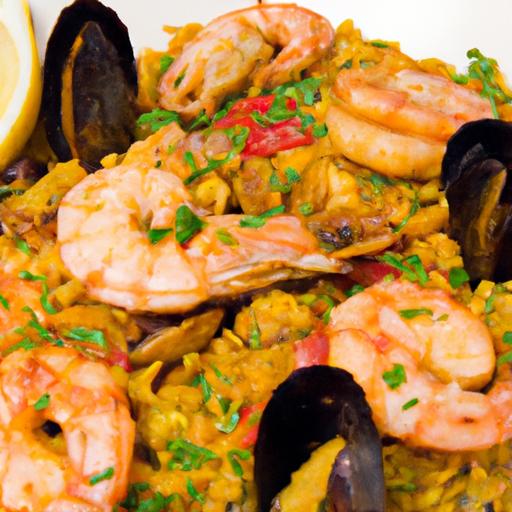
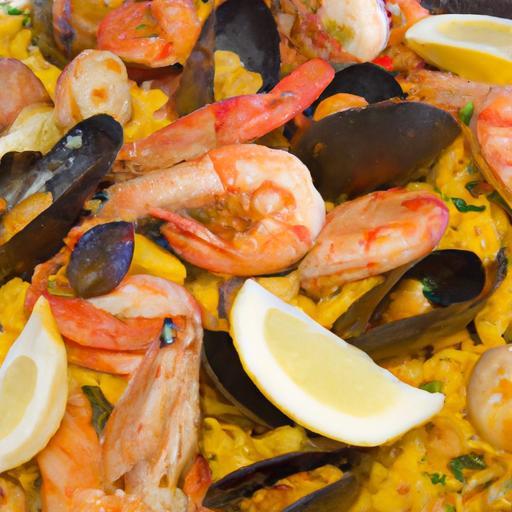
Choosing the right proteins is critical when striving for paella perfection: seafood or chicken each lend distinct personalities to the dish. Seafood paella dazzles with succulent shrimp, tender mussels, and firm calamari rings, embodying coastal freshness. Meanwhile,chicken paella revels in juicy,browned chicken thighs and earthy green peas,adding a comforting,rustic appeal. Whichever you choose, prioritize freshness and quality for an authentic flavor profile. Incorporating ingredients like smoked paprika,sweet red bell peppers,and ripe tomatoes ensures your paella pays homage to its Valencian roots.
Mastering the Art of Perfectly Balanced Paella Seasonings and Broth
At the heart of paella perfection is the broth, a deeply flavored, often golden hued elixir infused with saffron threads, garlic, and a blend of smoky and sweet spices. Achieving the ideal balance means layering tastes gently but purposefully. Start with a quality homemade or low-sodium seafood or chicken broth, then bloom the saffron in warm stock to release its hypnotic aroma and color. To ensure perfect seasoning, taste your broth before combining it with the rice. A subtle touch of smoked paprika and a kiss of lemon juice brighten the profile, ensuring every grain absorbs a complex mix of tastes that will thrill your palate.
Expert Tips for Cooking and Serving Paella like a Spanish Chef
Mastering paella perfection requires technique, patience, and the right tools. Use a wide, shallow paella pan to create the iconic socarrat, that intensely flavorful crust of toasted rice prized by aficionados. Heat control is essential: begin over medium heat to sauté proteins and vegetables, then add rice and broth without stirring, letting the rice cook evenly. Resist the urge to stir once the broth is added; this encourages a crispy bottom layer. When it’s done, allow the paella to rest for 5 minutes, covered with a clean kitchen towel, so the flavors meld beautifully.
Serve your masterpiece directly in the pan, garnished with fresh parsley, lemon wedges, and vibrant roasted red peppers. This rustic presentation invites guests to dig in with a sense of festivity and warmth, exactly how paella was meant to be enjoyed.
Prep and Cook Time
- Planning: 25 minutes
- Cooking: 40 minutes
- total Time: 1 hour 5 minutes
yield
Serves 4 generous portions
Difficulty Level
Medium – approachable for home cooks eager to elevate their skills
Ingredients
- 2 tbsp extra-virgin olive oil
- 1 lb chicken thighs, boneless and skin-on, cut into bite sized pieces
- 1/2 lb large shrimp, peeled and deveined
- 1/2 lb mussels, cleaned
- 1 cup bomba or short-grain paella rice
- 1 small onion, finely chopped
- 1 red bell pepper, sliced into thin strips
- 3 garlic cloves, minced
- 1 medium tomato, grated or finely chopped
- 1/2 cup green peas, fresh or frozen
- 4 cups low-sodium chicken or seafood broth
- 1/4 tsp saffron threads
- 1 tsp smoked paprika
- Salt and freshly ground black pepper, to taste
- Fresh parsley, chopped, for garnish
- Lemon wedges, for serving
Instructions
- Prepare the broth and saffron: Warm the broth gently in a saucepan. Add saffron threads, stirring occasionally, and let them steep for 10 minutes to release color and flavor.
- Sauté the chicken: Heat olive oil in a paella pan over medium heat. Add chicken pieces, seasoning with salt and pepper. Sauté until golden brown and cooked through, about 8 minutes. Remove and set aside.
- Cook the aromatics: In the same pan, add onion, red bell pepper, and garlic. Sauté until soft and fragrant, about 5 minutes, stirring often to prevent burning.
- add tomato and spices: Stir in grated tomato and smoked paprika. Cook until the mixture thickens slightly, about 3 minutes.
- Toast the rice: Add rice to the pan,stirring to coat grains with the tomato mixture. Allow the rice to toast gently for 2-3 minutes, absorbing the flavors.
- Combine broth and proteins: Pour in the saffron infused broth and return chicken to pan. Spread everything evenly and season with salt and pepper. Do not stir after this point.
- Simmer and develop socarrat: Cook uncovered over medium heat for 15-20 minutes, letting the rice absorb liquid. Add shrimp, mussels, and peas in the last 10 minutes. Increase heat briefly at the end to form the prized crispy bottom crust.
- Rest and garnish: Remove from heat, cover with a clean kitchen towel, and let rest for 5 minutes. Garnish with chopped parsley and lemon wedges.
Tips for Success
- Use authentic bomba or short-grain rice to ensure perfect texture and absorbency.
- For a vegetarian twist, replace chicken and seafood with artichoke hearts, roasted peppers, and green beans.
- Always avoid stirring the rice once the broth is added to promote the socarrat formation.
- Prep all ingredients before starting; paella requires attentive timing.
- Leftovers reheat well and can be enjoyed cold as tapas.
Serving Suggestions
Present your paella pan at the table for a communal dining experiance. Add vibrant lemon wedges to brighten the flavors and a sprinkle of fresh parsley for color and freshness.Pair your feast with a chilled spanish soda or sparkling water with a slice of citrus for a refreshing accompaniment. Warm rustic bread or a crisp green salad with sherry vinegar dressing round out this meal beautifully.

| Nutrient | Per Serving |
|---|---|
| Calories | 520 kcal |
| Protein | 38 g |
| Carbohydrates | 55 g |
| Fat | 12 g |
For a complementary culinary journey, explore our Classic Spanish Tapas Guide. To deepen your knowledge on saffron’s mystique and usage, visit Britannica’s saffron entry.
Q&A
Q&A: Paella Perfection: Seafood or chicken, A Flavor Feast
Q1: What makes paella such an iconic Spanish dish?
A1: Paella captures the vibrant spirit of Spain in a single pan. It combines saffron infused rice with a melange of fresh ingredients, creating a colorful and aromatic dish that’s both hearty and soulful. More than just a meal, paella is a celebration of community, frequently enough enjoyed in large gatherings and sunny outdoor settings.
Q2: How does the choice between seafood and chicken change the flavor profile?
A2: Seafood paella offers a briny, ocean-kissed freshness; succulent shrimp, tender mussels, and sweet clams mingle with the rice to create a dish bursting with coastal charm. Chicken paella, on the other hand, delivers warm, comforting notes with juicy, golden-browned chicken pieces embraced by the saffron rice, evoking rustic countryside flavors. Both options offer unique and delightful journeys for your taste buds.
Q3: what are the essential ingredients to achieve authentic paella flavor?
A3: At the heart is bomba or arborio rice, prized for its ability to soak up rich flavors without falling apart. Saffron threads lend that signature golden hue and floral aroma. fresh garlic, ripe tomatoes, sweet paprika, and smoky pimentón create the savory base, while a good quality stock whether seafood or chicken deepens the complexity, marrying all elements harmoniously.
Q4: Can you mix seafood and chicken in the same paella?
A4: Absolutely! Known as “paella mixta,” this version brings the best of both worlds. The earthiness of chicken complements the delicate sea flavors, while the rice acts as a unifying canvas. If you go this route, it’s important to layer cooking times carefully so each ingredient reaches perfect tenderness without losing its character.
Q5: What cooking techniques are key to perfecting paella?
A5: A heavy, wide pan-traditionally a “paellera” ensures even heat distribution. Sautéing ingredients in stages builds depth, while toasting the rice briefly enhances nuttiness. The defining moment is the slow simmer without stirring, allowing the rice to form the prized “socarrat”, a crispy, caramelized crust on the bottom that’s pure culinary magic.
Q6: How do you no when a paella is perfectly cooked?
A6: The rice should be tender yet firm, soaking up all the infused flavors without becoming mushy. You’ll see the beautiful golden crust sticking lightly to the bottom. The seafood ought to be juicy and just cooked through, while chicken should boast a crisped surface with juicy interior. The aroma will fill the kitchen with hints of saffron, garlic, and sea breeze or roast chicken warmth.
Q7: What accompaniments enhance the paella experience?
A7: A simple squeeze of fresh lemon brightens every bite, cutting through the richness with vibrant acidity.A crisp, chilled salad with crunchy vegetables offers refreshing contrast. Traditional sides like roasted peppers or allioli (garlic mayonnaise) add layers of texture and flavor without overshadowing the star of the plate.
Q8: Is paella suitable for special occasions or everyday meals?
A8: Both! It’s a impressive centerpiece for celebrations and gatherings, encouraging sharing and lively conversation. Yet, with a bit of practice, it can also become a comforting weekly ritual, a way to bring joy and variety to your home cooking that tastes like a festive escape to Spain.
Q9: Any tips for sourcing the best seafood and chicken for paella?
A9: Freshness reigns supreme. Choose seafood that smells like the sea clean, not fishy and buy from trusted fishmongers. For chicken, opt for free range or organic when possible, as quality meat deeply enriches the dish’s character. Proper portioning and even cooking keep each ingredient shining in the final blend.
Q10: Can paella be adapted for dietary preferences without losing its essence?
A10: Definitely. Vegetables like artichokes, bell peppers, and green beans can star in vegetarian versions, while rich vegetable stock replaces animal-based broths to maintain savory depth. The key is layering flavor thoughtfully, ensuring every bite remains vibrant and satisfying, even without chicken or seafood.
With these insights, your next paella adventure promises to be an authentic celebration of flavor, whether you dive into the sea’s bounty or savor the rustic charm of chicken. Buen provecho!
Insights and Conclusions
Whether you favor the briny embrace of seafood or the hearty comfort of chicken, paella offers a vibrant tapestry of flavors that celebrates the rich culinary heritage of Spain. Each ingredient tells a story, blending Safran’s golden warmth with the rustic charm of rice and the fresh bounty from land or sea. Embracing paella is more than just a meal, it’s an invitation to savor tradition, creativity, and togetherness in every flavorful bite. So, whether you’re crafting your own masterpiece at home or indulging in a classic recipe, remember: paella perfection lies in the joy of the feast as much as in the feast itself.