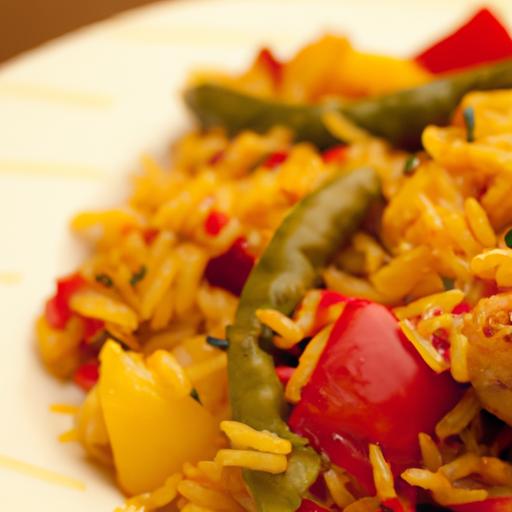

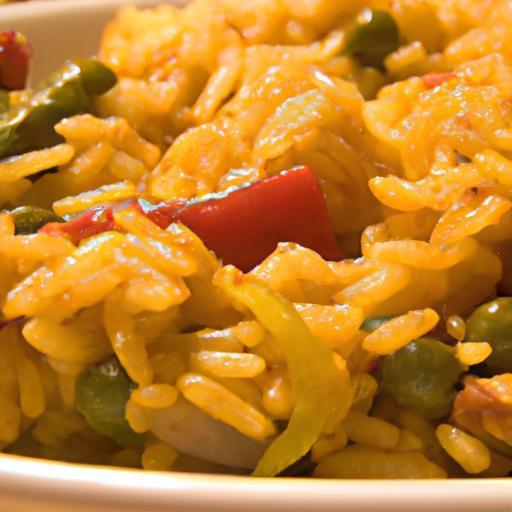
There’s something undeniably magical about a perfectly cooked bowl of Spanish rice a vibrant, fragrant symphony of tomato, garlic, and spices that transforms any meal into a festive celebration. But behind this seemingly simple side dish lies a rich tapestry of tradition, technique, and flavor that few home cooks truly unlock.
Welcome to The Ultimate Guide to Authentic Spanish Rice Recipe Magic, where we peel back the layers of this beloved classic to reveal secrets handed down through generations. Whether you’re a curious beginner or a seasoned kitchen adventurer, prepare to embark on a culinary journey that will elevate your Spanish rice from ordinary to extraordinary, turning every grain into a story worth savoring.
Spanish rice forms the heart and soul of countless Mediterranean feasts, blending vibrant aromas with rustic textures that echo centuries of culinary tradition. Unlocking the true essence of this dish starts with making informed choices about your rice and ingredients. Selecting the perfect rice is foundational: short to medium-grain varieties like Bomba or Calasparra absorb flavors uniquely, swelling yet retaining a pleasantly firm bite that defines authentic Spanish rice dishes.
Prep and Cook Time
- Planning Time: 15 minutes
- Cooking Time: 30 minutes
- Total Time: 45 minutes
Yield
Serves 4 hearty portions
Difficulty Level
Medium – perfect for cooks ready to embrace traditional techniques with confidence
Ingredients
- 1 ½ cups Bomba rice or substitute with Calasparra rice
- 3 tablespoons extra virgin olive oil
- 1 small yellow onion, finely chopped
- 2 cloves garlic, minced
- 1 medium ripe tomato, peeled and grated (or ½ cup canned crushed tomatoes)
- 4 cups rich vegetable or chicken broth, hot
- 1 teaspoon smoked Spanish paprika (pimentón)
- ½ teaspoon saffron threads, soaked in 2 tablespoons warm water
- 1 bay leaf
- Salt, to taste
- Fresh parsley, chopped, for garnish
Instructions
- Rinse the rice under cold water using a fine-mesh sieve until the water runs clear. This removes excess starch, preventing clumping while cooking.
- Heat the olive oil over medium heat in a heavy-bottomed skillet or paella pan. Add the onion and sauté until translucent and fragrant, about 5 minutes.
- Add the garlic and cook for 1 minute until aromatic, being careful not to burn it.
- Stir in the grated tomato and simmer for 3-4 minutes. This forms the sofrito base, imparting a rich, slightly sweet depth to your rice.
- Toast the rice by adding it to the pan and stirring for 2-3 minutes. The grains should look glossy and slightly translucent but not browned.
- Add the smoked paprika, bay leaf, and saffron water. Stir to evenly coat the rice, releasing the saffron’s delicate floral notes and the paprika’s warm smokiness.
- Pour in the hot broth, season with salt, and bring to a gentle boil. Reduce heat to low and simmer uncovered do not stir allowing the rice to absorb the liquid slowly.
- Cook for about 18-20 minutes until the liquid is absorbed and the rice is tender but still slightly firm to the bite.
- Remove from heat and cover the pan tightly with a clean kitchen towel or lid. Let rest for 5 minutes; this step steams the rice perfectly, finishing its moist, fluffy texture.
- fluff gently with a fork and garnish with freshly chopped parsley before serving.
Tips for Success
- Choosing rice: Using authentic Spanish rice varieties like Bomba is crucial for flavor absorption. If unavailable, Arborio can be a suitable substitute but requires careful monitoring to avoid overcooking.
- Saffron matters: Bloom your saffron in warm water before adding it to coax out its subtle aroma and color fully.
- Broth quality: Use homemade or high-quality broth for a richer depth, avoiding store bought stocks heavy with artificial flavors.
- Don’t stir: Once the broth is added, resist stirring to develop the coveted crust (socarrat) at the pan’s bottom an elemental treasure in Spanish rice cooking.
- Make-ahead: This dish is best enjoyed fresh but can be gently reheated on the stovetop with a splash of broth to restore moisture.
Serving Suggestions
This Spanish rice pairs beautifully with garlic-marinated grilled chicken or a vibrant roasted vegetable medley. For an elegant presentation, serve in a rustic clay dish, scattering fresh parsley and a wedge of lemon on the side to squeeze over the rice for a bright finish. Complement the meal with crusty bread and a fresh green salad drizzled with extra virgin olive oil.

| nutrient | Per Serving |
|---|---|
| Calories | 320 kcal |
| Protein | 7g |
| Carbohydrates | 54g |
| Fat | 7g |
For an expert’s insight into authentic Spanish ingredients and culinary roots, explore Spanish Sabores, a trusted resource for traditional Mediterranean flavors and cooking inspiration.
Q&A
Q&A: The Ultimate Guide to Authentic Spanish Rice Recipe Magic
Q1: What makes Spanish rice authentic compared to other rice dishes?
A1: Authentic Spanish rice is all about capturing the soul of Spain’s vibrant culinary traditions. It’s not just rice cooked with spices it’s a harmonious blend of saffron, smoky paprika, fresh tomatoes, garlic, and often a rich homemade broth. The magic lies in layering flavors, using quality ingredients, and achieving that perfect tender yet fluffy texture that dances on your palate.
Q2: Can I use any type of rice for authentic Spanish rice?
A2: Short to medium-grain rice varieties, like bomba or calasparra, are your best bet. These grains absorb liquid beautifully and hold their shape during the slow cooking process, preventing mushiness. Long-grain rice tends to be less forgiving and might result in a less cohesive dish.
Q3: How essential is saffron in Spanish rice, and are there any alternatives?
A3: Saffron is a hallmark of authentic Spanish rice, lending its pumpkin gold hue and subtle earthy aroma. While saffron is pricey and potent, it’s irreplaceable for true authenticity. That said, if you’re looking for budget friendly options, a pinch of smoked paprika and turmeric can provide color and smoky warmth, though the flavor profile will shift slightly.
Q4: What cooking technique brings out the best flavor in Spanish rice?
A4: Toasting the rice gently in olive oil before adding liquid unlocks a nutty depth of flavor and prevents clumping. Patience is key-adding broth gradually and simmering uncovered allows the rice to absorb the flavors evenly, developing that iconic slightly crispy bottom called “socarrat,” which is prized in Spanish cooking.
Q5: Can Spanish rice be a standalone dish or is it best as a side?
A5: Spanish rice shines in both roles. It’s a satisfying vegetarian main when loaded with fresh veggies like bell peppers, peas, and artichokes. it also complements grilled seafood, roasted chicken, or a vibrant vegetable stew beautifully, soaking up their savory juices.
Q6: Are there regional variations of Spanish rice I should know about?
A6: Absolutely! While the basics remain consistent, regions add local flair Valencia’s famous paella includes a medley of fresh seafood and green beans, Murcia’s version might incorporate almonds or apricots for a sweet twist, and Andalusia prides itself on smoky paprika and spiced vegetable medleys. Exploring these variations opens a world of appetizing possibilities.
Q7: What are common mistakes to avoid when making Spanish rice?
A7: Two common pitfalls: rushing the cooking process and over stirring. Spanish rice needs a slow simmer to absorb flavors deeply; impatience leads to undercooked grains or blandness. Also, constant stirring breaks down the rice and ruins the sought after texture and crispy bottom layer. Let the rice cook undisturbed!
Q8: How can I elevate a simple Spanish rice recipe without complicating it?
A8: Quality ingredients are your allies use a flavorful homemade vegetable broth, fresh garlic, and ripe tomatoes. Finish with a sprinkle of fresh parsley or a squeeze of lemon zest for brightness. Adding a handful of toasted almonds or a touch of smoked paprika can also amplify the dish’s depth with minimal fuss.
Q9: Is Spanish rice naturally gluten-free and suitable for special diets?
A9: Yes! Spanish rice is naturally gluten-free and can easily fit into vegetarian or vegan diets when made with vegetable broth and plant-based ingredients. It’s a wholesome, versatile dish that welcomes dietary adaptations without losing its cultural essence.
Q10: What’s the best way to serve and enjoy Spanish rice?
A10: Serve Spanish rice warm, garnished with a sprinkle of fresh herbs and a wedge of lemon on the side for a zesty finish. Pair it with crisp, seasonal salads or roasted vegetables for a colorful, balanced meal that honors tradition and satisfies modern palates alike.
Concluding Remarks
As you close this chapter on the ultimate guide to authentic Spanish rice, remember that the magic lies not just in the ingredients or the technique, but in the love and patience you bring to the pot. Each grain of perfectly cooked rice carries with it centuries of tradition, vibrant flavors, and the warmth of shared meals. Whether you’re cooking for family, friends, or simply savoring a moment of culinary adventure, this recipe invites you to connect with a rich cultural heritage one flavorful bite at a time.
So grab your saffron, embrace the sizzle of the sauté, and let your kitchen become a gateway to Spain’s sun-kissed tables. Your journey to Spanish rice mastery has only just begun. ¡Buen provecho!