
Nature’s Green Treasure: The Ultimate Guide to Avocados
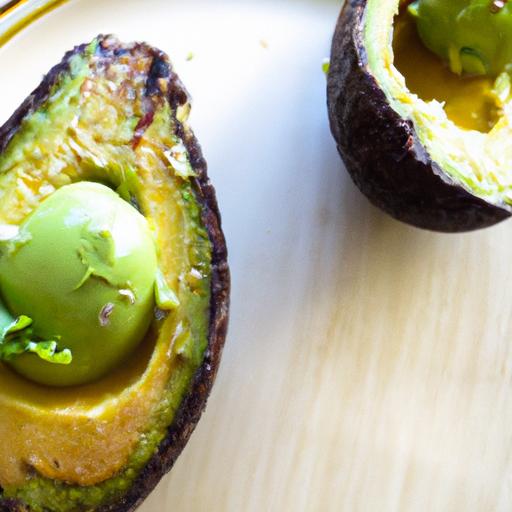
Beneath its rough, unassuming exterior lies a fruit that has captivated taste buds and health enthusiasts alike a luscious, creamy gem known as the avocado. Often hailed as nature’s green treasure, the avocado is more than just a trendy topping; it’s a marvel of the plant kingdom, bursting with versatility and a rich history that dates back to the ancient Aztecs. Join us as we peel back the layers on this captivating superfood, exploring its origins, unparalleled health benefits, and the countless ways it earns a prime spot in kitchens worldwide.
From Ancient Roots to Modern Superfood
Originating from south-central Mexico, avocados were revered by ancient civilizations as the “fertility fruit,” prized for their rich texture and sustaining properties. Today, known affectionately as the “alligator pear,” they stand apart as a nutrient-dense powerhouse. Avocados are loaded with heart-healthy monounsaturated fats, potassium, fiber, and vitamins E, K, and C. This unique composition helps regulate cholesterol, supports eye health, and provides significant anti-inflammatory benefits, making it a true cornerstone of wholesome, functional eating.
Selecting, Ripening, and Enjoying Your Avocado
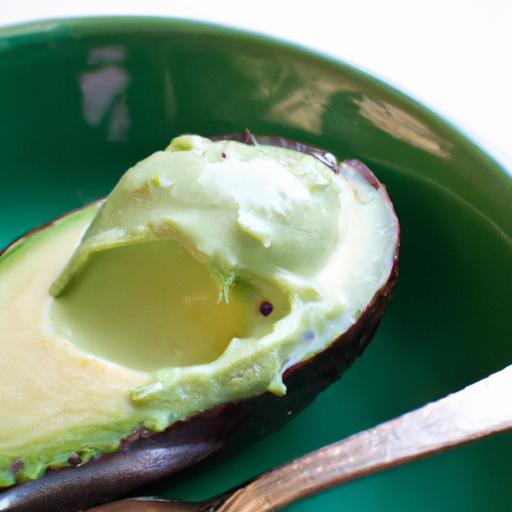
Incorporating avocados into your daily routine is as rewarding as it is simple. Begin by selecting fruit that is firm yet yields gently to pressure at the stem end. To accelerate ripening, place an avocado in a brown paper bag with a banana or apple for 24-48 hours. Once perfectly ripe, slice it in half, remove the pit, and scoop out the buttery flesh. From here, its creamy texture and mild flavor become a canvas for culinary creativity, suitable for everything from savory spreads to sweet, velvety smoothies.
prep and Use Guide
Prep Time: 5 minutes
Total Time: 5 minutes (plus ripening time)
Yield
1 avocado serves 1-2
Difficulty Level
Easy – a fundamental skill for healthy, delicious eating
Basic Preparation & Uses
-
For Toast: Mash flesh with lemon juice, salt, and pepper. Spread on artisan bread.
-
For Salads: Cube and toss into greens for a creamy contrast.
-
For Smoothies: Blend 1/2 avocado with banana, spinach, and milk for a luxuriously thick texture.
-
For Guacamole: Mash with lime, cilantro, onion, and tomato.
Instructions for Basic Preparation
-
Rinse the avocado under cool water. Place it on a cutting board.
-
Using a sharp knife, slice lengthwise around the seed until the blade meets the seed. Twist the two halves to separate.
-
To remove the seed, carefully tap the blade of your knife into the seed, twist gently, and lift it out.
-
Use a spoon to scoop the flesh from the skin in one piece, or score the flesh into cubes while still in the skin and scoop out with a spoon.
-
Immediately drizzle with citrus juice (lemon or lime) to prevent browning if not using right away.
Tips for Success
-
To test for ripeness, pop off the small stem nub. If it’s green underneath, it’s ripe. If brown, it may be overripe.
-
Save the pit! It can be sprouted in water to grow your own decorative avocado plant.
-
For chunky guacamole or salad toppings, cube the avocado with a knife. For creamy spreads, mash with a fork.
-
Balance the rich flavor with acid (citrus), salt, and spices like chili flakes or everything bagel seasoning.
-
To store a leftover half, leave the pit in, drizzle with lemon juice, press plastic wrap directly onto the surface, and refrigerate.
Creative Serving Suggestions
Elevate your avocado beyond the basics. Try it sliced on grain bowls, as a creamy base for pasta sauce, whipped into chocolate mousse, or simply sprinkled with flaky sea salt as a perfect snack. For a stunning presentation, fill halved and pitted avocados with quinoa salad, shrimp, or a poached egg.
| Nutrient | Typical Amount (per 100g) | Primary Health Benefit |
|---|---|---|
| Monounsaturated Fats | 15g | Supports heart health, reduces LDL cholesterol |
| Potassium | 485mg | Regulates blood pressure & muscle function |
| Vitamin E | 2.1mg | Provides antioxidant protection for cells |
| Dietary Fiber | 7g | Improves digestion and promotes satiety |
Explore more guides on incorporating superfoods into your daily meals. For more data on avocado varieties and sustainable sourcing, visit the Fresh Food Trust.
Q&A
Q&A: The Marvel of Avocados – Nature’s Creamy Green treasure
Q1: What makes the avocado so special among fruits?
A1: Unlike most fruits that are sweet, avocados boast a rich, buttery texture and a subtle, nutty flavor. This creamy consistency is due to their high healthy fat content, making them a unique fruit, and a beloved kitchen superstar.
Q2: Where did avocados originally come from?
A2: Avocados hail from south central Mexico, where they’ve been cultivated for thousands of years. Ancient civilizations like the Aztecs prized them not just as food, but as symbols of fertility and love.
Q3: What nutritional magic do avocados hold?
A3: Packed with heart-healthy monounsaturated fats, fiber, vitamins E, C, B6, and minerals like potassium, avocados are a nutritional powerhouse. They support everything from glowing skin to steady energy levels.
Q4: Why are avocados considered “good fats”?
A4: The fats in avocados help lower bad cholesterol and raise good cholesterol, making them an ally in cardiovascular health. unlike trans fats or saturated fats, the monounsaturated fats in avocados nourish your body without clogging arteries.
Q5: How can one tell if an avocado is perfectly ripe?
A5: Give it a gentle squeeze; a ripe avocado yields slightly to pressure without feeling mushy. Its skin often darkens from radiant green to a deeper shade, but texture and feel are the best clues.
Q6: Beyond guacamole, how can avocados be enjoyed?
A6: The culinary possibilities are endless! Slice them atop salads, blend into smoothies for creaminess, whip into dairy-free desserts, or even spread on toast with a sprinkle of chili flakes. Their versatility makes them a kitchen muse.
Q7: Are avocados sustainable and eco-friendly?
A7: While avocados are nutrient-packed, their cultivation requires notable water and land resources. Choosing avocados from responsible farms and eating seasonally can definitely help balance enjoyment with environmental mindfulness.
Q8: What’s a fun fact about avocado trees?
A8: Avocado flowers are botanically engaging, they open as female in the morning and male in the afternoon, a clever twist that encourages cross-pollination and diversity. Nature’s little green wonder has tricks up its sleeve!
Q9: Can everyone enjoy avocados?
A9: Most people benefit from including avocados in their diet, but those with latex allergies might experience sensitivities, as avocados contain similar proteins. When in doubt, consult a healthcare provider.
Q10: Why do we call avocados ”nature’s creamy green treasure”?
A10: Because beneath their rough, unassuming skin lies a luscious, nutrient-dense jewel that nourishes body and soul. Their luxurious texture and health benefits truly crown them as a gem among fruits.
to Conclude
As we close the chapter on the marvel of avocados, it’s clear that this creamy green treasure is much more than just a tasty addition to our plates. From its rich history rooted in ancient civilizations to its remarkable nutritional profile and versatile uses, the avocado stands as a testament to nature’s generosity and ingenuity.
Whether mashed, sliced, or blended, it continues to inspire chefs, nutritionists, and food lovers alike. So next time you hold that humble fruit in your hand, remember you’re savoring a true gift from the earth, one that nourishes both body and soul in the most delicious way imaginable.