
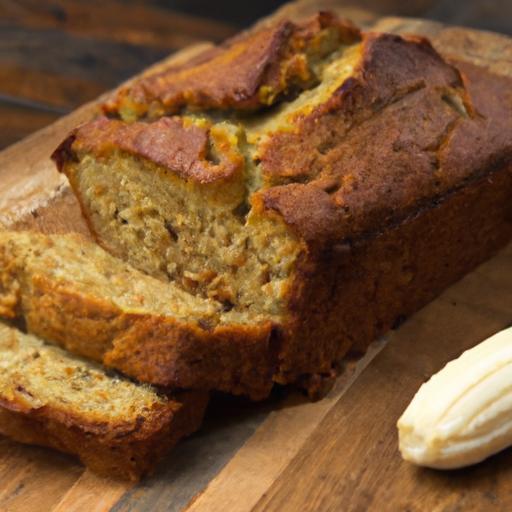
Coconut Flour Banana Bread: A Wholesome Tropical Twist
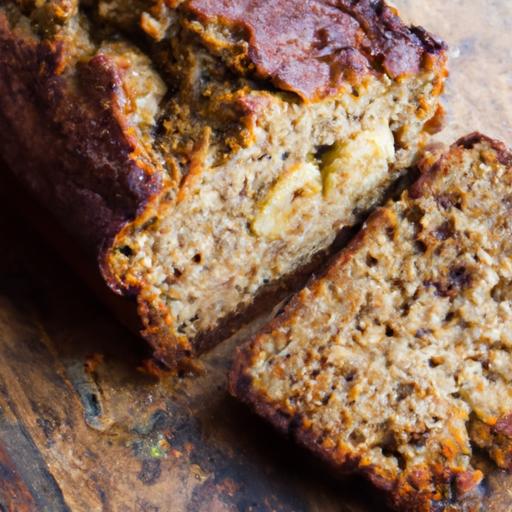
There’s something undeniably comforting about the aroma of banana bread wafting through the kitchen a warm, sweet invitation that signals homemade goodness. But what if you could indulge in this classic treat with a healthier twist? Enter coconut flour banana bread: a delightful fusion of tropical flair and nutritious baking that transforms tradition into a guilt-free delight.
This recipe is more than a simple substitution; it’s a harmonious blend where the rich, moist essence of ripe bananas meets the unique, airy texture of coconut flour. Join us as we explore how this wholesome ingredient creates a bread that is not only delicious but also rich in fiber, naturally gluten-free, and perfectly satisfying.
The Wholesome Foundation: Benefits of Baking with Coconut Flour
Coconut flour reimagines traditional banana bread as a nutrient-dense delight, offering substantial health benefits without sacrificing taste. Unlike refined wheat flour, it is rich in dietary fiber and protein, which contribute to improved digestion and lasting satiety. Its naturally low glycemic index helps maintain stable blood sugar levels, making this a smarter choice for mindful eating.
Furthermore, coconut flour is inherently gluten-free, catering seamlessly to those with sensitivities. This shift in ingredients doesn’t detract from the experience; instead, it introduces a subtly sweet, tropical nuance and a wonderfully tender crumb that elevates the entire bake.
Mastering Moisture & Flavor: The Secrets to Perfect Texture
Achieving the ideal moist yet light texture with coconut flour is a rewarding balancing act. Because it absorbs significantly more liquid than traditional flours, moisture is key. Very ripe bananas the spottier, the better are non-negotiable, providing essential natural sweetness and binding moisture.
Extra eggs are crucial for structure and richness, binding the absorbent flour into a cohesive, tender loaf. For natural sweetness and complexity without refined sugar, consider a splash of pure vanilla extract, a sprinkle of cinnamon, or a handful of chopped dates mixed into the batter before baking.
prep and cook Time
Prep Time: 15 minutes
Cook Time: 50 minutes
Total Time: 65 minutes
Yield
1 standard loaf (10 slices)
Difficulty Level
Easy – a simple, forgiving bake perfect for beginners
Ingredients
-
4 large, very ripe bananas (about 1 ½ cups mashed)
-
6 large eggs, at room temperature
-
1/2 cup coconut flour, sifted
-
1/4 cup pure maple syrup or honey
-
1/4 cup coconut oil, melted and cooled
-
1 tsp pure vanilla extract
-
1 tsp baking soda
-
1/2 tsp ground cinnamon
-
1/4 tsp sea salt
-
1/2 cup chopped walnuts or pecans (optional)
Instructions
-
Preheat your oven to 350°F (175°C). Grease a 9×5-inch loaf pan and line it with parchment paper.
-
In a large bowl, mash the ripe bananas until smooth. Whisk in the eggs, melted coconut oil, maple syrup, and vanilla extract until well combined.
-
In a separate bowl, sift together the coconut flour, baking soda, cinnamon, and salt.
-
Gently fold the dry ingredients into the wet ingredients, mixing until just combined and no dry pockets remain. Fold in the chopped nuts, if using.
-
Pour the batter into the prepared loaf pan and smooth the top with a spatula.
-
Bake for 50-60 minutes, or until the top is golden brown and a toothpick inserted into the center comes out clean.
-
Allow the bread to cool in the pan for 15 minutes, then transfer it to a wire rack to cool completely before slicing.
Tips for Success
-
Banana Ripeness is Key: Use bananas with deep brown speckles or fully browned peels for maximum sweetness and moisture.
-
Sift Your Flour: Always sift coconut flour to avoid lumps and ensure a smooth, even batter.
-
Room Temperature Ingredients: Using room-temperature eggs and melted but cooled coconut oil helps the batter emulsify properly.
-
Let it Rest: For the best texture and easiest slicing, let the bread cool completely before cutting.
-
Storage: Store wrapped tightly at room temperature for 2 days or in the refrigerator for up to 1 week.
Banana Ripeness Guide
| Ripeness Stage | Flavor Notes | Best Use |
|---|---|---|
| Yellow with Green Tips | Lightly sweet, firm | Snacks, smoothies |
| Yellow with Brown Speckles | Sweet and aromatic | Ideal for baking |
| Mostly Brown | Rich, deep sweetness | Best for super moist, intense flavor |
| Nutrient | Per Slice |
|---|---|
| Calories | 180 kcal |
| Protein | 5 g |
| Carbohydrates | 18 g |
| Fiber | 4 g |
| Fat | 10 g |
Explore more gluten-free and wholesome baking recipes for nutritious treats. For more data on alternative flours and selecting produce, visit the Fresh Food Trust.
Q&A
Q&A: Delicious Coconut flour Banana Bread – A Healthy Twist recipe
Q1: What makes coconut flour banana bread different from traditional banana bread?
A1: Unlike classic banana bread that typically relies on all-purpose flour, coconut flour banana bread uses coconut flour a gluten-free, high-fiber alternative. This swap not only adds a subtle tropical flavor but also boosts the nutritional profile by increasing fiber content and reducing carbs, making it a healthier twist without compromising on taste.
Q2: Is coconut flour banana bread suitable for people with dietary restrictions?
A2: Absolutely! Coconut flour is naturally gluten-free, making this bread a great option for those with gluten sensitivities or celiac disease. Plus, its frequently enough paired with eggs and natural sweeteners, keeping it paleo-friendly and lower in refined sugars. Just be sure to check other ingredients if you have specific allergies.
Q3: Does using coconut flour change the texture of the banana bread?
A3: Yes, coconut flour has a unique absorbent quality that results in a denser, moist crumb compared to traditional flours. This means the banana bread feels rich and almost cake like. It also requires more eggs or liquid to balance out the dryness coconut flour can introduce, so the final texture is pleasantly moist with a slight chewiness.
Q4: Can I use regular flour if I don’t have coconut flour on hand?
A4: While you can substitute regular flour, it’s best to use recipes specifically designed for that flour type. Coconut flour behaves quite differently and usually can’t be swapped 1:1 with all-purpose flour without affecting the texture and moisture. For best results, embrace the coconut flour’s quirks it’s part of what makes this banana bread special!
Q5: How ripe should the bananas be for this recipe?
A5: The riper, the better! Overripe bananas those with brown spots or even a few black areas are perfect as they’re sweeter and more fragrant. Their natural sugars enhance the flavor and moisture, which is especially crucial as coconut flour can absorb moisture quickly.
Q6: Can this coconut flour banana bread be made vegan?
A6: Yes, but it requires some smart swaps. As eggs are essential for binding in coconut flour recipes, the best vegan substitutes include flax eggs (1 tablespoon ground flaxseed + 3 tablespoons water per egg) or chia eggs. Keep in mind that texture might be slightly different but still delicious!
Q7: What are some fun add-ins to elevate the coconut flour banana bread?
A7: The possibilities are endless! consider mixing in chopped nuts like walnuts or pecans for crunch, dark chocolate chips for a touch of indulgence, shredded coconut for extra texture, or even a sprinkle of cinnamon and nutmeg for warmth. These add-ins complement the tropical flavor and add exciting layers to each bite.
Q8: How should I store coconut flour banana bread?
A8: Store it tightly wrapped at room temperature for up to 3 days, or refrigerate to keep it fresh for about a week. Since it has a moist crumb, refrigerating helps prevent spoilage. You can also freeze slices for up to 3 months just thaw and warm gently before enjoying!
Q9: Is coconut flour banana bread a good choice for breakfast or snacks?
A9: Definitely! Its wholesome ingredients make it a nourishing start to the day or a satisfying midday treat. Paired with a dollop of yogurt, nut butter, or fresh fruit, it balances carbs, fiber, and protein for sustained energy without a sugar crash.
Q10: What’s the secret tip for baking the perfect coconut flour banana bread?
A10: Patience and precision! Because coconut flour absorbs so much moisture, measuring your ingredients carefully is key. Also, don’t skip letting the batter rest for a few minutes before baking it allows the flour to fully hydrate, resulting in a tender, cohesive loaf. And don’t overbake! Keep an eye on it, as it can dry out quickly if left too long.
In Summary
In the world of wholesome baking, this delicious coconut flour banana bread stands out as a delightful fusion of health and flavor. By embracing coconut flour’s unique texture and the natural sweetness of ripe bananas, you create a loaf that’s not only nourishing but irresistibly tasty. Whether you’re seeking a gluten-free alternative or simply aiming to add a nutritious twist to your baking repertoire, this recipe offers a perfect balance of indulgence and wellness. So next time you’re craving a slice of comfort, remember that good for you doesn’t have to mean good for gone grab your ingredients, and let this coconut flour banana bread redefine what healthy baking can taste like.