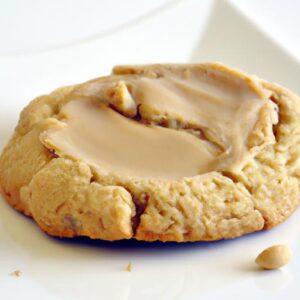

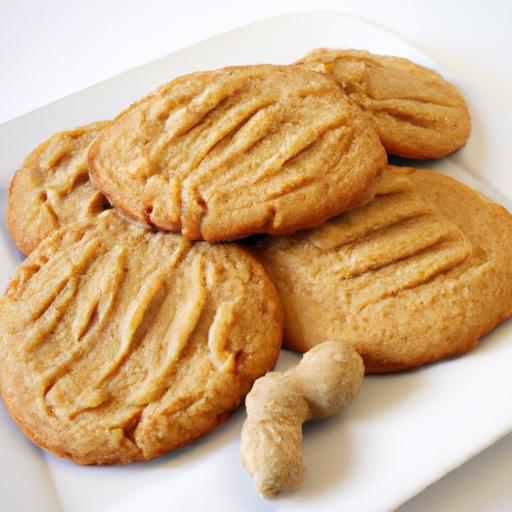
There’s a comforting magic in biting into a freshly baked peanut butter cookie one that strikes the perfect balance between tender softness and that signature, nutty richness. But behind this simple pleasure lies a captivating interplay of ingredients and techniques, a scientific dance that transforms humble pantry staples into melt-in-your-mouth marvels.
In this article, we’ll unravel the sweet science behind perfectly soft peanut butter cookies, exploring how chemistry and culinary craftsmanship combine to create cookies that are as delightfully soft as they are irresistibly flavorful.
Weather you’re a seasoned baker or a curious kitchen novice, understanding these secrets will elevate your baking from good to unforgettable.
Choosing the right flour type and nail biting precision with baking times can transform your cookie game. Opting for all purpose flour provides enough structure without overwhelming chewiness, while a small mix of cake flour introduces tenderness due to its lower protein content.
Meanwhile, baking cookies until the edges are just set but centers remain soft unlocks a perfect texture overbaking causes dryness, and underbaking leads to collapse.
Consider these pro tips for storing and serving:
- Store in an airtight container with a slice of bread to keep them moist
- Warm cookies slightly before serving to revive softness and aroma
- Freeze dough balls to bake fresh batches anytime, preserving impeccable texture
Q&A
Q&A: the Sweet Science Behind Perfectly soft Peanut Butter Cookies
Q1: What makes a peanut butter cookie irresistibly soft compared to a crunchy one?
A1: At the heart of softness lies the balance of moisture and fat. Peanut butter, rich in natural oils and proteins, acts like a tenderizer. When combined with the right amount of brown sugar which retains moisture better than white sugar due to its molasses content the dough stays delightfully soft during baking. Overmixing or baking too long, however, tips the scale toward crunchiness, so timing and technique are crucial.
Q2: How does the type of peanut butter influence cookie texture?
A2: Creamy peanut butter provides a smooth fat distribution, resulting in a tender crumb. Chunky styles add texture but can interrupt uniform softness. Additionally, natural peanut butter with higher oil content may create a moister, softer cookie, but requires slight adjustments in flour or baking time to prevent spreading too much.
Q3: Why is brown sugar preferred for soft peanut butter cookies?
A3: Brown sugar’s molasses content not only imparts a richer flavor but also locks in moisture. This hygroscopic (water attracting) quality helps the cookies stay moist and chewy longer after baking a key ingredient secret for soft centered cookies that don’t dry out or harden too quickly.
Q4: What role do eggs play in achieving softness?
A4: Eggs act as both binders and moisture providers. The yolk’s fat contributes richness and tenderness, while the whites provide structure. Using the whole egg ensures the cookie holds together without becoming cakey, maintaining that perfect balance between soft and structured.
Q5: Can flour choice affect the softness of peanut butter cookies?
A5: Absolutely. Using all purpose flour is standard, but swapping a portion for cake flour, which has less protein, results in a softer, lighter texture. The lower gluten content means less chewiness and more melt-in-your-mouth softness.
Q6: Does chilling the dough help in softening the cookie?
A6: Yes! Chilling allows the fats to solidify, preventing cookies from spreading too thin and becoming crisp. It also lets the flour hydrate fully, which promotes a tender bite. Overnight chilling is a baker’s secret to round, soft and flavorful peanut butter cookies.
Q7: How important is the baking time and temperature?
A7: Precision is everything. Baking at a slightly lower temperature for a bit longer ensures the cookie sets around the edges while remaining soft in the center. Pulling cookies out right as they start to turn golden even if they seem slightly underbaked is the trick. They’ll finish cooking as they cool, preserving a luscious softness.
Q8: Are there any nifty ingredient additions that enhance softness?
A8: A splash of cream or a tablespoon of honey can add moisture and aid softness. Some bakers also swear by adding corn starch, which tenderizes by interfering with gluten formation. these tweaks subtly transform the texture without stealing spotlight from the classic peanut butter flavor.
Soft peanut butter cookies are more than just a sweet treat they’re a delicate symphony of chemistry and craftsmanship. Understanding the science behind each ingredient and step unlocks the magic, turning simple dough into delectably soft, melt-in-your-mouth cookies every single time.
Future Outlook
the secret to irresistibly soft peanut butter cookies lies not just in the ingredients, but in the science behind their textures and transformations. From the precise dance of fats and sugars to the magical role of baking time and temperature, each step crafts a cookie that melts gently on your tongue. Understanding these sweet scientific nuances empowers you to bake with confidence, turning simple pantry staples into comforting bites of perfection. So next time you reach for that creamy jar, remember: there’s a little chemistry happening in every soft, chewy, peanut buttery morsel inviting you to savor both the flavor and the fascinating science behind it.