
From Pasture to Pan: The Journey of Ground Beef
Beneath the sizzle of your favorite burger and the comforting aroma of a hearty meat sauce lies a journey often overlooked: the story of ground beef. From sprawling pastures where cattle graze to the careful hands that transform choice cuts into versatile morsels, this ingredient is more than a kitchen staple, it’s a culinary cornerstone woven into the fabric of countless cultures and cuisines.
This exploration peels back the layers of ground beef’s path, revealing the art of selection, the science of flavor, and the techniques that unlock its full potential. Whether you’re a curious foodie or a home cook seeking to deepen your understanding, join us as we uncover the fascinating journey of one of the world’s most beloved proteins, transforming simple ground beef into extraordinary meals.
Selecting the Perfect Grind: A Guide to Cuts and Quality
The journey to a remarkable dish begins at the selection stage, where understanding cuts and labels is paramount. The fat content, indicated as a lean-to-fat ratio, is the cornerstone of flavor and texture. Rich, robust chuck (often 80/20) delivers unparalleled juiciness for burgers and meatloaf, while leaner sirloin or round (90/10 or leaner) offers a balanced profile for tacos and chili.
Beyond the percentage, sourcing matters. Look for labels indicating grass-fed or ethically raised beef, which speak to responsible stewardship and often result in a more complex, mineral-rich flavor profile. The color should be a bright, cherry red, a sign of freshness and proper packaging from pasture to package.
Mastering the Art of Cooking: Techniques for Maximum Flavor
Transforming ground beef from simple to sublime hinges on mastering a few key techniques. For dishes where distinct texture is desired, such as chili or Bolognese, use a wooden spoon to break the meat into small crumbles and employ a slow, patient simmer to meld flavors and tenderize the protein.
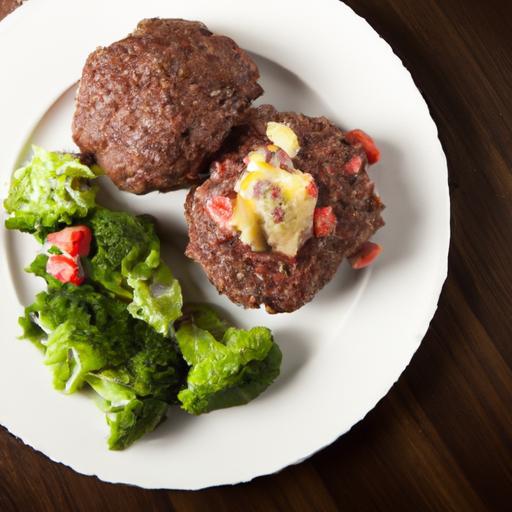
For succulent burgers or meatballs, handle the meat minimally to avoid a dense, tough texture, and employ high-heat searing to create a flavorful, caramelized crust that locks in juices. Understanding how to manage fat, whether draining some for leanness or retaining it for richness, is the final step in tailoring the ingredient to your culinary vision.
prep and cook Time
Prep Time: 5 minutes (for basic preparation)
Cook Time: 10-15 minutes (for browning/searing)
Total Time: Varies by recipe
Yield
Variable (1 lb typically serves 3-4)
Difficulty Level
Easy – a fundamental skill for every home cook
Ingredients
(For a Basic Seasoned Browned Beef Foundation)
-
1 lb ground beef (chuck, sirloin, or round as preferred)
-
1 tsp kosher salt
-
1/2 tsp freshly ground black pepper
-
1 tbsp neutral oil (if using very lean beef)
Instructions for Perfectly Browned Ground Beef
-
Heat a heavy skillet (cast iron or stainless steel) over medium-high heat. If using very lean beef, add the oil to the pan.
-
While the pan heats, break the ground beef into large chunks and place it in the hot skillet. Season with salt and pepper.
-
Allow the meat to sear undisturbed for 1-2 minutes to develop a brown crust. Then, use a wooden spoon to break it into your desired crumble size.
-
Continue cooking, stirring occasionally, until all the meat is browned and no pink remains, about 5-7 minutes.
-
For recipes requiring less fat, carefully drain the excess grease from the skillet before proceeding.
Tips for Success & Fat Content Guide
-
For Optimal Freshness: Store raw ground beef in the coldest part of your refrigerator and use within 1-2 days of purchase, or freeze immediately in airtight, portioned packages.
-
Thawing: Always thaw frozen ground beef in the refrigerator, never at room temperature, to maintain safety and texture.
-
Flavor Boost: After draining fat, deglaze the hot pan with a splash of broth, wine, or water, scraping up the flavorful browned bits (fond) to incorporate into your dish.
| Fat Content | Best Use | Flavor Profile |
|---|---|---|
| 80% Lean / 20% Fat | Burgers, Meatloaf, Meatballs | Rich, Juicy, Robust |
| 90% Lean / 10% Fat | Tacos, Chili, Stuffed Peppers | Balanced, Tender, Versatile |
| 95% Lean / 5% Fat | Sauces, “Health-Conscious” Recipes | Mild, Lean, Clean |
Serving Suggestions
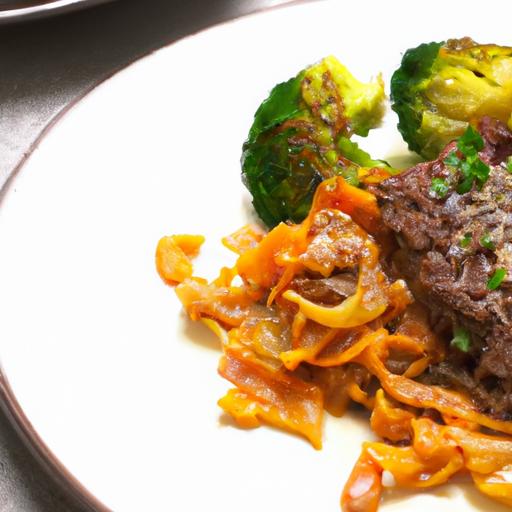
This perfectly browned ground beef forms the foundation for a world of dishes. Use it to craft a classic spaghetti Bolognese, fill crispy tacos with your favorite toppings, or build a comforting, layered lasagna. For a lighter take, incorporate it into a vibrant lettuce wrap or a stuffed bell pepper.
| Nutrient | Per 3oz Cooked Serving (85g Lean) |
|---|---|
| Calories | 210 kcal |
| Protein | 22 g |
| Fat | 13 g |
| Saturated Fat | 5 g |
Explore more recipes that showcase the versatility of ground beef for weeknight dinners. For more data on ethical sourcing and beef production, visit the Fresh Food Trust.
Q&A
Q&A: Ground Beef Uncovered – From Farm to Flavorful Feasts
Q1: Where does ground beef actually come from?
A1: Ground beef’s journey begins on the farm, where cattle are raised with care. Once they reach maturity, the cattle are processed, and various cuts of beef are ground together to create that versatile, flavorful staple we love. It’s a symphony of muscles, fat, and connective tissue blending into one.
Q2: Is all ground beef created equal?
A2: Not quite! Ground beef varies by fat content and cut. You might see lean (90% lean or higher), regular (around 70-80%), or even extra lean varieties. Each type carries a different flavor and cooking quality think of it as a palette of taste and texture to suit every recipe’s needs.
Q3: How does the fat content affect cooking?
A3: Fat is flavor’s best friend. Higher fat content means juicier, richer ground beef that holds up well in burgers and meatballs. Leaner varieties cook faster and boldly, great for sauces and stir-fries, but can dry out if overcooked. Balancing fat content is your secret weapon for a perfect dish.
Q4: What safety tips should I keep in mind?
A4: Ground beef requires careful handling because grinding increases surface area, inviting bacteria to multiply. Always cook it to an internal temperature of 160°F (71°C), store it promptly in the fridge or freezer, and avoid cross contamination in the kitchen. Safety first for a happy, healthy feast!
Q5: Can ground beef be sustainable and ethical?
A5: Absolutely! More farms are embracing grass-fed practices, regenerative agriculture, and humane treatment of animals. Choosing ground beef labeled organic, grass-fed, or from local farms supports sustainability and animal welfare while delivering a naturally rich flavor.
Q6: How can I elevate simple ground beef dishes?
A6: Think beyond salt and pepper. Fresh herbs, spices like smoked paprika or cumin, and a splash of Worcestershire sauce can deepen flavor. Experiment with cooking techniques browning slowly for caramelization or adding it into layered casseroles to transform humble ground beef into a culinary superstar.
Q7: What culinary traditions showcase ground beef at its finest?
A7: Ground beef stars in countless global dishes from Italian Bolognese bubbling with tomato and wine to Middle Eastern kofta bursting with spices, and classic American cheeseburgers sizzling on the grill. Each cuisine tells its own story of how this versatile ingredient embodies cultural flavor and comfort.
Q8: Why does ground beef have such universal appeal?
A8: its versatility is unmatched ground beef adapts to nearly any recipe. It’s affordable, cooks quickly, and provides hearty protein. More than food, it connects traditions, families and kitchens worldwide, making it a beloved ingredient from farm milestones to festive feasts.
With these insights, you’re ready to uncover the secrets behind this versatile protein and celebrate its journey from pasture to plate with a newfound sense of appreciation and creativity!
Closing Remarks
From pasture to plate, the journey of ground beef is a testament to craftsmanship, care and culinary creativity. Understanding its origins and the steps it takes before reaching your kitchen transforms a simple ingredient into a story-rich centerpiece. Whether sizzling in a skillet or slow-cooked into comforting stews, this hearty meat carries the essence of the farm and the skill of countless hands. The next time you savor a juicy burger or a savory meat sauce, remember: beneath that delicious bite lies a fascinating voyage one that connects fields, farmers, and food lovers in a shared celebration of taste and tradition.