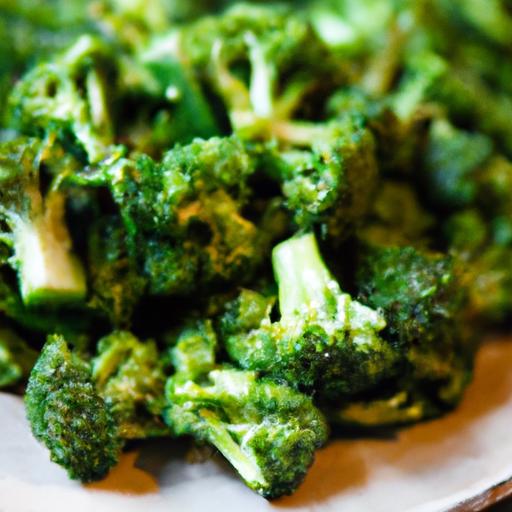

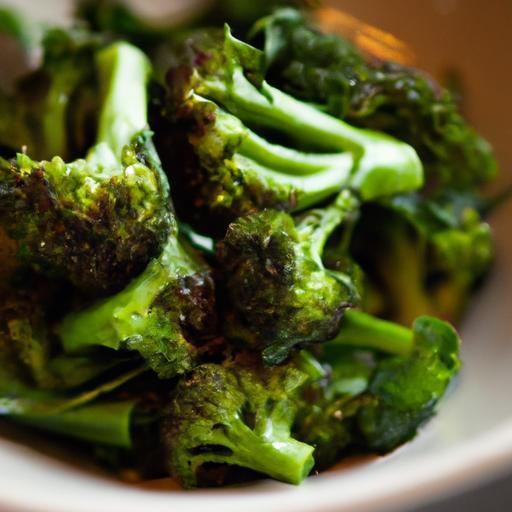
In the realm of simple vegetables, broccoli frequently enough plays a humble role-noble in its nutrition but sometimes overlooked on the plate. Yet, when transformed through the alchemy of roasting, this green cruciferous star reveals a whole new world of flavor, texture, and aroma that captivates the senses.
Unlocking flavor in roasted broccoli is both an art and a science, a delicate dance of heat, timing, and seasoning that turns ordinary florets into caramelized morsels bursting with complexity.
In this article, we delve into the secrets behind this culinary metamorphosis, exploring how roasting elevates broccoli from everyday side dish to a savory masterpiece, while uncovering the scientific principles that make it all possible. Prepare to see-and taste broccoli like never before.
The smaller the florets, the better they roast more evenly and develop those irresistible caramelized edges. Remember,fresh broccoli isn’t just a vegetable; it’s your canvas for flavor conversion. For the ideal roasting partner, seek broccoli harvested recently, preferably from local farmers’ markets, where freshness is at its peak.
Mastering temperature and timing is crucial to achieving the perfect texture. roast broccoli at a high heat typically between 425°F to 450°F (220°C to 230°C) to encourage Maillard browning, turning the edges delightfully crispy while maintaining a tender interior.
Timing is your secret weapon; around 20-25 minutes allows for optimal crispness without burning. Flip the florets halfway for even golden perfection.
Here’s a quick guide to roasting times and textures to tailor your broccoli experience:
| Roasting Time | texture Outcome |
|---|---|
| 15 minutes | Lightly tender, mild caramelization |
| 20 minutes | Balanced crispiness with tender stem |
| 25+ minutes | Deep caramelized edges, crunchy bite |
Elevate each bite by experimenting with bold seasonings and vibrant marinades. Classic olive oil, sea salt, and cracked black pepper lay the perfect foundation but don’t stop there. Try pepper flakes for heat, garlic powder for savory depth, or a splash of lemon juice for brightness.
Marinades infused with soy sauce, balsamic vinegar, or honey can add complexity and a touch of sweetness that intensifies as it roasts. before hitting the oven, toss your florets in these flavor boosters, ensuring every piece is generously coated.
- Spiced Up: Smoked paprika + cumin + chili flakes
- Herbal Harmony: Thyme + rosemary + garlic
- Sweet & Tangy: Honey + balsamic + mustard
- Umami Punch: Soy sauce + sesame oil + ginger
serve your roasted broccoli as a star or a show-stopping side. Sprinkle toasted nuts or Parmesan for crunch and richness, or drizzle a vibrant sauce like Tahini or Romesco to add visual flair and flavor depth. Incorporate into grain bowls, pastas, or atop warm salads to showcase its vibrant texture and nutty undertones. Roasted broccoli is versatile-a canvas for creativity that transforms every meal into a culinary masterpiece.
Q&A
Q&A: Unlocking Flavor – The Art and science of Roasted Broccoli
Q1: Why does roasting broccoli transform its flavor so dramatically?
A1: Roasting broccoli sparks a beautiful caramelization and Maillard reaction-a chemical dance where natural sugars and amino acids mingle under high heat. This process browns the broccoli’s edges, unlocking sweet, nutty, and savory notes that raw or steamed broccoli simply can’t achieve. It’s the magic of heat turning humble greens into a flavor-packed delight.
Q2: What’s the ideal roasting temperature and time for perfect broccoli?
A2: Aim for a high heat, typically between 400°F to 425°F (200°C to 220°C), roasting for about 18-22 minutes. This range ensures the broccoli crisps up beautifully on the outside while remaining tender inside. Lower temps can result in soggy florets, while too high a heat risks burning before the flavors fully develop.
Q3: How does the cut of broccoli affect roasting?
A3: Size and shape matter. Uniform florets roast evenly, ensuring consistent caramelization. Larger stems can be sliced thin or roasted separately, as their denser texture takes longer to soften. Mixing small and large pieces leads to uneven cooking-some bits burnt, others underdone.
Q4: Does tossing broccoli in oil change the flavor or texture?
A4: Absolutely. Oil acts like a flavor conductor and a heat shield. It promotes browning by facilitating even heat transfer and carries any seasonings into every crevice of the florets. Plus, the right oil-like extra virgin olive oil-adds its own subtle, fruity undertones, hinting at layers of complexity.
Q5: can herbs and spices enhance roasted broccoli? What works best?
A5: Herbs and spices are like the broccoli’s natural partners in crime. Garlic powder, smoked paprika, chili flakes, lemon zest, thyme, and rosemary all complement roasted broccoli’s earthiness and enhance its savory sweetness. Add them before roasting for deep infusion or sprinkle fresh herbs like parsley after roasting for a bright, fresh finish.
Q6: Is there a secret to getting broccoli crispy without burning it?
A6: Yes! Don’t overcrowd the pan-spread the florets in a single layer so hot air circulates freely. Using a rimmed baking sheet helps prevent sogginess. Also, flipping halfway through roasting encourages even crisping. Staying attentive to your oven’s quirks can save your broccoli from the brink of charcoal and elevate it to golden perfection.
Q7: How does roasted broccoli fit into a balanced diet beyond taste?
A7: Beyond its irresistible crunch and flavor, roasted broccoli retains a wealth of nutrients-fiber, vitamins C and K, and antioxidants-that support digestion, immunity, and overall health. Roasting, when done properly, preserves these benefits better than boiling and offers a appetizing gateway for even broccoli skeptics to enjoy more greens.
Q8: Can the principles of roasting broccoli apply to other vegetables?
A8: Definitely! The art of coaxing caramelized sweetness and crisp textures using high heat and oil is universal across many veggies-cauliflower, Brussels sprouts, carrots, and more. Each vegetable has its ideal roasting time and seasoning partners, but the foundational techniques remain a brilliant canvas for culinary creativity.
Unlocking the full flavor potential of roasted broccoli is both a science experiment and an art form where temperature, technique and taste all collide to elevate this simple vegetable into a star player on your plate.
Final Thoughts
As we conclude our journey into the alchemy of roasted broccoli, it’s clear that this humble vegetable holds a world of untapped flavor waiting to be unlocked. Through the perfect balance of heat and time, the science of caramelization transforms simple florets into a symphony of nutty, sweet, and savory notes. But beyond the chemistry lies an art-one that invites experimentation, intuition, and a keen thankfulness for how heat can elevate nature’s bounty.
So next time you reach for broccoli at the market, remember: roasting is more than a cooking method it’s the key to revealing a depth of flavor that can turn any meal into a memorable experience. Embrace the science, celebrate the art, and let roasted broccoli redefine your culinary expectations.