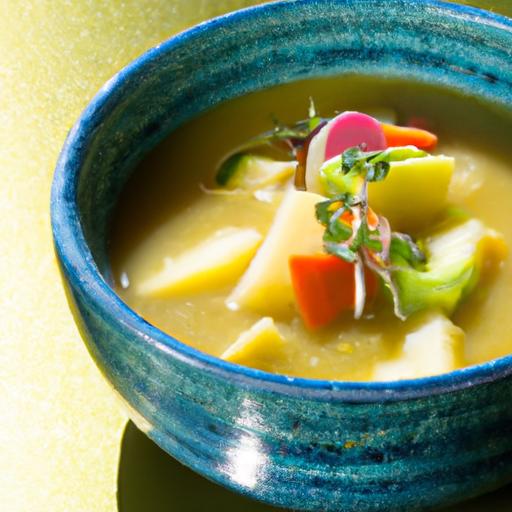

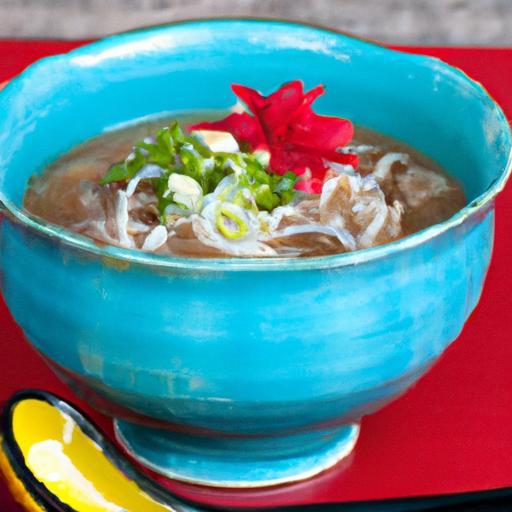
In the world of comforting broths and soulful stews, few dishes capture the essence of simplicity and depth quite like miso soup. Traditionally cherished in Japanese cuisine, this humble bowl of umami-rich goodness offers far more than meets the eye especially when reimagined through a vegetarian lens.
“Unlocking Flavor: The Art of Vegetarian Miso Soup Delight” invites you on a flavorful journey, exploring how the delicate balance of fermented miso, fresh vegetables, and thoughtful seasoning can transform a classic staple into a vibrant, nourishing masterpiece.
Whether you’re a devoted vegetarian or simply seeking new ways to invigorate your palate, this exploration reveals the secrets behind crafting miso soup that warms both heart and soul.
To truly honor this ingredient, balance is key: dissolve small amounts gradually into warm water before adding to your pot, ensuring the paste melds seamlessly without overpowering the palate. This method preserves the probiotics and subtle nuances that make miso a culinary treasure.
Elevate your soup by pairing the miso with a thoughtfully curated selection of vegetables that both complement and contrast its richness. Consider earthy root vegetables like daikon and sweet carrots, alongside tender leafy greens and delicate shiitake mushrooms for textural variety.
Here’s a handy guide to boost your soup’s flavor and presentation:
- Root Vegetables: Daikon, carrot, turnip – add sweetness and body
- Mushrooms: Shiitake, enoki, maitake – amplify umami depth
- Greens: Spinach, bok choy, mizuna – introduce freshness
- Alliums: Green onions, leeks – offer subtle sharpness
Q&A
Q&A: Unlocking Flavor - The Art of Vegetarian Miso Soup Delight
Q1: What makes miso soup such a beloved dish in vegetarian cuisine?
A1: Miso soup is a cornerstone of Japanese culinary tradition, cherished for its comforting warmth and umami depth. For vegetarians, it offers a deliciously nourishing bowl that’s entirely plant-based yet rich in flavor. The magic lies in miso paste a fermented soybean blend that imparts a savory, tangy essence, transforming simple ingredients like tofu and seaweed into something truly soulful.
Q2: How does vegetarian miso soup differ from traditional versions?
A2: Traditional miso soup often uses dashi made from bonito flakes (fish),which infuses the broth with a smoky seafood taste. Vegetarian miso soup swaps this out for kombu (kelp) or shiitake mushroom-based broths, delivering a similarly deep umami without animal products. This subtle tweak ensures a fully plant-based experience that still honors the soup’s rich heritage.
Q3: What are the essential ingredients needed to craft a perfect vegetarian miso soup?
A3: At its heart, you’ll need:
- Miso paste (white, yellow or red varieties depending on your taste)
- Kombu or dried shiitake mushrooms for the broth base
- Silken tofu for creamy texture
- Wakame seaweed for that signature briny touch
- Green onions for freshness and bite
Optional additions like daikon radish, carrots or enoki mushrooms can elevate the soup’s complexity and color.
Q4: How do you unlock the full flavor of miso without overpowering the delicate broth?
A4: Timing and temperature are key. Add miso paste at the end of cooking, after removing the broth from heat, to preserve its live probiotics and nuanced flavors. Stir gently to dissolve, avoiding boiling which can mellow miso’s vibrant character. Balancing the saltiness of miso with mild, subtly sweet vegetables or a touch of mirin can create a layered taste profile that delights the palate.
Q5: Can miso soup be customized to suit different palates or dietary needs?
A5: Absolutely! Miso soup is incredibly versatile. For spice lovers, a dash of grated ginger or a sprinkle of shichimi togarashi adds excitement. Those seeking more protein can toss in edamame or tempeh cubes. Gluten-free options abound as many miso pastes are naturally gluten-free just check the label. Each variation brings a new chapter to the ever-evolving story of this humble soup.
Q6: Why is miso soup considered a “living” food, and what are its health benefits?
A6: Because miso is fermented, it contains probiotics live beneficial bacteria that support gut health and digestion. This “living” quality turns miso soup into more than just a comforting meal; it becomes a functional food that nourishes body and mind. Rich in vitamins, minerals and antioxidants, vegetarian miso soup is a gentle powerhouse for wellness.
Q7: What cultural significance does miso soup hold beyond its flavor?
A7: In Japan, miso soup is more than sustenance; it’s a daily ritual symbolizing home, balance, and simplicity. Serving it vegetarian style connects tradition with modern values like sustainability and compassion. Unlocking its flavors invites a mindful appreciation of natural ingredients and the art of slow, intentional cooking.
With these insights, your journey into vegetarian miso soup becomes a celebration of flavor, culture, and health a true art of delight in every bowl.
In Summary
As the delicate umami notes of vegetarian miso soup linger on your palate, you begin to appreciate the harmony of simple ingredients transformed through tradition and technique. Unlocking the flavor of this humble broth is not just about following a recipe; it’s an invitation to explore the vibrant world of plant-based culinary artistry. Whether you’re a seasoned cook or a curious beginner, embracing the art of vegetarian miso soup opens a doorway to nourishing comfort, cultural richness, and endless creativity. So, let each spoonful remind you that true flavor blossoms when mindful care meets nature’s bounty inviting you to savor not just a dish, but a timeless experience.