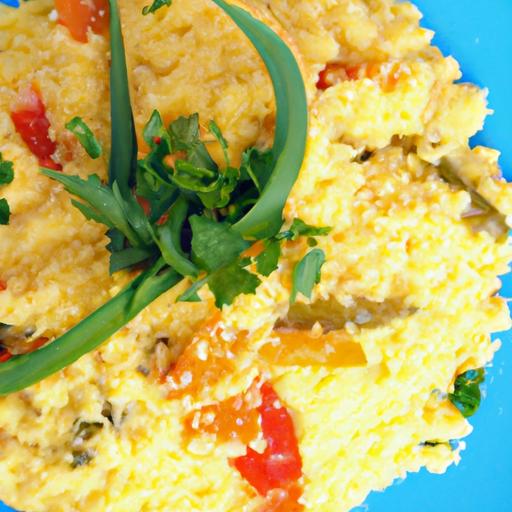

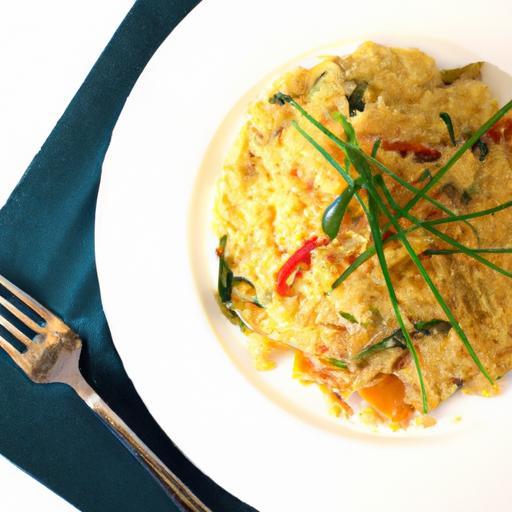
Beneath the golden grains of couscous lies a story steeped in centuries of tradition, culture, and culinary artistry. Frequently enough celebrated as a humble staple, this dish transcends its simplicity, inviting us on a flavorful journey through the heart of North African kitchens and beyond.
From its delicate, fluffy texture to the vibrant spices that dance alongside it, this time-honored food is more than just a dish it’s a living heritage, a symbol of community, and a testament to the enduring power of food to connect people across time and borders. Join us as we uncover the rich history, intricate readiness, and timeless appeal of couscous, uncovering the secrets that make this ancient grain a beloved treasure on tables worldwide.
The technique of rolling semolina granules by hand to create tiny pearls represents a culinary artistry passed down through generations. This humble grain harbors centuries of storytelling, hospitality and regional pride, making each plate a connection to a rich, vibrant heritage.
Beyond its roots in North Africa, couscous has journeyed across the Mediterranean and Middle East, adopting unique twists while maintaining its essence. Some communities opt for steamed couscous served over hearty stews, while others enjoy it toasted or with added spices.
Its adaptability speaks to its worldwide appeal an ingredient that transcends borders yet remains a beacon of cultural identity. Understanding this legacy enriches not only the flavor but also the appreciation of couscous as more than just a meal, but as a timeless cultural experience.
Fluffing the grains with a fork rather than stirring with a spoon enhances the fluffy, airy texture that defines perfectly prepared dish.
Incorporating fats like olive oil or a pat of butter during the fluffing process not only prevents clumping but also enhances the flavor profile. For those seeking an elevated spin, a squeeze of fresh lemon juice or a sprinkle of finely chopped fresh herbs right before serving can bring brightness and depth.
Remember, perfect couscous is all about delicate handling and a gentle touch.
- Use a large bowl for soaking to allow grains room to expand
- Cover tightly to trap steam and evenly cook the couscous
- Fluff gently with a fork to separate grains
- Add olive oil or butter to enhance texture and flavor
- Customize with herbs and citrus for freshness
Q&A
Q&A: Couscous Uncovered – A Flavorful Journey Through Tradition
Q1: What exactly is couscous, and where does it come from?
A1: Couscous is a North African staple, made from tiny steamed granules of semolina wheat. Its origins trace back thousands of years to the Berber peoples of the Maghreb region modern day Morocco, Algeria, Tunisia, and Libya where it has long been a symbol of hospitality and communal dining.
Q2: How is traditional couscous prepared differently from the instant versions we see in stores?
A2: Traditional couscous involves a time honored process of steaming the semolina granules multiple times to achieve a light, fluffy texture. This delicate technique contrasts with instant variety, which is pre-steamed and dried, making it quick to prepare but often less nuanced in flavor and texture.
Q3: What cultural significance does couscous hold in north African communities?
A3: More than just a dish, it’s a ritual of togetherness and festivity. It’s often served during family gatherings, weddings, and religious festivals, embodying a spirit of sharing. In many households, preparing couscous is a cherished tradition passed down through generations a culinary storytelling of heritage and identity.
Q4: What flavors and ingredients commonly accompany couscous in its traditional dishes?
A4: Couscous is a versatile canvas, typically paired with slow-cooked meats like lamb or chicken, an array of vegetables-think carrots, zucchini, chickpeas-and aromatic spices such as cumin, coriander, and saffron. The result is a harmonious blend of savory, earthy, and sometimes subtly sweet notes that dance on the palate.
Q5: How has couscous evolved in global cuisine today?
A5: While rooted in north Africa, this versatile grain has traveled far, embraced by chefs worldwide for its adaptability. Modern renditions blend traditional elements with fresh ingredients like roasted vegetables, herbs, and even citrus turning it into vibrant salads, hearty side dishes, or inventive mains, proving that it’s flavor journey is ever evolving.
Q6: Can couscous fit into different dietary preferences?
A6: Absolutely! Couscous is naturally vegetarian and can easily be incorporated into vegan and gluten-free diets (when using option grains like millet or quinoa). Its mild flavor makes it a perfect base for colorful vegetables, legumes, and plant-based proteins, inviting endless creativity for every palate.
Q7: What’s one tip for someone trying to make authentic couscous at home?
A7: patience is the secret ingredient! To capture it’s true essence, fluff the grains with a fork, not a spoon, and if possible, steam it twice this aerates the grains and unlocks that signature lightness. Embrace the rhythm of steaming and seasoning; it’s a culinary meditation worth savoring.
embark on this flavorful journey and uncover the magic woven into each tiny grain of couscous where tradition, culture, and taste come together in a tasty harmony.
Concluding Remarks
As we close this flavorful journey through the world of couscous, it’s clear that this humble grain is much more than a simple side dish. Steeped in centuries of tradition and cultural significance, couscous carries stories of family gatherings, vibrant markets, and time honored recipes passed down through generations. Whether enjoyed in a rustic North African tajine or reimagined in contemporary kitchens around the globe, it continues to unite taste and tradition in every fluffy bite. So next time you savor this versatile dish, remember you’re not just tasting food you’re experiencing a rich tapestry of history woven with every grain.