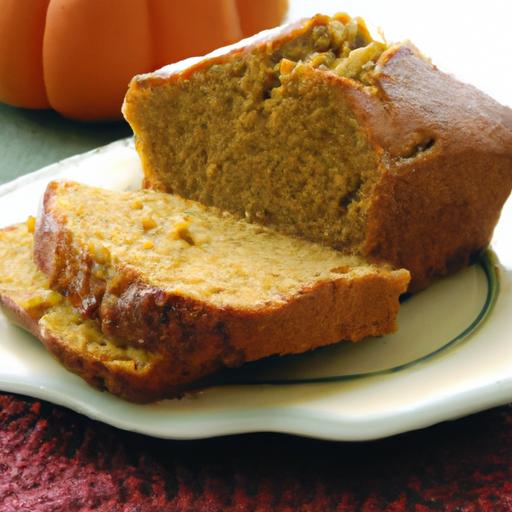

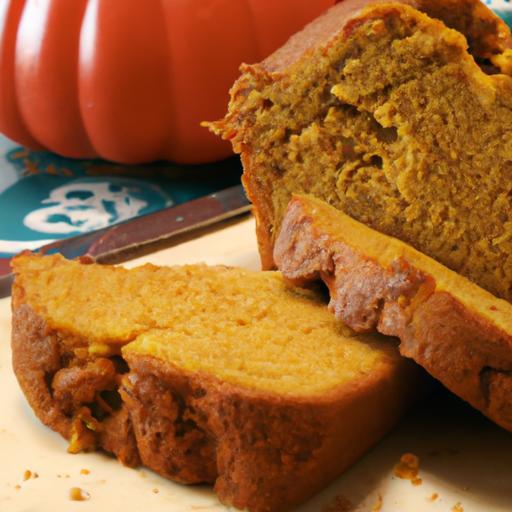
When the crisp whisper of autumn fills the air and kitchens begin to glow with the warmth of baking, there’s one treat that captures the season’s essence like no other: pumpkin bread. But not just any pumpkin bread moist, tender, and bursting with cozy spices that dance on your palate with every bite.
Whether you’re a seasoned baker seeking to perfect your recipe or a curious newcomer ready to embrace the joys of homemade comfort, this ultimate guide to baking moist and flavorful pumpkin bread will lead you through every step. From selecting the perfect pumpkin puree to mastering the balance of spices and achieving that irresistible, soft crumb, prepare to unlock the secrets that transform simple ingredients into a slice of autumnal bliss. Let’s embark on this tasty journey together, and turn your oven into the heart of fall.
Avoid pumpkin pie filling, as it often contains thickeners that alter your bread’s texture. Pair this with ingredients that naturally imbue moisture, like brown sugar, which adds a subtle caramel depth, and oils instead of butter, as they lock in softness more effectively. Consider incorporating buttermilk or Greek yogurt to introduce acidity, which not only tenderizes the crumb but also balances sweetness beautifully.
Mastering the technique of mixing and measuring can transform your loaf from dense to delightfully fluffy. Always use a kitchen scale for precision baking is a science, after all! Gently fold the dry ingredients into wet to maintain air pockets, which give that coveted light texture.
Overmixing is the villain here; it develops gluten and can toughen your bread. Baking at a moderate oven temperature ensures gradual rising and even cooking, while a warm baking habitat helps caramelize sugars, amplifying flavor.
For a quick reference, here’s a handy table comparing mixing tips and their effects:
| Technique | Effect on Texture | Best Practice |
|---|---|---|
| Overmixing | Dense, tough crumb | Mix until just combined |
| Using oil | Moist, tender | Replace butter for oil-based recipe |
| Adding acidic dairy | Balances sweetness, softens crumb | Incorporate buttermilk or yogurt |
Q&A
Q&A: The ultimate Guide to Baking Moist and Flavorful Pumpkin Bread
Q1: What makes pumpkin bread moist and flavorful?
A1: the magic lies in the balance of wet and dry ingredients, along with the perfect blend of spices. Pumpkin puree adds natural moisture and a subtle sweetness, while ingredients like brown sugar or maple syrup deepen the flavor. Using oil instead of butter, incorporating sour cream or yogurt, and not overbaking also keep the bread tender and moist.
Q2: can I use canned pumpkin puree, or should I use fresh pumpkin?
A2: Both work wonderfully, but canned pumpkin puree is convenient and consistent in texture and moisture. Fresh pumpkin can add a fresher taste but often requires extra preparation, such as roasting and pureeing. Just ensure any puree you use is smooth and not too watery to avoid a soggy loaf.
Q3: Which spices are essential for that classic pumpkin bread flavor?
A3: Cinnamon, nutmeg, cloves, and ginger are the quintessential pumpkin spice quartet. They bring warmth and depth to the bread. Some bakers like to add allspice or even cardamom for an extra cozy twist.
Q4: How can I prevent pumpkin bread from drying out?
A4: Avoid overmixing your batter, as that can develop gluten and result in a denser, drier bake. Also, bake just until a toothpick comes out clean overbaking is the number one cause of dryness. Wrapping the cooled bread in plastic wrap or storing it airtight helps maintain moisture.
Q5: Can I add mix-ins without compromising the bread’s texture?
A5: Absolutely! Chopped nuts, chocolate chips, or dried cranberries can add texture and bursts of flavor. Just fold them gently into the batter at the end to keep the bread light and fluffy.
Q6: What’s the best way to store pumpkin bread?
A6: Pumpkin bread keeps well for several days when wrapped tightly and stored at room temperature. For longer storage, wrap it in plastic and freeze it; just thaw at room temperature before enjoying.
Q7: Is it possible to make pumpkin bread gluten-free?
A7: Yes! Substitute regular flour with a blend of gluten-free flours designed for baking. Adding a bit of xanthan gum or guar gum can definitely help mimic the texture gluten provides, resulting in a moist and tender loaf.
Q8: Can I double or halve the recipe easily?
A8: Definitely. Pumpkin bread recipes are flexible. Just adjust your pan size and keep an eye on baking time! Smaller loaves or muffins will bake faster, while a larger batch may need more time. Use toothpick testing to check doneness.
Q9: Any tips for a beautiful pumpkin bread crust?
A9: Sprinkle a little turbinado sugar or cinnamon sugar on top before baking for a sparkling, slightly crunchy crust. A pat of butter after baking can enhance softness if you prefer a gentler crust.
Q10: What’s the best time to enjoy pumpkin bread?
A10: Anytime! It’s perfect for breakfast with a swipe of butter, an afternoon snack with tea or coffee, or even a cozy dessert with whipped cream. Pumpkin bread brings fall warmth all year round or whenever you crave a bite of comfort.
With these insights, your pumpkin bread will emerge from the oven irresistibly moist, richly spiced, and bursting with autumnal goodness every single time!
Final Thoughts
As the aroma of your freshly baked pumpkin bread fills the kitchen, you’ll know that all the tips and tricks from this guide have transformed a simple recipe into a moist, flavorful masterpiece. Baking pumpkin bread is more than just following steps it’s about embracing the warmth of the season in every tender crumb. Whether you’re a seasoned baker or a curious newbie, the secrets shared here are your ticket to consistently delicious results that invite smiles with each slice. So next time you reach for that can of pumpkin, remember: you hold the power to create comfort and joy, one loaf at a time. Happy baking!