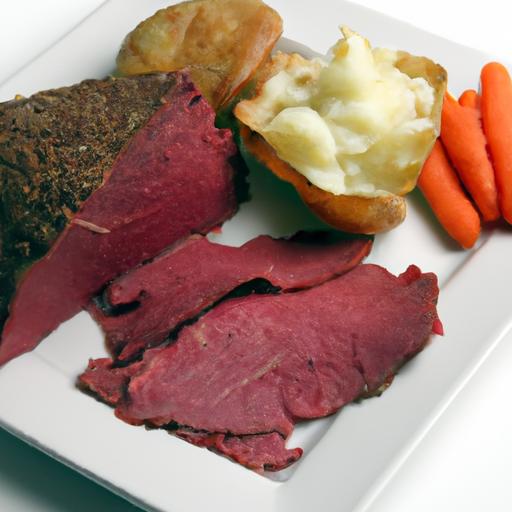

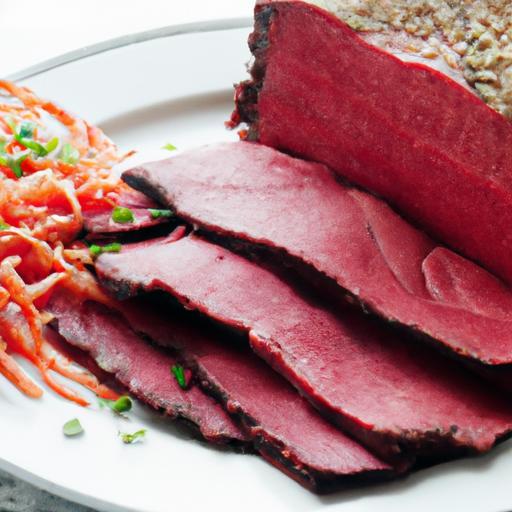
Beneath its salty, ruby hued surface lies a story as rich and layered as its savory flavor-a tale that spans centuries, cultures, and countless dinner tables. Corned beef, often relegated to simple sandwiches or holiday traditions, is much more than just a cured meat; it’s a culinary journey waiting to be explored.
In this article, we’ll peel back the brine Corned Beef Uncovered soaked curtains to uncover the fascinating history, distinctive taste, and expert cooking tips that make corned beef a beloved classic with a timeless appeal. Whether you’re a curious foodie or a seasoned chef, prepare to dive into the world of corned beef like never before.
This blend imparts a rich depth that’s both savory and subtly tangy. Mastery in cooking hinges on achieving that ideal tenderness, where the beef fibers give way effortlessly but remain juicy and flavorful.
Whether simmered low and slow or baked to perfection, proper technique elevates corned beef from a humble cut into a party of texture and taste.
- Try braising with stout or beer to intensify the malted, caramelized notes.
- Add whole cloves and star anise for an aromatic twist on classic spice blends.
- Slice thinly for sandwiches or shred for hash, showcasing contrasting textures.
| Technique | Cooking Time | Flavor Profile |
|---|---|---|
| Slow Simmer | 3-4 hours | Classic, tender, balanced |
| Oven Braise | 2-3 hours | Rich, caramelized, robust |
| Pressure Cook | 45-60 minutes | Juicy, rapid, flavorful |
Q&A
Q&A: Corned Beef Uncovered – History, Flavor, and Cooking Tips
Q1: What exactly is corned beef?
A1: Despite its name, corned beef isn’t made from corn! The term “corned” refers to the large grains or “corns” of rock salt historically used to cure the beef. It’s a salt-cured brisket, known for its tender texture and rich, savory flavor that develops during the curing and slow-cooking process.
Q2: Where does corned beef come from?
A2: It has a fascinating history that spans centuries and continents. It’s often associated with Irish cuisine, especially St. Patrick’s Day, but its roots trace back to ancient preservation methods. Salt-curing meat was essential before refrigeration, and corned beef became popular in Ireland, Britain, and later in America, particularly among immigrants and working-class communities.
Q3: How does the curing process affect the flavor?
A3: The curing process is the secret behind corned beef’s unique flavor. The brisket soaks in a brine of salt, sugar, and aromatic spices like peppercorns, mustard seeds, and bay leaves. This mixture infuses the meat with a complex bouquet of savory, slightly sweet, and peppery notes, while the salt tenderizes the brisket, making it juicy and flavorful.
Q4: What’s the best method to cook corned beef?
A4: Low and slow is the golden rule. Whether you’re simmering it on the stovetop, slow-cooking, or using a pressure cooker, gentle heat breaks down the connective tissues, yielding melt-in-your-mouth beef. Classic accompaniments like cabbage, potatoes, and carrots simmered alongside create the iconic hearty meal beloved for generations.
Q5: Can you eat corned beef cold?
A5: Absolutely! As a Leftover This savory staple transforms beautifully. Chilled slices are perfect for sandwiches, like the classic Reuben, paired with tangy sauerkraut and creamy Swiss cheese. You can also crisp it up in a skillet or cube it for hash-versatility is one of corned beef’s best qualities.
Q6: are there variations of corned beef around the world?
A6: Yes! While Irish version is probably the most famous, other cultures have their own takes. Jewish delis in New York popularized pastrami a close cousin with its signature peppery crust. In the Caribbean, spicy hash made from the cured meat is a beloved breakfast staple. Each variation reflects regional ingredients and tastes, making this savory dish a truly global delight.
Q7: Any tips for buying the best corned beef?
A7: Look for a brisket that’s well-marbled with fat, which keeps the meat succulent during cooking. Pre-packaged corned beef often comes with a spice packet-feel free to supplement with extra fresh spices or try your own brining for a personalized touch. And remember, patience is key; rush the cooking, and you miss out on that tender magic.
Q8: What makes corned beef a timeless comfort food?
A8: Corned beef carries nostalgia on a plate – a blend of hearty, savory flavors with a touch of tradition. It’s a dish born from resourcefulness, comfort, and community gatherings. Whether served at a festive St. Patrick’s Day dinner or a casual weeknight hash, it tells a story of history and flavor that continues to warm hearts and tables alike.
in Conclusion
As the savory scent of corned beef lingers in the air, we uncover more than just a dish-we reveal a tapestry woven through history, culture, and culinary craft. From its humble beginnings as a preserved staple to its starring role on festive tables, this savory dish invites both tradition and experimentation. Whether you’re simmering a classic brisket or reinventing it with modern twists, the rich flavors and hearty textures promise a satisfying journey for your taste buds. So next time you slice into that tender, salt-kissed meat, remember: you’re savoring a story centuries in the making, one flavorful bite at a time.