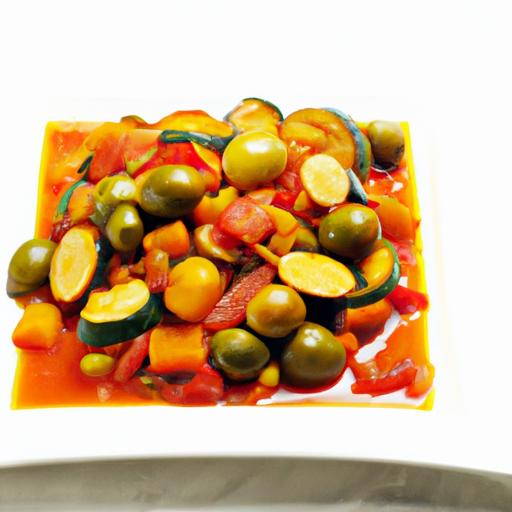

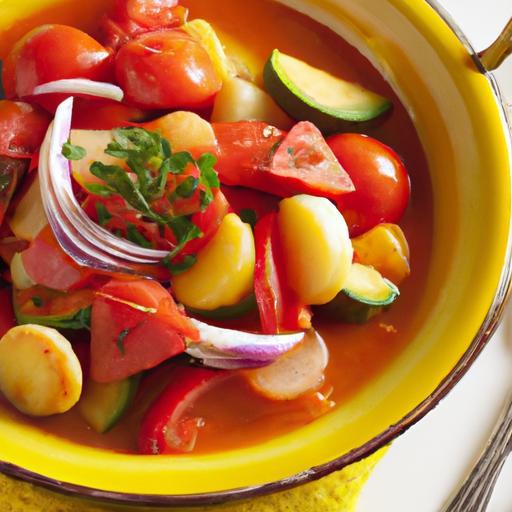
In the vibrant tapestry of Spanish cuisine, few dishes capture the rustic charm and sun-soaked flavors of the countryside quite like pisto. Often described as Spain’s answer to ratatouille, this humble vegetable medley is a celebration of fresh, simple ingredients ripe tomatoes, tender peppers, zucchini, and fragrant onions slowly simmered to create a comforting symphony of taste and texture.
Yet, beyond its colorful appearance lies a rich culinary tradition that weaves together history, regional pride, and the unpretentious joy of communal dining. Join us as we unveil pisto, exploring its origins, regional variations, and the reasons why this rustic delight continues to hold a cherished place on Spanish tables and in the hearts of food lovers worldwide.
Pisto is a vibrant emblem of Spanish culinary heritage, deeply rooted in the rural kitchens of Castilla-La Mancha, where humble, sun-kissed vegetables became the heart of a rustic stew. Its origins echo the Mediterranean tradition of making the most out of seasonal produce, blending locally sourced tomatoes, zucchinis, eggplants, and peppers simmered until they meld into a harmonious, velvety medley.
This dish bears the hallmark of simplicity and resourcefulness, reflecting a time when slow cooking was both a necessity and an art. Traditional methods call for gently sautéing each vegetable in olive oil, allowing their natural flavors to unfold fully, often enriched with strands of garlic and a touch of smoky paprika, creating a canvas of deeply layered tastes.
Across Spain, pisto exhibits charming regional twists that celebrate local palates. While the classic recipe remains faithful to sautéed vegetables, variations may introduce ingredients like onions, cured ham, or even fried eggs gracing the top for added richness.
The flavor profile balances the sweetness of ripe tomatoes with the earthiness of peppers and the creamy texture of zucchini, enlivened by herbaceous notes from fresh thyme or bay leaves.
To perfect pisto at home, consider these tips:
- Use fresh, in-season vegetables for a naturally intense flavor.
- Cook low and slow to develop a deep, mellow sweetness.
- Reserve some olive oil to drizzle over before serving for a luscious finish.
- Try topping it with a fried egg or serving alongside crusty bread or Manchego cheese to amplify authenticity.
| Region | Unique Twist | Signature Flavor |
|---|---|---|
| Castilla-La Mancha | Classic vegetable medley | Sweet tomato with smoky paprika |
| Andalusia | Added garlic and spices | Bold and aromatic |
| Basque Country | Inclusion of chorizo or ham | Smoky and savory |
Q&A
Q&A: Pisto Unveiled – Spain’s Rustic Ratatouille Delight
Q1: What exactly is Pisto?
A1: It’s often described as Spain’s answer to ratatouille a vibrant, hearty vegetable medley that celebrates the flavors of sun-ripened summer produce. At its core, it’s a rustic stew of tomatoes, peppers, zucchini, and onions, slowly simmered to sweet, luscious perfection.
Q2: Where does Pisto come from?
A2: Pisto hails from the heart of Spain, especially the regions of La Mancha and Murcia. It’s a humble dish born from rural kitchens, where farmers transformed garden fresh vegetables into soulful comfort food.
Q3: How does Pisto differ from ratatouille?
A3: While both dishes spotlight summer vegetables, it’s typically smoother and less layered than ratatouille. It tends to have a slightly sweeter profile due to slow-cooked tomatoes and often includes olive oil and garlic in generous amounts, giving it that quintessentially Spanish warmth.
Q4: What are the traditional ingredients in Pisto?
A4: Classic Pisto ingredients include ripe tomatoes, green and red bell peppers, zucchini (or courgette), onions, garlic, and olive oil. Some variations also add eggplant or a fried egg atop the dish for extra richness.
Q5: How is Pisto traditionally served?
A5: Pisto shines as a versatile dish it can be a side, a tapa, or the star of the plate. Frequently enough served with crusty bread, it also pairs beautifully with fried eggs, manchego cheese, or even grilled meats. It’s a rustic celebration of simplicity.
Q6: Is Pisto suitable for vegetarians and vegans?
A6: Absolutely! The classic recipe is naturally vegetarian and vegan-kind, making it a delightful, nutritious choice for plant-based diners. Just be sure to skip the traditional fried egg topping to keep it wholly vegan.
Q7: Can you make Pisto ahead of time?
A7: Yes! it actually benefits from sitting a while, as the flavors mingle and deepen. It’s fantastic served warm or at room temperature, making it perfect for meal prep or leisurely Spanish style gatherings.
Q8: What makes Pisto a beloved staple in Spanish cuisine?
A8: Pisto’s magic lies in its simplicity and heartiness. It captures the essence of Spanish summers the sun-ripened taste of fresh veggies, the caress of olive oil, and the rustic authenticity of home cooking. It’s comfort on a plate, rich in tradition and flavor.
With these insights, you’re ready to embrace it not just as a dish but as a warm, appetizing piece of Spanish culture on your table. Enjoy the rustic charm!
Final Thoughts
As the sun sets over the rolling hills of La Mancha, the humble skillet of pisto stands as a testament to Spain’s enduring love for simple, honest flavors. This rustic ratatouille, brimming with ripe tomatoes, tender zucchini, and sweet peppers, invites us to savor not just a dish, but a story a vibrant tapestry woven from the heart of Spanish countryside traditions. Whether enjoyed as a hearty meal or a colorful side, pisto remains a delicious reminder that sometimes, the greatest culinary treasures come from the most unassuming origins. So next time you’re craving a taste of Spain’s soul, let pisto be your flavorful guide to rustic comfort and timeless charm.