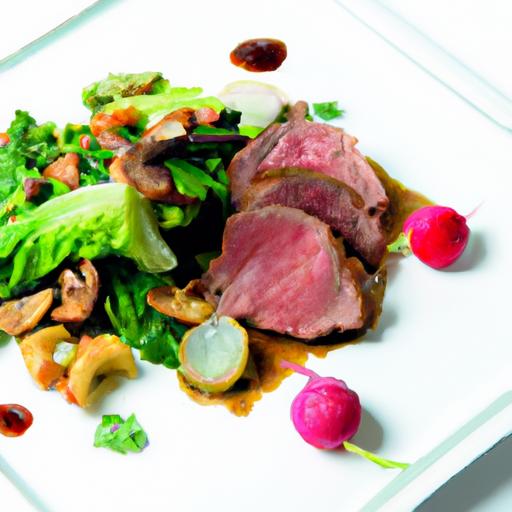

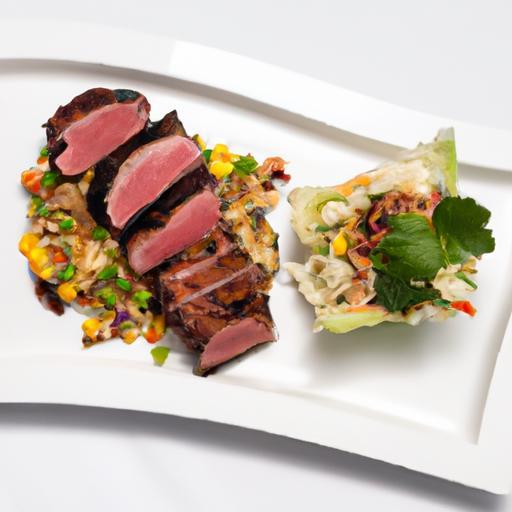
Beneath the sizzle of a backyard barbecue or the comforting aroma of a homemade spaghetti sauce lies a story rarely told-the intricate journey of ground beef from its humble beginnings on the farm to its final place on our plates.
“From Farm to Fork: The Journey of Ground Beef Uncovered” peels back the layers of this everyday staple, revealing the careful craftsmanship, rigorous safety measures, and lasting practices that transform raw ingredients into the versatile protein millions enjoy worldwide. Join us as we trace every step of ground beef’s path, shedding light on the hidden processes that connect fields, farms, and factories to the meals we cherish.
Once harvested, ground beef undergoes meticulous processing, adhering to stringent quality and safety standards to protect consumers. Facilities employ Hazard Analysis and Critical Control Points (HACCP) protocols, regular microbial testing, and temperature controls to prevent contamination. at home, proper handling transforms safety into appetizing meals. Remember these best practices for handling and cooking:
- Thaw ground beef in the refrigerator, not on the counter
- Cook to an internal temperature of 160°F (71°C) to eliminate bacteria
- Use separate utensils and cutting boards to avoid cross-contamination
- Store leftovers promptly in sealed containers at safe temperatures
| Step | Key Action | Purpose |
|---|---|---|
| farming | Sustainable grazing & care | healthy cattle, eco-friendly |
| Processing | HACCP & temperature control | Ensure safety & quality |
| Home Handling | Proper thawing & cooking | Eliminate pathogens |
Q&A
Q&A: From Farm to Fork – The Journey of Ground Beef Uncovered
Q1: What does “From Farm to Fork” really mean in this context?
A1: It describes the complete path meat takes — from the grassy pastures where cattle are raised, through processing facilities, all the way to your plate. It’s a story of connection, linking farmers, processors, retailers, and consumers in one continuous food chain.
Q2: How does the life of a cow begin before it becomes part of our meals?
A2: It starts on a farm where calves are born and nurtured. They spend months, sometimes years, grazing on pasture and eating nutrient-rich feed. This early phase plays a vital role in their overall health and the quality of the meat they’ll provide.
Q3: What happens after the cattle leave the farm?
A3: Once mature, they’re transported to processing facilities where they’re humanely handled and carefully prepared. Cuts are separated — some destined for steaks and roasts, others specifically selected for mincing and blending.
Q4: Why is the minced variety made from different cuts and grades?
A4: Blending various parts helps achieve the ideal mix of flavor, texture, and fat content. This allows for a wide range of culinary uses, whether you’re making a juicy burger or a leaner dish for health-conscious meals.
Q5: How is food safety maintained throughout this journey?
A5: From clean farm conditions and veterinary oversight to strict sanitation and testing at production sites, multiple safeguards are in place. Cooking it thoroughly and handling it properly at home further reduces risk of foodborne illness.
Q6: How does sustainability factor into the process?
A6: Producers are increasingly embracing eco-friendly practices such as rotational grazing, renewable energy use, and reduced emissions. These efforts help protect the environment while maintaining the integrity and quality of what ends up on your plate.
Q7: What should consumers look for when buying this type of meat?
A7: Check for origin labels, fat percentages, and certifications like organic or grass-fed. Also pay attention to freshness, packaging, and how well it suits your intended cooking method.
Q8: How does learning about this journey change how we eat?
A8: Understanding the path from pasture to plate deepens appreciation for the care and effort behind each meal. It encourages thoughtful choices and cultivates respect for the people and practices behind our food.
Q9: Can this meat be traced back to its source?
A9: More and more, yes. With improvements in tracking and a growing demand for transparency, many producers now offer traceability — allowing consumers to know exactly where their food comes from.
Q10: What’s the future of this staple in the food industry?
A10: Innovations are reshaping the landscape — from regenerative agriculture and improved animal welfare to alternatives like plant-based or lab-grown options. The future promises a balance of tradition and technology to ensure quality, safety, and sustainability.
The Conclusion
As we close the chapter on the captivating journey of ground beef-from the open pastures where cattle graze to the sizzle on your skillet-it becomes clear that every bite carries a story of care, craftsmanship, and meticulous processes. Understanding this farm-to-fork path not only deepens our gratitude for the food on our plates but also reminds us of the countless hands and innovations involved in delivering quality and safety. So next time you enjoy a juicy burger or a hearty stew, savor more than just the flavor-cherish the journey that brought it to you.