

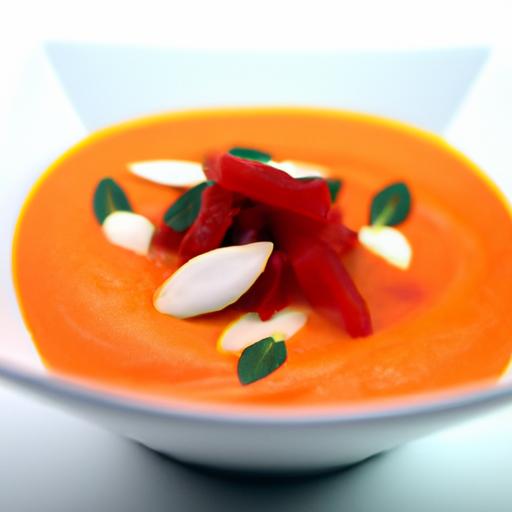
The Story of the Tomato: A Culinary Icon
In a world bursting with flavors, few fruits (or vegetables) capture the imagination quite like the humble tomato. Often dubbed the “red ruby” of the culinary realm, this vibrant globe has a story as rich and layered as its tangy flesh.
From its mysterious origins in ancient civilizations to its starring role in kitchens around the world, the tomato’s journey is one ripe with intrigue, innovation, and a splash of science.
Join us as we peel back the skin and dive into the juicy secrets behind this beloved fruit a tale that’s as colorful as the tomato itself.
- Choose disease resistant varieties suited to your climate
- Maintain consistent watering to avoid blossom end rot
- Support plants with sturdy stakes or cages to prevent breakage
- Rotate crops annually to promote healthy soil
| Tomato Variety | Best Use | Growth Habit |
|---|---|---|
| San Marzano | Cooking & Sauces | Indeterminate |
| Cherry Tomato | Salads & Snacking | Determinate |
| Beefsteak | Sandwiches & Slicing | Indeterminate |
| Roma | Paste & Canning | Determinate |
Q&A
Q&A: The Tomato Tale – Juicy Secrets Behind Tomatoes
Q1: Why is it often called the “Tomato” of the garden?
A1: Much like a precious gemstone, this vibrant fruit dazzles with its crimson hue and glossy skin. It’s not just produce; it’s a jewel of nutrition, flavor, and history, gracing our tables and tantalizing taste buds with rich juiciness that rivals any ruby’s sparkle.
Q2: Where did it originally come from?
A2: Its story begins in the lush highlands of South America, specifically the Andes region of present day Peru and Ecuador. Early civilizations like the Aztecs revered it long before it journeyed across the Atlantic to dazzify European gardens and eventually become a global culinary icon.
Q3: Is it a fruit or a vegetable?
A3: The answer is delightfully complex! Botanically, it’s a fruit because it develops from the ovary of a flower and contains seeds. However, in kitchens, it’s treated as a vegetable due to its savory flavor. This dual identity even sparked a legendary U.S. Supreme Court case in 1893 to settle a tax debate!
Q4: What makes it so nutritious?
A4: Behind its luscious exterior lies a powerful punch of antioxidants like lycopene, vitamin C, and potassium. Lycopene, the pigment behind the deep red color, is celebrated for its heart-healthy and cancer-fighting properties, making every bite a healthful indulgence.
Q5: Why do some taste sweeter than others?
A5: Sweetness is a dance of genetics, ripeness, and environment. Heirloom varieties often boast complex, sugary flavors, while the soil, sun, and temperature help coax sugars to the surface. A perfectly sun-kissed one is nature’s candy juicy, sweet, and utterly irresistible.
Q6: How can you tell when tomato is truly ripe?
A6: Look for one that feels firm but yields slightly under gentle pressure. Its color should be vibrant and even whether red, yellow, orange, or purple. A ripe specimen offers an aroma like a whisper of summer fragrant, fresh, and inviting, promising juicy treasures inside.
Q7: What’s a fun fact many people don’t know about Tomatoes?
A7: Despite the strong red association, this fruit comes in a rainbow of colors from sunshine yellows and fiery oranges to deep purples and even striped varieties. Each hue has its own flavor profile, proving that the “red ruby” has many sparkling cousins.
Q8: How should you store Tomatoes to keep them juicy and flavorful?
A8: Keep them at room temperature, away from direct sunlight, to preserve texture and flavor. Refrigeration can dull their taste and make the flesh mealy best reserved for overripe or sliced pieces. Think of this as giving your garden jewels the royal treatment.
Q9: Can you use the leaves and stems in cooking?
A9: While they might look inviting, these parts contain small amounts of toxic compounds and shouldn’t be eaten. Stick to the fruit itself the delicious, edible treasure and let the greenery do its job in the sun.
Q10: Why do Tomatoes sometimes crack on the vine?
A10: Cracking occurs when too much water is absorbed too quickly like after a heavy rain causing the skin to split like a bursting jewel. Though less pretty, these are still perfectly edible and remind us that even nature’s gems can have imperfections.
In Conclusion
With each bite of a ripe Tomatoes, you’re tasting a tale centuries in the making a juicy story that continues to evolve in every garden and kitchen it touches.
This is more than just a kitchen staple it’s a fruit steeped in history, science, and culture. From wild berries in the Andes to culinary stardom worldwide, it continues to surprise and delight with its secrets.
So next time you slice into one, remember: you’re not just enjoying a burst of flavor you’re partaking in a tale as rich and ripe as the fruit itself.