
The Art of Perfectly Flavored Fried Rice
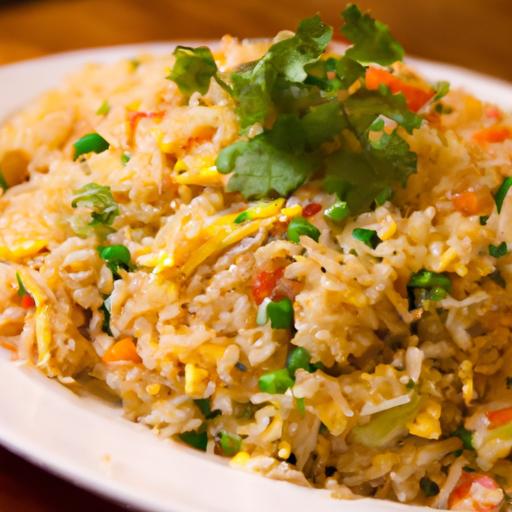
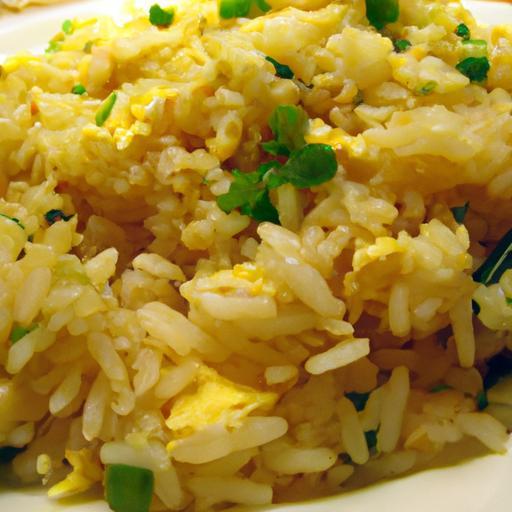
There’s something undeniably comforting about a steaming bowl of perfectly flavored fried rice the way each grain glistens with savory essence, the subtle dance of aromatic spices, and the satisfying balance of textures that makes every bite a complete delight. This dish is a harmonious symphony where simple, humble ingredients unite in a hot wok, transforming into something greater than the sum of its parts.
Yet, achieving that flawless harmony at home can feel like an elusive quest. This guide demystifies the process, unlocking the secrets to mastering fried rice. We’ll explore how the right rice, high-heat technique, and sauce balance come together to turn your kitchen into a gateway for this mouthwatering, customizable masterpiece.
The Foundation: Selecting Rice and Ingredients for Ideal Texture
Achieving that coveted fluffy-yet-crispy texture begins with the rice itself. Day-old, cold jasmine or long-grain rice is a home cook’s best ally; its drier grains separate easily, preventing clumping and absorbing flavors more effectively during the stir-fry.
This perfect canvas is then brought to life with fresh, carefully chosen components. Tender peas, crisp scallions, savory shiitake mushrooms, and finely diced carrots create a tapestry of colors and textures. The key technique is cooking over blazing high heat with constant stirring, which ensures each grain gets slightly toasted, unlocking deep, smoky notes and that signature “wok hei” breath of the wok.
Mastering the Aromatics and Sauce: Building Layers of Flavor
To elevate your fried rice beyond the ordinary, mastering the balance of aromatics and sauces is essential. A fragrant base of minced garlic, fresh ginger, and shallots forms the aromatic backbone, sizzled just until golden. The sauce a harmonious blend of soy sauce, oyster sauce, and a hint of sesame oil should be added in a stream along the hot sides of the wok, where it caramelizes instantly, coating each grain with rich umami depth without making the dish soggy.
Creative Twists: Customize Your Masterpiece
The true joy of fried rice lies in its infinite adaptability. Customize effortlessly by combining flavors and textures tailored to your preference, using the guide below for inspiration.
| Flavor Profile | Suggested Add-ons | Cooking Tip |
|---|---|---|
| Spicy Kick | Chopped chili, Sriracha | Add chilies early to infuse the oil with heat. |
| Earthy & Umami | Shiitake mushrooms, dark soy sauce | Sauté mushrooms separately until golden for maximum flavor. |
| Fresh & Bright | Green peas, scallions, lime zest | Stir in lime zest off-heat to preserve its vibrant aroma. |
| Rich & Savory | Egg yolk, crispy bacon bits | For extra richness, mix a raw yolk into hot rice at the end. |
prep and cook Time
Prep Time: 15 minutes
Cook Time: 10 minutes
Total Time: 25 minutes
Yield
Serves 4
Difficulty Level
Easy – a fundamental technique for incredible weeknight meals
Ingredients
-
3 cups day-old cooked jasmine rice, chilled
-
2 tbsp vegetable or peanut oil
-
2 large eggs, lightly beaten
-
3 cloves garlic, minced
-
1 tbsp fresh ginger, minced
-
4 scallions, chopped (white and green parts separated)
-
1/2 cup frozen peas and carrots, thawed
-
3 tbsp soy sauce (low sodium preferred)
-
1 tbsp oyster sauce (or vegetarian alternative)
-
1 tsp sesame oil
-
Salt and white pepper, to taste
Instructions
-
Heat a large wok or skillet over high heat until smoking. Add 1 tablespoon of oil and swirl to coat.
-
Add the beaten eggs, scrambling quickly until just set. Remove and set aside.
-
Add the remaining oil to the wok. Add the garlic, ginger, and the white parts of the scallions. Stir-fry for 30 seconds until fragrant.
-
Add the peas and carrots, stir-frying for 1 minute. Add the chilled rice, breaking up any clumps. Stir-fry for 3-4 minutes until the rice is hot and grains are separated.
-
Push the rice to the sides, creating a well in the center. Pour the soy sauce and oyster sauce into the well, letting them sizzle for a few seconds before stirring into the rice.
-
Return the scrambled eggs to the wok. Add the green parts of the scallions. Stir everything to combine.
-
Remove from heat and drizzle with sesame oil. Toss once more, season with white pepper, and serve immediately.
Tips for Success
-
For the best texture, spread freshly cooked rice on a baking sheet to cool and dry slightly before refrigerating overnight.
-
Have all ingredients chopped and sauces measured before you start cooking; the process moves very quickly.
-
Do not overcrowd the wok. Cook in batches if necessary to ensure everything sears properly.
-
For a vegetarian version, use mushroom oyster sauce and add crispy tofu or edamame.
-
A splash of Chinese cooking wine (Shaoxing wine) added with the sauces can deepen the flavor profile.
Serving Suggestions
Serve this flavorful fried rice as a satisfying main course or as a stellar side to dishes like Mongolian beef, sweet and sour chicken, or simple grilled tofu. A side of quick-pickled cucumbers or a light wonton soup completes the meal beautifully.
| Nutrient | Per Serving |
|---|---|
| Calories | 320 kcal |
| Protein | 11 g |
| Carbohydrates | 45 g |
| Fat | 10 g |
Explore more essential wok and stir-fry recipes to build your repertoire. For more data on selecting rice and stir-fry techniques, visit the Fresh Food Trust.
Q&A
Q&A: Master the Art of Perfectly Flavored Fried Rice at Home
Q1: What’s the secret behind the perfect fried rice flavor?
A1: The magic lies in balance! Combining savory soy sauce, a hint of sweetness, and a touch of aromatic sesame oil creates that umami-packed flavor everyone craves. Also, don’t forget fresh aromatics like garlic, ginger, and green onions to elevate the taste.
Q2: Can I use freshly cooked rice, or should it be leftover rice?
A2: Leftover rice is your best friend! Day-old rice is drier and less sticky, allowing each grain to fry up separately for that classic, fluffy texture. If using fresh rice, spread it out to cool and dry a bit before cooking.
Q3: How do I avoid soggy or clumpy fried rice?
A3: Resist the urge to overcrowd the pan. High heat and plenty of space help evaporate moisture quickly. Also, use oils with a high smoke point like vegetable or peanut oil, and toss ingredients quickly to keep that perfect texture.
Q4: What proteins work best in fried rice?
A4: The sky’s the limit! Classic options include scrambled eggs, diced chicken, shrimp, or pork. Tofu and tempeh are fantastic plant-based alternatives. Just make sure your protein is cooked in advance and added towards the end to avoid overcooking.
Q5: Any tips for adding veggies without turning the rice mushy?
A5: Chop veggies into uniform, bite-size pieces and stir-fry them separately or before adding the rice. Quick cooking veggies like peas, carrots, and bell peppers add crunch and color without excess moisture.
Q6: How can I customize fried rice to suit different tastes?
A6: Fried rice is a canvas! Spice it up with chili flakes or Sriracha, swap soy sauce for tamari to reduce gluten, or add pineapple chunks for a sweet twist. Don’t be afraid to experiment with herbs like cilantro or Thai basil for a fresh pop.
Q7: what’s the best way to finish and garnish fried rice?
A7: A final drizzle of toasted sesame oil adds depth and richness. Top with chopped scallions, toasted sesame seeds, or crushed peanuts for texture and visual appeal. A squeeze of fresh lime juice can brighten the whole dish just before serving.
Q8: How important is the type of rice used?
A8: Very! medium or long-grain rice varieties like jasmine or basmati offer the ideal fluffy consistency. Sticky or short-grain rice tends to clump, which can turn your fried rice into a mushy mess.
Q9: Can fried rice be healthy and still flavorful?
A9: Absolutely! Use brown rice or quinoa for extra fiber, load up on fresh veggies, and control oil quantity. Using low-sodium soy sauce and adding lean proteins keeps your dish nutritious without sacrificing taste.
Q10: What’s the one piece of advice to instantly improve homemade fried rice?
A10: don’t rush it! Cooking over high heat while continuously tossing ingredients ensures even cooking and prevents steam accumulation-key elements to achieving that perfect wok hei, or “breath of the wok,” flavor essence.
To Conclude
As you close the lid on your wok and savor that final fragrant bite, remember: mastering perfectly flavored fried rice is more than just a cooking skill it’s an art of balance, timing, and a pinch of personal flair.
With each stir and seasoning, you’re not just transforming humble ingredients into a delicious dish; you’re crafting a vibrant tapestry of flavors that dance on your palate. So, armed with these tips and techniques, step into your kitchen with confidence.
Let your creativity soar, experiment boldly, and soon you’ll be serving up fried rice that’s not just a meal, but a festivity of flavor right at home.